How to Create a Website that Generates Leads: 8 Strategies
You’re here because you want more leads, and you want them yesterday. I get it. I’ve been there, staring at a website that looked great but converted about as well as a chocolate teapot.
Here’s the truth: Creating a website that generates leads isn’t rocket science. But it does require strategy, a bit of elbow grease, and a willingness to challenge the “build it and they will come” mentality.
In this post, I will walk you through the steps I’ve used to turn underperforming websites into lead-generating machines—no techie jargon, no fluff—just actionable advice that works.
Ready to turn your website from a digital brochure into a lead-generating powerhouse? Let’s dive in.
🔰 TL;DR: Create a lead-generating website by defining your target audience, crafting compelling content, optimising for search engines, and implementing effective lead capture mechanisms. Focus on user experience, mobile responsiveness, and continuous testing to maximise conversions. You don’t need to be a tech wizard or have deep pockets to succeed.
- Understand your audience thoroughly to tailor your website's design and content, avoiding costly assumptions.
- Create compelling content that addresses customer pain points and encourages action through persuasive copy.
- Implement effective lead capture mechanisms and optimise your website for search engines to ensure it's discoverable.
1. Know Your Audience (Or Face the Consequences)

Here’s a hard pill to swallow: your website isn’t for you. It’s for your potential customers. And if you don’t know who they are, you’re shooting in the dark.
Who Are You Talking To?
Before thinking about design or copy, you must clarify your target audience. I’m talking specifics:
- Demographics (age, location, income)
- Pain points (what keeps them up at night?)
- Goals (what are they trying to achieve?)
- Online behaviour (where do they hang out digitally?)
🚀 Pro Tip: Create detailed buyer personas. Give them names, backstories, the works. It might feel silly, but it works.
The Costly Mistake of Assumptions
I once worked with a client who was certain their target audience was middle-aged men. We designed the whole site around this assumption. Guess what? Analytics showed our visitors were predominantly women in their 30s. Oops.
Don’t make the same mistake. Use data to validate your assumptions:
- Analyse your current website traffic
- Survey existing customers
- Conduct market research
Understanding your audience isn’t just a box to tick. It’s the foundation of everything that follows. Get this right, and you’re halfway there.
2. Craft Content That Converts (Not Just Fills Space)
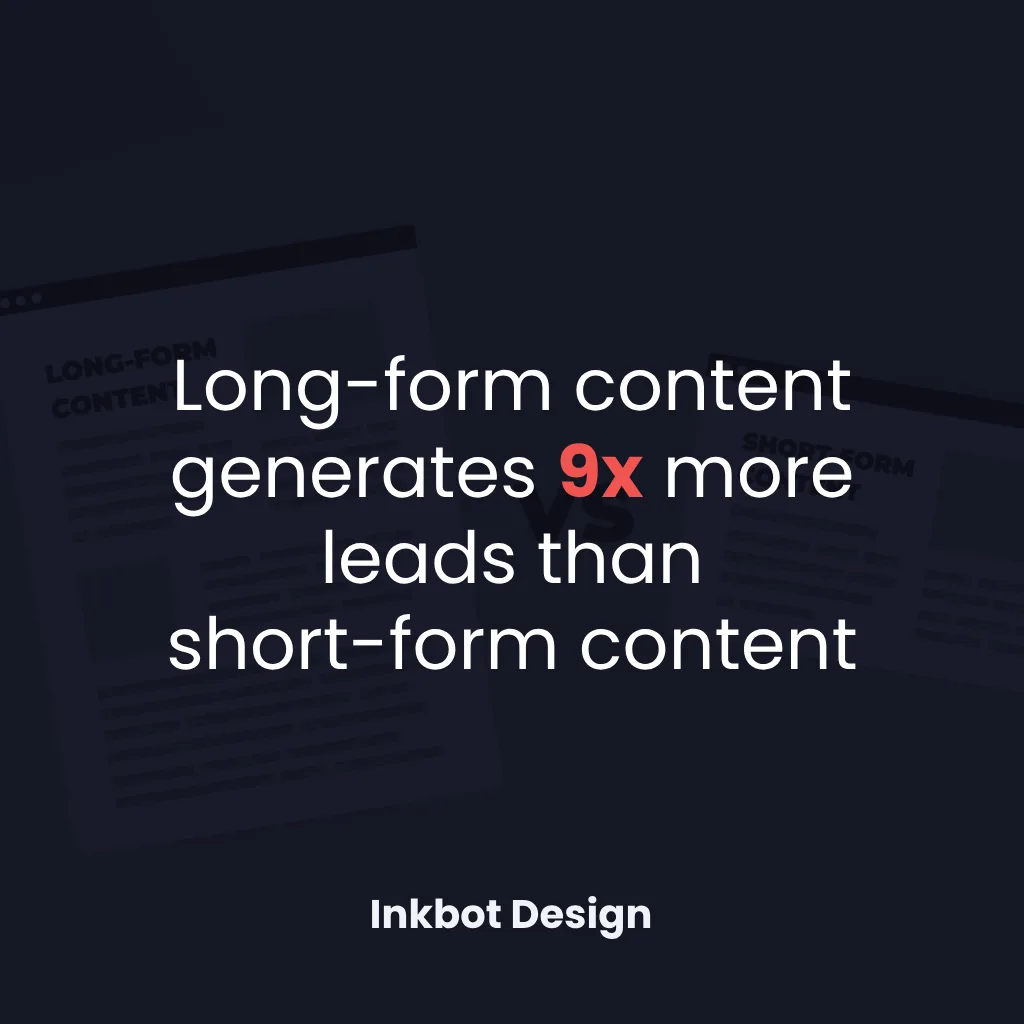
Content is king, they say. But not all content is created equal. You need content that speaks directly to your audience’s needs and nudges them towards action.
The Power of Problem-Solving Content
Your visitors aren’t there for your life story. They’re there because they have a problem and think you might have the solution.
Create content that:
- Addresses specific pain points
- Offers actionable solutions
- Positions your product/service as the ideal fix
🎯 Example: Don’t just list features if you’re selling productivity software. Show how each feature solves a specific problem. “Never miss a deadline again with our integrated calendar alerts.”
The Art of Persuasive Copy
Words matter. A lot. Here’s how to make yours count:
- Use active voice (“We’ll boost your sales”, not “Your sales will be boosted”)
- Keep it scannable (short paragraphs, bullet points)
- Focus on benefits, not features
- Include social proof (testimonials, case studies)
💡 Quick Win: Review your current copy. Is it all about you, or is it addressing your visitor’s needs? If it’s the former, rewrite it. Now.
The Often-Overlooked Content Elements
Don’t forget these crucial pieces:
- Clear, compelling CTAs (Calls to Action)
- An about page that builds trust
- FAQs that address common objections
- A blog that showcases your expertise
Remember, every piece of content should serve a purpose. If it’s not helping to generate leads, it’s just digital clutter.
3. Design for Conversion (Not Just Aesthetics)

I’ve seen too many websites that look like digital works of art but convert about as well as a brick wall. Don’t fall into this trap.
The 3-Second Rule
You’ve got about three seconds to grab a visitor’s attention. Make them count:
- Clear, benefit-driven headline above the fold
- Compelling visuals that support your message
- An obvious next step for the visitor to take
🚀 Pro Tip: Use heat mapping tools to see where visitors are looking and clicking. You might be surprised.
The Mobile-First Imperative
In 2023, 59% of website traffic comes from mobile devices. Ignore this at your peril.
- Design for mobile first, then adapt for desktop
- Ensure fast loading times (aim for under 3 seconds)
- Make buttons and forms easy to use on small screens
I once increased a client’s mobile conversions by 43% by making their contact form mobile-friendly. Small changes, significant results.
The Psychology of Colour and Layout
Colours and layout aren’t just about looking pretty. They can significantly impact conversions:
- Use contrasting colours for CTAs
- Employ white space to guide the eye
- Use directional cues (like arrows or gazing eyes) to point towards essential elements
💡 Quick Win: A/B test different colour schemes for your main CTA button. You might be surprised at the impact.
4. Implement Lead Capture Mechanisms (That Actually Work)

Having a beautiful, well-designed website is excellent. But you leave money on the table if you’re not actively capturing leads.
The Power of Strategic Pop-Ups
I know, I know. Pop-ups can be annoying. But when done right, they work. The key is timing and relevance:
- Exit-intent pop-ups (trigger when someone’s about to leave)
- Scroll-triggered pop-ups (appear after a certain percentage of the page is viewed)
- Time-delayed pop-ups (show after a set amount of time on the page)
🚀 Pro Tip: Offer something of genuine value in your pop-ups. A generic “Subscribe to our newsletter” won’t cut it.
Lead Magnets That Attract
Want more leads? Offer something irresistible:
- eBooks or whitepapers
- Free trials or demos
- Exclusive webinars or video content
- Assessments or quizzes
The key is to make it highly relevant to your target audience and their current needs.
Forms That Don’t Scare People Away
Your forms can make or break your lead generation efforts:
- Keep them short (ask only for essential information)
- Use multi-step forms for longer submissions
- Include progress bars for longer forms
- Make error messages clear and helpful
I increased form submissions by 28% by reducing the number of fields from 7 to 4. Less is often more.
5. Optimise for Search Engines (Without Losing Your Soul)
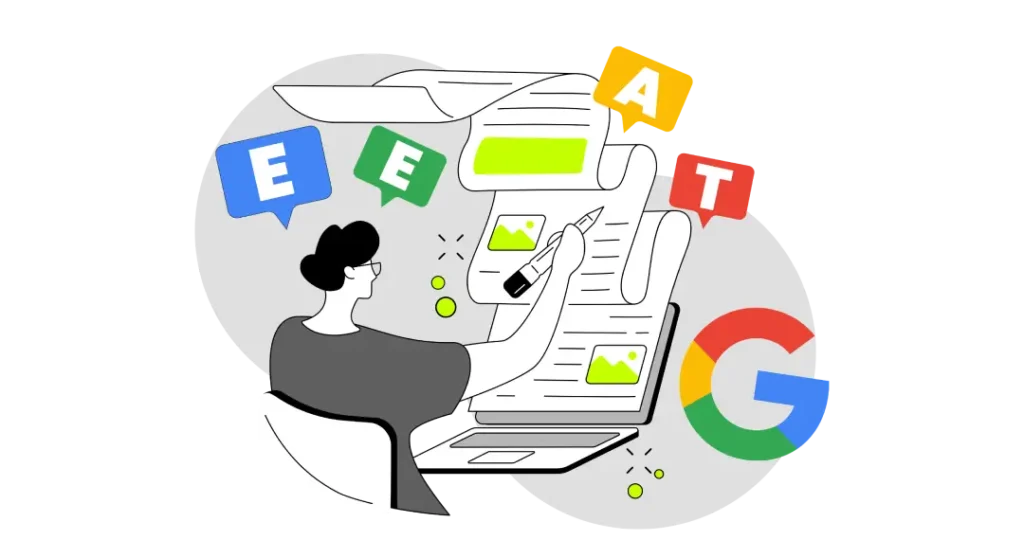
SEO isn’t about gaming the system. It’s about making it easy for your ideal customers to find you.
The Basics You Can’t Ignore
- Keyword research (focus on long-tail keywords)
- On-page optimisation (title tags, meta descriptions, header tags)
- Quality, relevant backlinks
- Fast loading times
- Mobile-friendliness
💡 Quick Win: Install an SEO plugin like Yoast SEO (WordPress) or SEO PowerSuite to guide your optimisation efforts.
Content That Ranks and Converts
It’s not enough to rank. Your content needs to deliver value:
- Create in-depth, authoritative content
- Use internal linking to guide visitors through your site
- Update old content regularly to keep it fresh
Local SEO: The Often-Overlooked Goldmine
If you serve a local market, local SEO is your secret weapon:
- Claim and optimise your Google My Business listing
- Get listed in local directories
- Encourage customer reviews
I’ve seen local businesses double their leads simply by focusing on local SEO for a few months.
6. Leverage Social Proof (Because People Trust People)

Social proof is your best friend in a world where trust is currency.
The Power of Testimonials
Don’t just tell people you’re great. Show them:
- Use video testimonials for maximum impact
- Include specific results or metrics
- Feature testimonials prominently on your site
🚀 Pro Tip: Use schema markup on your testimonials to potentially get rich snippets in search results.
Case Studies That Tell a Story
People love stories. Use case studies to:
- Showcase real-world results
- Demonstrate your problem-solving process
- Address common objections indirectly
Trust Signals That Matter
Build trust through:
- Industry certifications or awards
- Partnerships with known brands
- Security badges (essential for e-commerce)
Remember, trust isn’t given; it’s earned. Use these elements strategically to build credibility.
7. Implement Analytics (And Use Them)

If you’re not measuring, you’re guessing. And guessing is expensive.
The Metrics That Actually Matter
Don’t get lost in vanity metrics. Focus on:
- Conversion rate
- Bounce rate
- Time on page
- Traffic sources
- User flow through your site
💡 Quick Win: Set up Google Analytics goals to track specific actions (like form submissions or eBook downloads).
The Power of A/B Testing
Never assume. Always test:
- Headlines
- CTAs
- Form layouts
- Landing page designs
I once increased conversions by 37% by changing a word in a headline. Small changes can have significant impacts.
Continuous Improvement
Your website is never “done.” Treat it as a constant work in progress:
- Regularly review your analytics
- Identify underperforming pages
- Test new ideas constantly
Remember, what works today might not work tomorrow. Stay agile.
8. Nurture Your Leads (Don’t Just Collect Them)
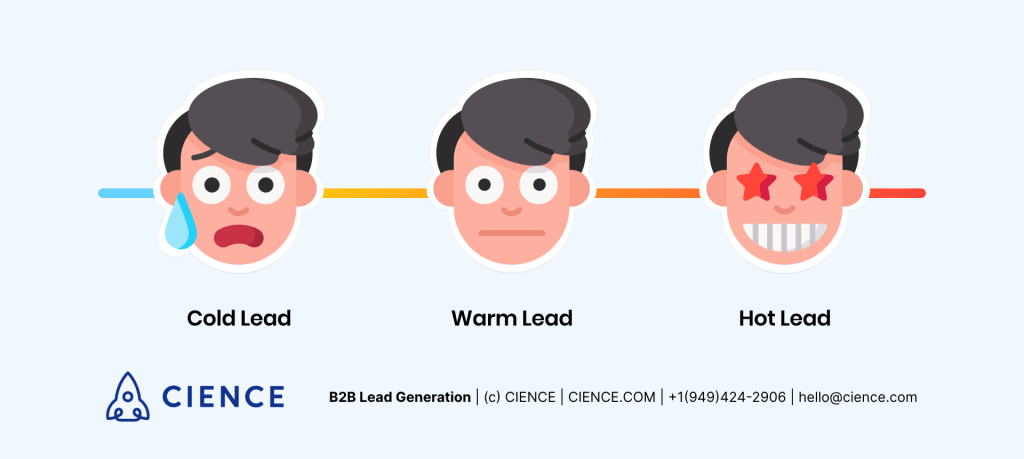
Generating leads is only half the battle. You need to nurture them into customers.
The Power of Email Marketing
Email isn’t dead. Far from it:
- Set up automated welcome sequences
- Segment your list based on behaviour or preferences
- Provide value, not just sales pitches
🚀 Pro Tip: Use behavioural triggers to send highly relevant emails based on user actions on your site.
Retargeting: Bring Them Back
Only some people convert on the first visit. Use retargeting to:
- Stay top-of-mind
- Offer special incentives to return
- Showcase different aspects of your offering
The Often-Overlooked Follow-Up
Don’t let leads go cold:
- Set up automated follow-up sequences
- Use a CRM to track interactions
- Personalise your outreach based on user behaviour
Remember, the fortune is in the follow-up. Pay attention to this crucial step.
Conclusion: Your Website, Your Lead-Generating Machine
Creating a website that generates leads isn’t about fancy design or clever tricks. It’s about understanding your audience, providing value, and guiding visitors towards taking action.
Remember:
- Know your audience inside and out
- Create content that solves problems
- Design for conversion, not just aesthetics
- Implement effective lead capture mechanisms
- Optimise for search engines (ethically)
- Leverage social proof to build trust
- Use analytics to improve continuously
- Nurture your leads into customers
Take one idea from this post and implement it on your website today. Don’t wait for perfection. Start now, iterate later.
Your future leads (and your bank account) will thank you.
FAQs
How long does it take to see results from these strategies?
It varies, but typically, you can start seeing improvements in 3-6 months. Significant results often take 6-12 months.
Do I need to hire a professional web designer?
Not necessarily. Many platforms offer user-friendly templates. Focus on content and conversion strategies first.
How much should I budget for a lead-generating website?
It depends on your needs. You can start with as little as £500-£1000 using DIY platforms or invest £5000+ for a custom solution.
Is SEO still relevant in 2025?
Absolutely. While tactics evolve, SEO remains crucial for organic visibility and lead generation.
How often should I update my website?
Regularly. Aim for at least monthly content updates and quarterly reviews of your overall strategy.
What’s the most essential element of a lead-generating website?
Clear, compelling calls-to-action (CTAs) that guide visitors towards conversion.
Can I generate leads without paid advertising?
Yes, through SEO, content marketing, and social media. However, paid ads can accelerate results.
How many form fields should I use on my lead capture forms?
Generally, fewer is better. Start with 3-5 essential fields and test from there.
Is it worth investing in a chatbot for lead generation?
It can be, especially for businesses with high-volume, repetitive inquiries. Test it against other methods.
How do I measure the ROI of my website?
Track conversions, assign value to leads, and compare against your investment in the site. Use analytics tools to gather data.