25 Famous Personal Brands (And What You Can Steal)
The term “personal brand” has been overused. It’s been hijacked by “gurus” selling 10-step courses from a rented Lamborghini.
Most entrepreneurs I talk to think a personal brand just means posting selfies on LinkedIn and talking about “the grind.” That’s not a brand. That’s noise.
A brand is a system. It’s a deliberate, calculated asset that builds equity, communicates value, and makes you instantly recognisable.
Before we dig into the examples, let’s clear the air.
As a brand consultant, nothing grinds my gears more than seeing these mistakes:
- The “Hustle” Mirage: Building a personal brand based only on telling other people how to build a personal brand. It’s a hollow feedback loop.
- Visual Chaos: Using a crisp, professional logo on your website but a blurry, 10-year-old holiday snap on Twitter. It screams amateur.
- “Authenticity” as an Excuse: Using “I’m just being authentic” as a cover for having no strategy, no filter, and no professional visual identity. Authenticity is curated, not chaotic.
- Confusing Followers with a Brand: Do You Have 100,000 Followers? Brilliant. You have an audience. You don’t necessarily have a brand. A brand has equity, values, and a clear promise.
A real personal brand is the deliberate system that dictates how the world perceives you. It’s the difference between being ‘online’ and having a personal branding strategy.
We’re not here to idolise these 25 people. We’re here to dissect their brand strategy like a designer, figure out why it works, and find practical, tactical lessons you can apply to your own business brand.
- Personal brands are deliberate systems, not random posts; define your why, audience, and consistent promise.
- Relentless visual and verbal consistency builds equity; own a colour, look, logo, or uniform and repeat it everywhere.
- Strategic evolution beats chaos; rebrand in chapters with clear visual signalling and a narrative bridge for your audience.
25 Famous Personal Brands from Celebrities & Founders
I’ve grouped these into five logical categories to see the patterns.
Group 1: The Design & Creative Icons
These are the masters. They built their personal brands on the very practice of building brands.
1. Stefan Sagmeister

Net Worth Estimate (2026): £12–15 Million (Estimated via high-value art sales and global speaking fees).
Key Achievement: Two-time Grammy Award winner for album packaging; pioneer of the “Sabbatical” business model to fuel creative reinvention.
- Who: A rockstar of the design world, famous for his provocative work, album covers, and the “Happy Show.”
- The Brand Promise: Design should evoke a feeling. It should be provocative, human, and sometimes uncomfortable.
- Visual/Verbal Identity: His work is his brand. Think raw typography, handwritten manifestos, and even carving text into his own skin. His verbal identity is philosophical, deeply personal, and brutally honest.
- The Takeaway: Don’t be afraid to make your brand physical and provocative. Your point of view is your most valuable asset.
2. Paula Scher
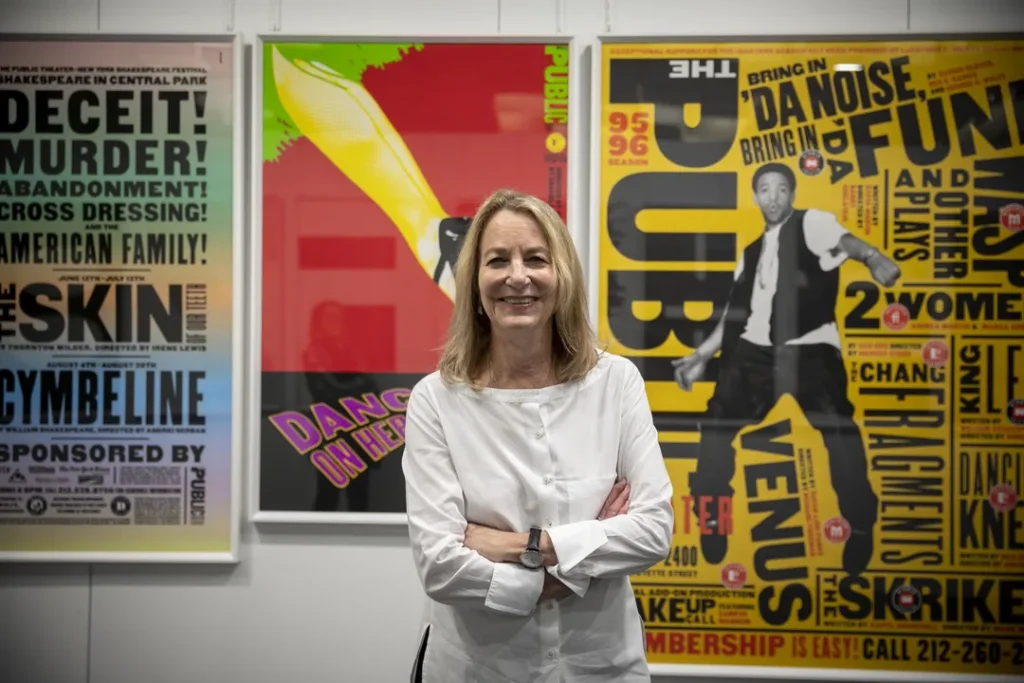
Net Worth Estimate (2026): £15–20 Million (Reflecting seniority as a Partner at Pentagram and global licensing).
Key Achievement: Creator of the “New Logo” for Citibank (sketched on a napkin for $1.5m) and the foundational identity for The Public Theater.
- Who: A partner at the legendary design firm Pentagram and creator of identities for clients like Citibank, Tiffany & Co., and The Public Theater.
- The Brand Promise: Bold, smart, and iconic simplicity. She cuts through the noise.
- Visual/Verbal Identity: Her personal brand is synonymous with her style, characterised by massive, expressive typography that serves as the entire visual system. Her voice is direct, no-nonsense, and authoritative.
- The Takeaway: Own a visual style. When people see bold, environmental typography, they think of her. That is brand equity.
3. Chip Kidd

Net Worth Estimate (2026): £8–10 Million.
Key Achievement: Designer of the Jurassic Park T. rex logo, one of the most recognisable brand marks in cinematic history.
- Who: The designer who made book covers an art form, most famously for Jurassic Park.
- The Brand Promise: The cover is the story. He promises a visual translation of the text within.
- Visual/Verbal Identity: His brand is context-driven. Unlike others, his style is not to have one. His visual identity is his “solution” for the brief. His verbal identity is witty, fast-paced, and obsessive about pop culture.
- The Takeaway: Your personal brand can be one of “the perfect solution.” You are the ultimate problem-solver, and your adaptability is the brand.
4. Chris Do
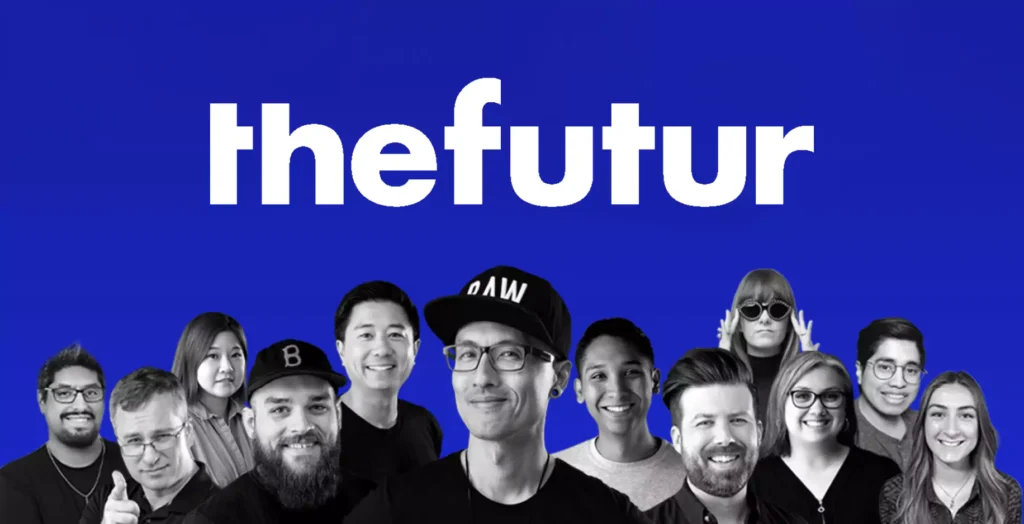
Net Worth (2026 Projection): £85 Million (Driven by the exponential growth of The Futur education platform).
Key Achievement: Winning an Emmy Award for motion design; transitioning from a service agency to a global education powerhouse.
- Who: Founder of The Futur, an education platform for designers.
- The Brand Promise: I will teach you the business of design, clearly and generously.
- Visual/Verbal Identity: Minimalist, clean, and systematic. His brand utilises stark black and white, sans-serif fonts (such as Neue Haas Grotesk), and a grid-based layout. His voice is that of a patient, socratic teacher.
- The Takeaway: A personal brand built on generosity and clarity is magnetic. He gives away 99% of his knowledge, which makes the 1% he sells incredibly valuable.
5. Jessica Hische

Net Worth Estimate (2026): £5–7 Million.
Key Achievement: Defining the “Lettering” revival of the 2010s; commissioned for the Wes Anderson film Moonrise Kingdom.
- Who: An illustrator and lettering artist known for her elegant, whimsical style.
- The Brand Promise: Beautiful, bespoke lettering that adds “a little bit of sparkle” to everything.
- Visual/Verbal Identity: Her work is her brand. Elegant, flowing scripts, meticulous detail, and a touch of vintage warmth. Her verbal identity is helpful, transparent (she shares her process), and encouraging.
- The Takeaway: When your craft is strong enough, it becomes your logo, your voice, and the foundation of your entire brand strategy.
Group 2: The Visionary Magnates
For these individuals, their personal brand is inextricably linked with the monster corporate brands they built.
6. Elon Musk
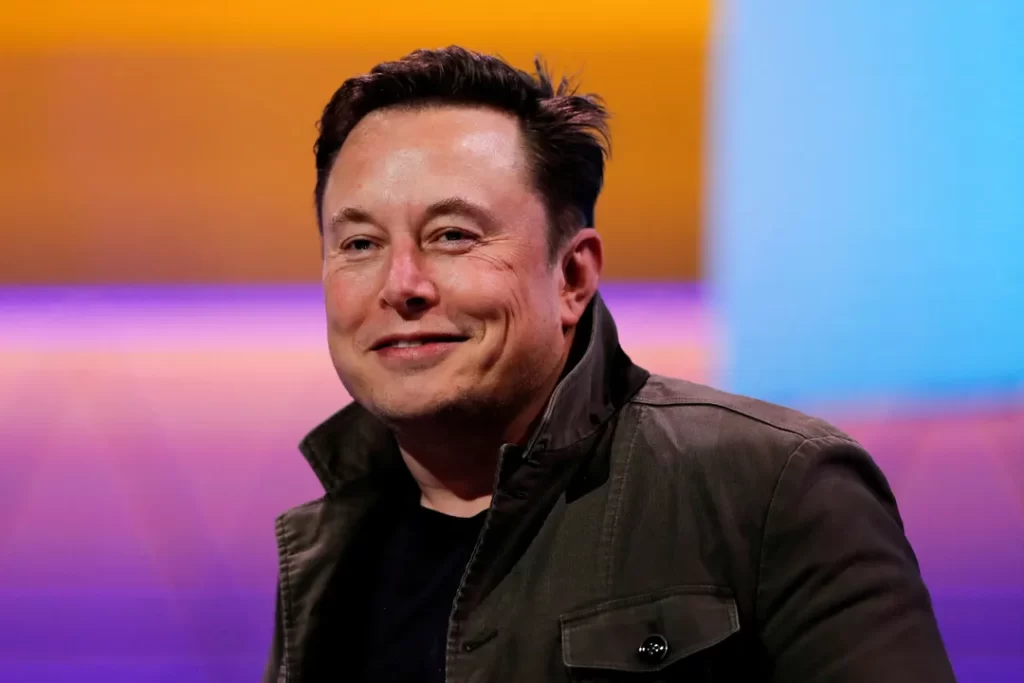
Net Worth (2026): £565 Billion ($717.9B USD – World’s Richest Person).
Key Achievement: Successfully landing and reusing orbital-class rockets via SpaceX and leading the global transition to EVs with Tesla.
- Who: CEO of Tesla, SpaceX, and X (formerly Twitter).
- The Brand Promise: To secure the future of humanity through radical technology and sheer force of will.
- Visual/Verbal Identity: His visual brand extends his companies: stark, industrial, minimalist, and futuristic (Tesla’s ‘T’, SpaceX’s ‘X’). His verbal identity, however, is the opposite: unfiltered, chaotic, and “meme-lord” provocative. This clash is the brand.
- The Takeaway: A brand can be built on a high-stakes, polarising mission. The tension between his “saviour”-like corporate visuals and his chaotic online voice keeps the world watching.
7. Steve Jobs

Posthumous Brand Value (2026): £5.5 Billion (Estate valuation via Disney and Apple holdings).
Key Achievement: Architect of the iPhone, iPod, and Macintosh, effectively creating the modern smartphone industry.
- Who: Co-founder of Apple. The archetype of the modern personal brand.
- The Brand Promise: Simplicity is the ultimate sophistication. Think Different.
- Visual/Verbal Identity: The uniform. Black mock turtleneck, blue jeans, New Balance trainers. It was a deliberate system to remove choice and become an icon. His verbal identity was masterful, characterised by simple language, dramatic pauses, and the famous “one more thing.”
- The Takeaway: Consistency is the most powerful tool in branding. His unchanging “look” made him as recognisable as the Apple logo itself.
8. Richard Branson

Net Worth (2026): £2.2 Billion ($2.8B USD).
Key Achievement: Founding the Virgin Group, a conglomerate of 400+ companies, and successfully flying to the edge of space via Virgin Galactic.
- Who: Founder of the Virgin Group.
- The Brand Promise: Business should be an adventure. Let’s have fun and disrupt stale industries.
- Visual/Verbal Identity: The adventurer. The kite-surfing, the stunts, the smile. His personal brand is the Virgin brand: energetic, rebellious, and bright red. His voice is that of the charming, risk-taking underdog.
- The Takeaway: You can personify your corporate brand. Branson’s personal brand gives Virgin (a massive conglomerate) the personality of a nimble, exciting challenger.
9. Oprah Winfrey
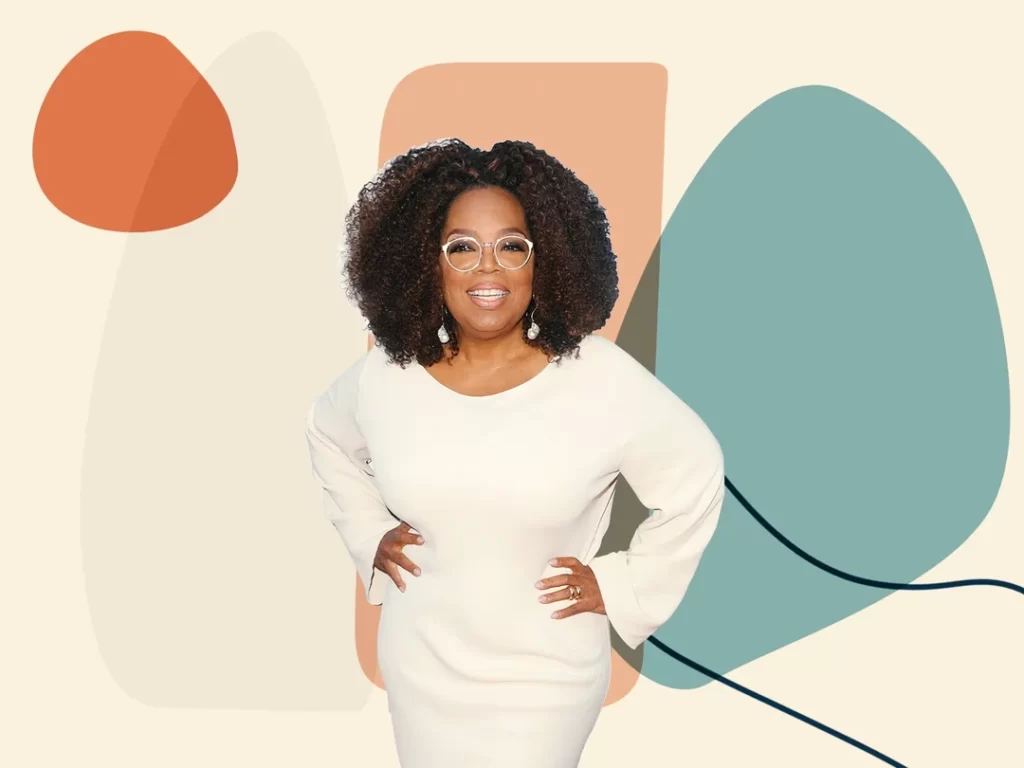
Net Worth (2026): £2.5 Billion ($3.2B USD).
Key Achievement: First Black female billionaire; architect of the “Ownership Model” in media through Harpo Productions.
- Who: Media mogul, talk show host, producer.
- The Brand Promise: You can live your best life. I provide the tools for empathy, connection, and self-improvement.
- Visual/Verbal Identity: Trust. The “O” (from her magazine and network) is a perfect brand mark—a halo, a hug, a stamp of approval. Her visual system is warm, clean, and aspirational. Her voice is the gold standard of empathy and authority.
- The Takeaway: A personal brand can be a “seal of quality.” The “Oprah effect” (her endorsement) can build entire industries because her brand equity is built on decades of trust and credibility.
10. Sara Blakely
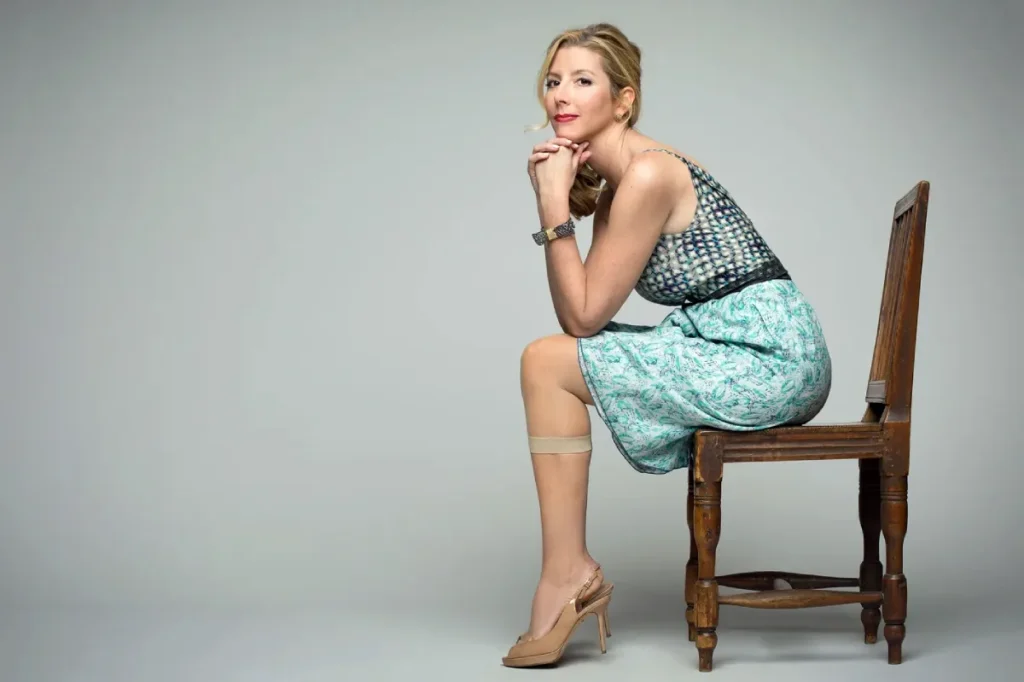
Net Worth (2026): £800 Million ($1B USD).
Key Achievement: Inventing Spanx with $5,000 in savings and maintaining 100% ownership until a Blackstone majority sale in 2021.
- Who: Founder of Spanx.
- The Brand Promise: I’m a regular person who solved a regular problem, and you can too.
- Visual/Verbal Identity: Relatable authenticity. Her social media is a mix of billionaire-level success and pancake-making fails. This is strategic. It counters the “perfect” image of Spanx (which is bright red, bold, and confident) and makes her, the founder, human.
- The Takeaway: Use approachability as a strategic tool. By being “un-corporate,” she builds a powerful connection that polished brands can’t replicate.
Group 3: The Content & Media Mavericks
For this group, their personal brand is the product. Their name is the title on the digital door.
11. Joe Rogan
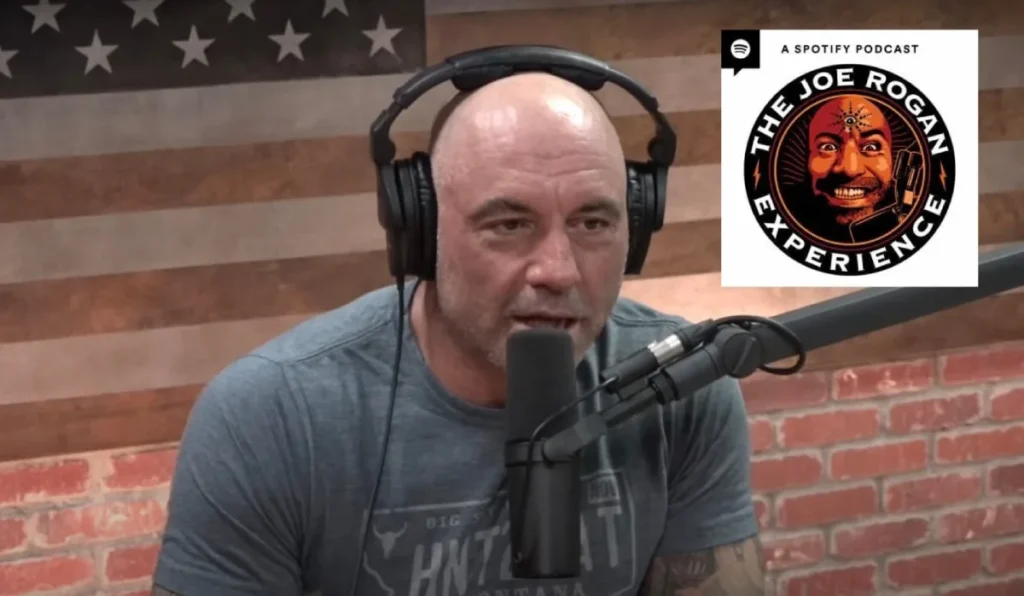
Net Worth (2026): £160 Million ($200M+ USD).
Key Achievement: Negotiating a landmark Spotify exclusivity deal that redefined the economic value of the Podcast medium.
- Who: Podcaster, comedian, and UFC commentator.
- The Brand Promise: I will have honest, long-form, unfiltered conversations with anyone.
- Visual/Verbal Identity: A deliberately “un-branded” brand. The visuals of The Joe Rogan Experience are gritty, vaguely psychedelic, and reminiscent of a ’90s rock poster. This lack of corporate polish is the entire point. His voice is curious, challenging, and a proxy for the “common man.”
- The Takeaway: Sometimes, the strongest visual identity is one that rejects “slick” design. The raw aesthetic signals to his audience that the content is also raw and unfiltered.
12. Tim Ferriss
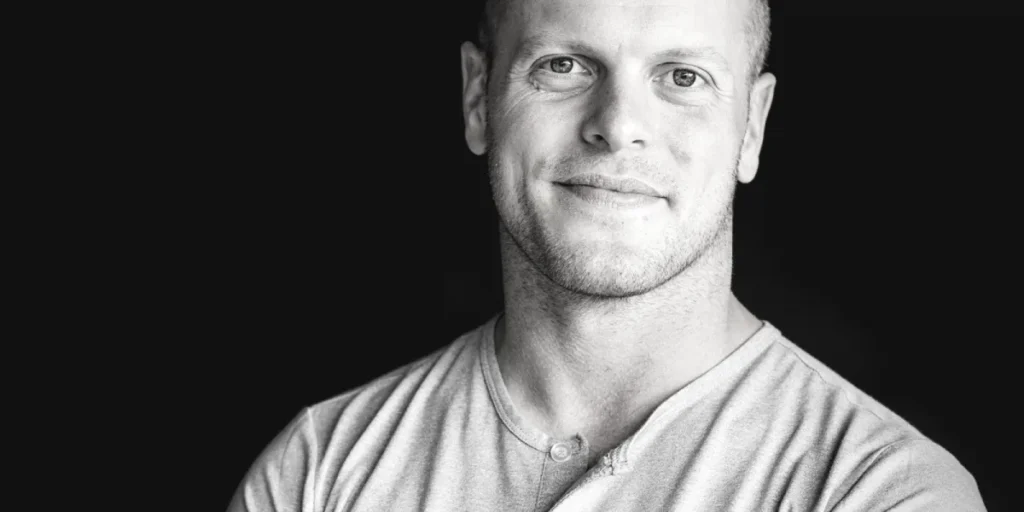
Net Worth Estimate (2026): £80 Million.
Key Achievement: Author of The 4-Hour Workweek; pioneer of the “Human Guinea Pig” brand of lifestyle engineering.
- Who: Author of The 4-Hour Workweek and podcast host.
- The Brand Promise: Deconstruct world-class performers to find the tools and tactics you can use for self-optimisation.
- Visual/Verbal Identity: Efficiency and systems. His brand (website, book covers) is clean, data-driven, and often uses blue and white (colours of “intellect” and “clarity”). His voice is that of a meticulous “human guinea pig,” obsessed with “the 80/20” of any skill.
- The Takeaway: Your brand can be a process. Ferriss’s brand isn’t just “Tim”; it’s his method of deconstruction.
13. Gary Vaynerchuk (GaryVee)
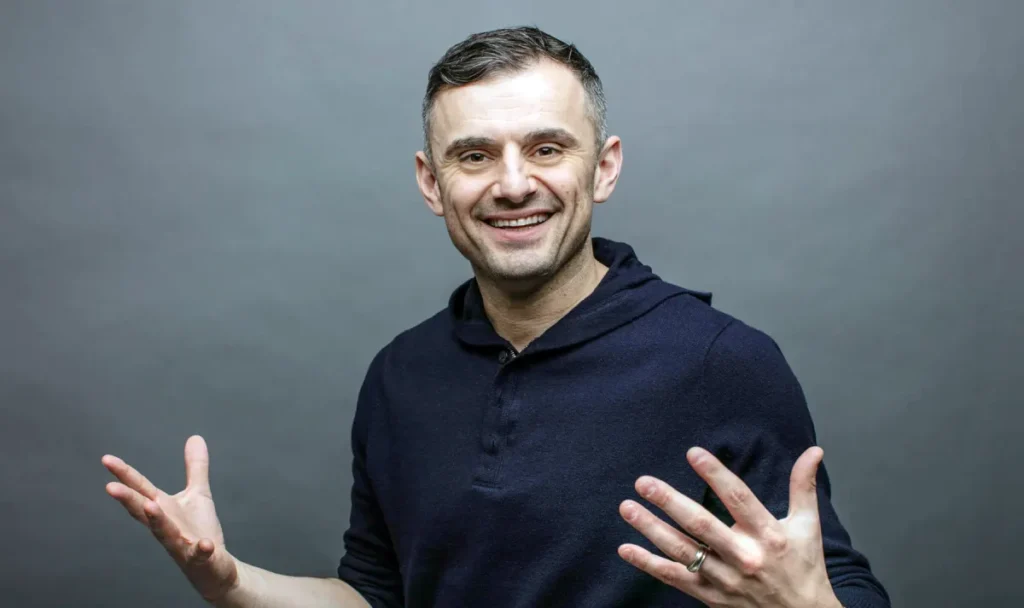
Net Worth (2026): £175 Million ($220M USD).
Key Achievement: Scaling Wine Library from $3m to $60m; founding VaynerMedia, a global digital agency powerhouse.
- Who: CEO of VaynerMedia, investor, and social media personality.
- The Brand Promise: Stop complaining and work. Marketing is about speed, volume, and “day trading” attention.
- Visual/Verbal Identity: Aggressive energy. His visuals are high-contrast, raw, and often feature him mid-shout. He uses bold, condensed, all-caps fonts. His verbal identity is a torrent of profanity-laced motivation and tactical social media advice.
- The Takeaway: A polarising brand is a strong brand. He doesn’t care about the people he repels; he’s laser-focused on activating the ones who share his “hustle” worldview.
14. Marie Kondo
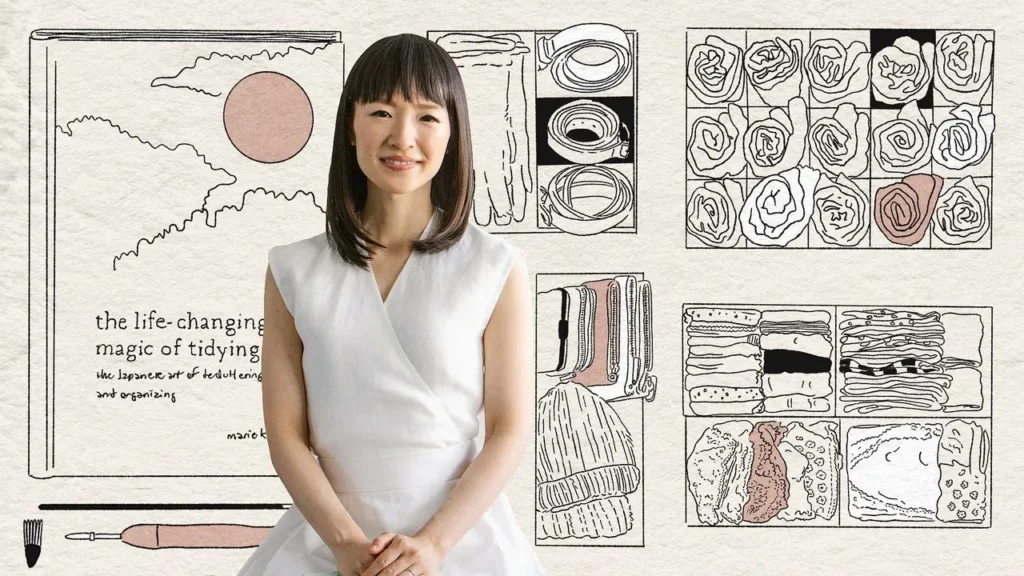
Net Worth (2026): £6.3 Million ($8M USD).
Key Achievement: Selling 11 million copies of The Life-Changing Magic of Tidying Up; creating the KonMari method.
- Who: Tidying expert and author.
- The Brand Promise: Find peace and joy by simplifying your home and life.
- Visual/Verbal Identity: Serenity. Her brand (KonMari) is built on a soft, pastel colour palette, clean sans-serif fonts, and minimalist photography. Her voice is gentle, respectful, and almost spiritual.
- The Takeaway: You can build a global brand by owning a single concept. She took “tidying up” and branded it as a philosophy. The visual identity perfectly reflects the “joy” and “calm” she promises.
15. Brené Brown
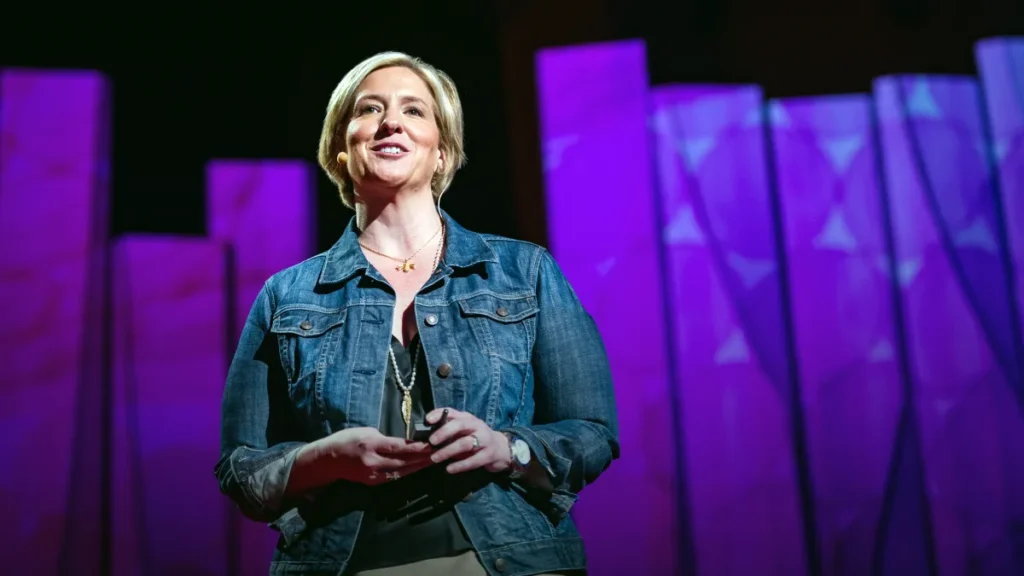
Net Worth Estimate (2026): £30–40 Million.
Key Achievement: Her TED Talk “The Power of Vulnerability” is one of the most viewed in history (60m+ views); leading the global dialogue on courage and shame.
- Who: Researcher, author, and speaker on vulnerability and shame.
- The Brand Promise: Courage comes from being vulnerable. Your “messy” parts are your strength.
- Visual/Verbal Identity: Academic-yet-warm. Her brand masterfully balances her “Research Professor” credibility with “best friend” approachability. Her book covers and website often use handwritten or script fonts to humanise the hard data she presents.
- The Takeaway: Your visual identity can bridge a gap. She uses design to make complex, academic research feel personal and accessible.
Group 4: The Pop Culture Architects
These are individuals who demonstrate that a personal brand can be manufactured, iterated, and scaled like any other product.
16. David Bowie

Posthumous Brand Value (2026): £180 Million ($230M USD).
Key Achievement: Inducted into the Rock and Roll Hall of Fame; pioneering the “Bowie Bonds” (financial securitisation of music royalties).
- Who: Musician and cultural icon.
- The Brand Promise: Constant reinvention. I am the future.
- Visual/Verbal Identity: The Chameleon. Ziggy Stardust, the Thin White Duke. His brand was the change. Each “era” had a complete visual identity: costumes, hair, typography, and album art.
- The Takeaway: Your brand doesn’t have to be static. You can build a brand on the expectation of change. It’s difficult, but it makes you perpetually newsworthy.
17. Taylor Swift

Net Worth (2026): £1.3 Billion ($1.6B USD).
Key Achievement: First billionaire artist to reach the milestone through music and touring alone (The Eras Tour).
- Who: Musician and global phenomenon.
- The Brand Promise: I am the storyteller of my own life (and yours).
- Visual/Verbal Identity: The “Era.” She is the modern master of the Bowie model. Reputation was snakes, black and white, and gothic fonts. Lover was pastel clouds and script. Folklore was sepia-toned, rustic, and serif. Each album is a complete branding package.
- The Takeaway: You can “rebrand” in chapters. This allows you to evolve with your audience while bringing them into the story of your evolution.
The “Eras” Framework: How to Pivot Without Losing Your Audience
Taylor Swift has mastered the most difficult part of branding: the pivot. Most entrepreneurs are terrified that changing their niche will destroy their business. The Swiftian model suggests you shouldn’t just “change”—you should “rebrand in chapters.”
- Define the Era: Give your new direction a distinct visual and verbal identity. If you are moving from “Consultant” to “SaaS Founder,” don’t just update your bio; change your colour palette and key messaging.
- The Narrative Bridge: Explain why the evolution is happening. Use the Narrative Arc framework to show how your past experience led to this new “Era.”
- Visual Signalling: Use distinct visual cues. Just as Folklore used sepia tones, your new era should be instantly recognisable to your audience through consistent use of Typography and Photography Style.
18. Rihanna (Fenty)

Net Worth (2026): £1.1 Billion ($1.4B USD).
Key Achievement: Disrupting the beauty industry with Fenty Beauty’s inclusive 40-shade foundation launch.
- Who: Musician and founder of Fenty Beauty & Savage X Fenty.
- The Brand Promise: Beauty and style are for everyone.
- Visual/Verbal Identity: Inclusive disruption. The Fenty brand (clean, sharp, minimalist) is the platform for the product: “40 shades of foundation.” Her personal brand (effortlessly cool, unapologetic) gives the corporate brand its “permission” to be so bold.
- The Takeaway: Use your personal brand as the ‘why’ for your corporate brand’s ‘what’. Rihanna’s personal reputation for “not caring” is what made her the perfect person to disrupt an industry that “cared too much” about a very narrow standard.
19. Kim Kardashian
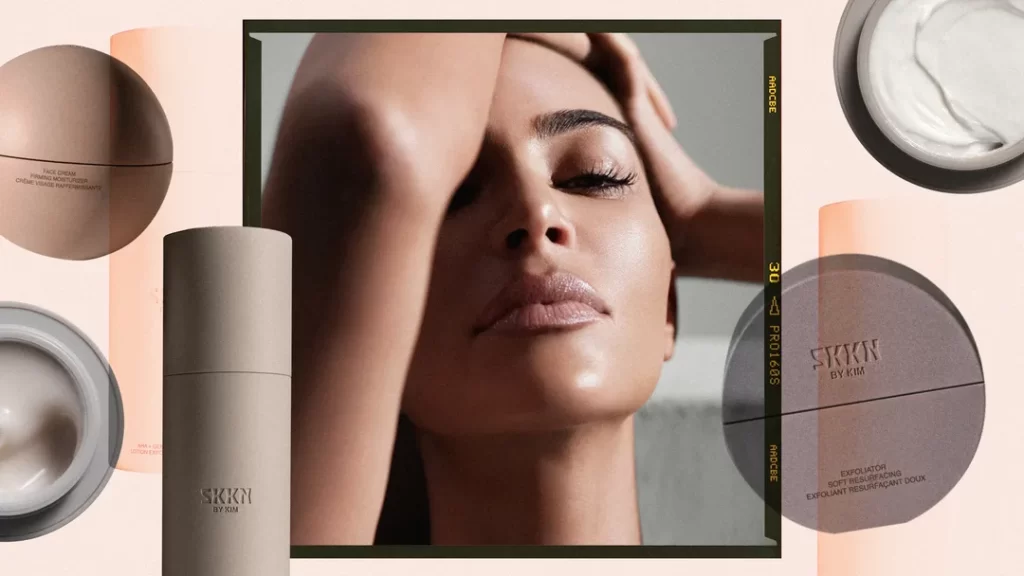
Net Worth (2026): £1.5 Billion ($1.89B USD).
Key Achievement: Building SKIMS into a $4 billion valuation; successfully pivoting from reality TV star to serious entrepreneur.
- Who: Media personality and founder of SKIMS.
- The Brand Promise: Aspirational ubiquity.
- Visual/Verbal Identity: Curated minimalism. Look at the SKIMS brand: a neutral, muted colour palette (greige, clay, ochre), clean fonts, and a focus on form. This minimalist visual strategy is genius: it makes the product (and her famous form) the one and only focus.
- The Takeaway: A neutral visual identity can be a power move. By stripping away loud colours and graphics, her brand forces you to focus on the one thing she is selling: the silhouette.
20. Kanye West (Yeezy)
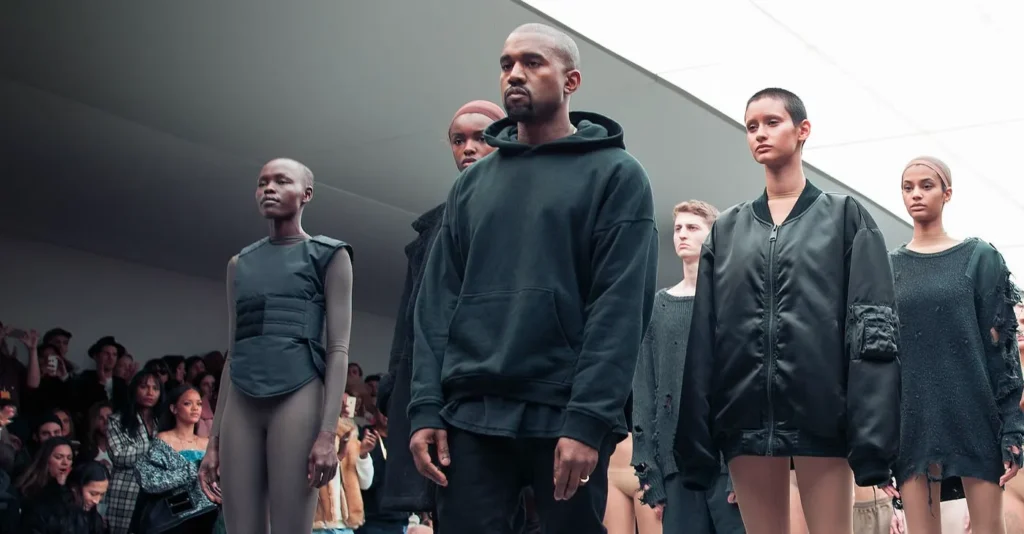
Net Worth (2026): £315 Million (Disputed; Forbes estimate).
Key Achievement: Redefining luxury streetwear through the Yeezy brand and owning 100% of his trademark.
- Who: Musician and designer.
- The Brand Promise: I am the disruptive artist.
- Visual/Verbal Identity: Brutalist and monochrome. The Yeezy brand embodies “less is more.” Muted earth tones, distressed fabrics, no visible logos (or a simple, stark font). It’s an “anti-design” aesthetic that makes it instantly recognisable as a Yeezy product.
- The Takeaway: A strong brand can be built on rejection. By rejecting bright colours, complex graphics, and traditional luxury, he created a new category of luxury defined by scarcity and a stark, artistic perspective.
Group 5: The Niche Experts & Thought Leaders
These brands are built by owning a single, powerful idea and never letting it go.
21. Simon Sinek
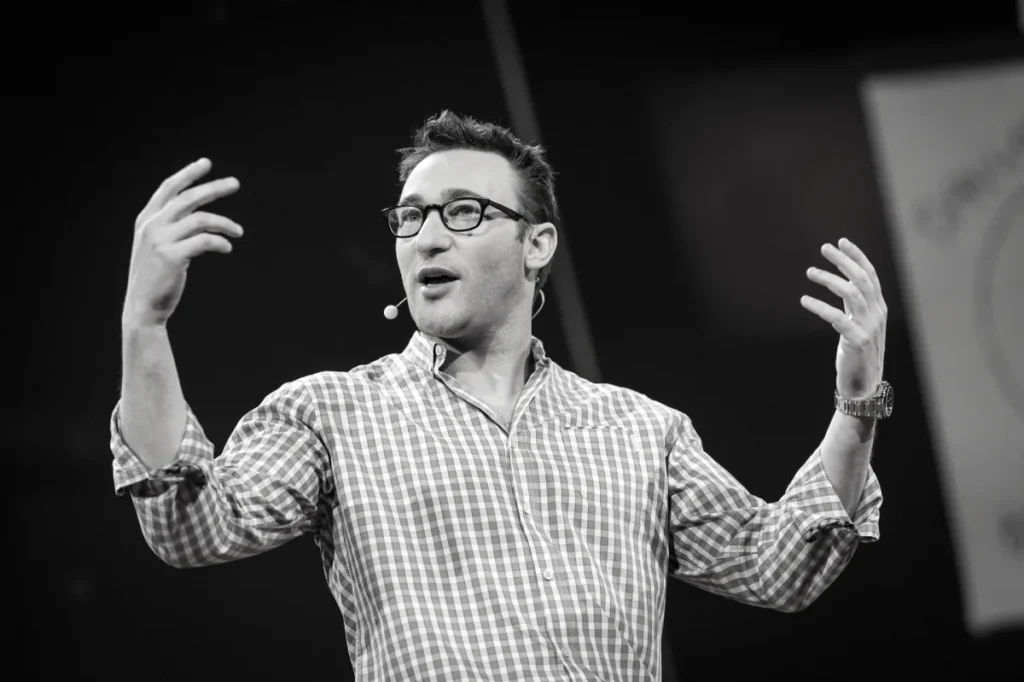
Net Worth (2026): £16 Million ($20M USD).
Key Achievement: Author of Start With Why; creating the “Golden Circle” framework used by Fortune 500 companies.
- Who: Author and speaker famous for “Start With Why.”
- The Brand Promise: I can help you find your purpose (your “Why”).
- Visual/Verbal Identity: The simple diagram. His entire brand is built on a single, powerful visual: the Golden Circle (Why, How, What). His visuals are always simple, diagrammatic, and appear to have been drawn on a whiteboard. His voice is that of a calm, insightful philosopher.
- The Takeaway: Find one “ownable” idea and create a simple visual for it. Sinek is the Golden Circle. That’s branding.
22. Neil Patel
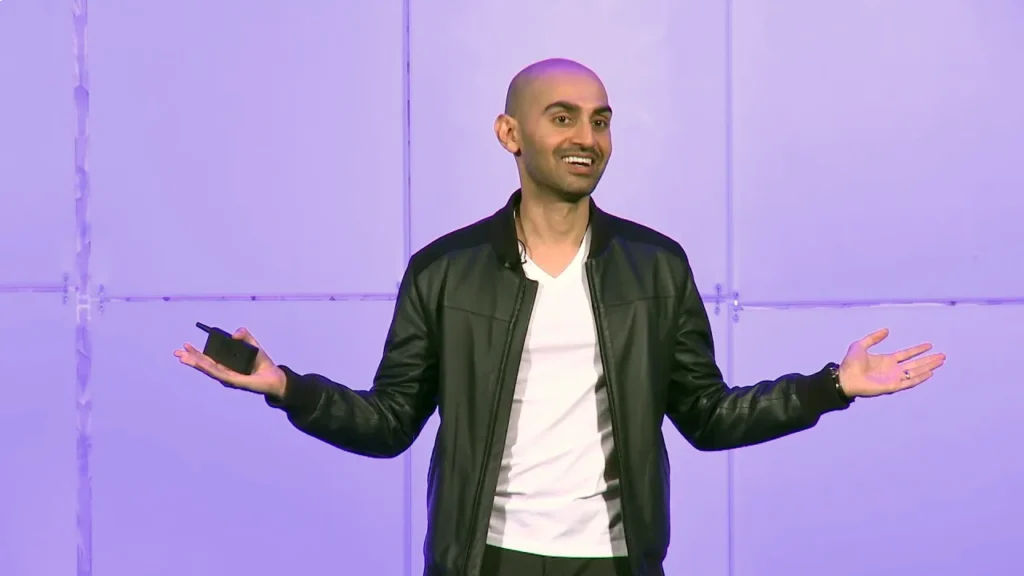
Net Worth Estimate (2026): £40 Million.
Key Achievement: Co-founding NP Digital; named a top 100 entrepreneur under 30 by Barack Obama.
- Who: Digital marketer and SEO expert.
- The Brand Promise: I will provide you with practical, free marketing advice to help grow your online presence and increase traffic.
- Visual/Verbal Identity: Omnipresence and Orange. His brand is everywhere. His blog, YouTube thumbnails, and ads all use the same bright, unmistakable orange. He wears an orange shirt in his videos. This colour-blocking makes him impossible to miss in a crowded feed.
- The Takeaway: Own a colour. In the digital marketing world, “orange” means “Neil Patel.” It’s a simple, ruthlessly effective visual strategy.
23. Seth Godin
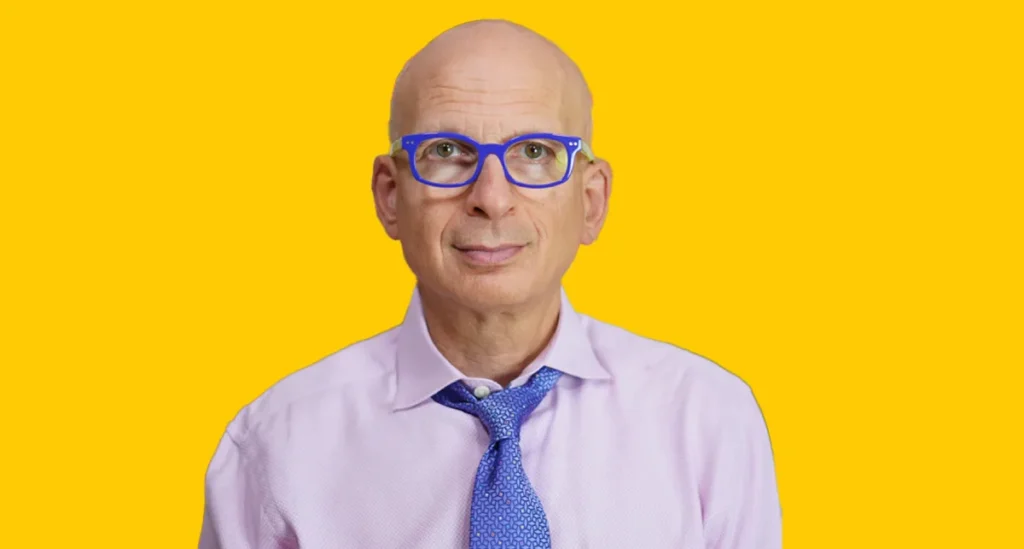
Net Worth (2026): £40 Million ($50M USD).
Key Achievement: Selling Yoyodyne to Yahoo! for $30m; publishing a daily blog for 20+ years without fail.
- Who: Author, blogger, and marketing philosopher.
- The Brand Promise: I will make you think differently about marketing, work, and ideas.
- The Brand Identity: The prolific philosopher. His brand is his ideas. His visual cues are simple yet iconic: the bald head, mismatched socks, and plain book covers. His real brand is the daily, concise, profound blog post.
- The Takeaway: Relentless consistency builds a brand. His brand is built on the habit of showing up, every single day, with a new idea. The visual “quirks” just make him memorable.
24. Martha Stewart

Net Worth (2026): £5 Million (Reflecting post-Sequential Brands Group holdings).
Key Achievement: Creating the first multi-channel lifestyle empire under Martha Stewart Living Omnimedia.
- Who: Media mogul and lifestyle expert.
- The Brand Promise: Aspirational perfection, curated for you.
- The Brand Identity: Curated elegance. Her brand is built on a clean, classic, and slightly traditional visual system. Think of beautiful serif fonts, soft lighting, and perfectly styled food. Her voice is that of the ultimate, slightly stern, “tastemaker.”
- The Takeaway: Your brand can be the “gold standard.” She built an empire by being the final word on “good taste,” and her visual identity reflects that authority.
25. Jamie Oliver

Net Worth (2026): £160 Million ($200M USD).
Key Achievement: The Naked Chef series; campaigning for the UK Sugar Tax and healthier school meals.
- Who: Chef, restaurateur, and food activist.
- The Brand Promise: Good food should be accessible, easy to enjoy, and fun for everyone.
- The Brand Identity: The “Naked Chef.” His brand is built on being anti-Martha. It’s rustic, messy, and “rough-and-ready.” His visual identity uses handwritten fonts, casual photography, and a “thrown-together” look that implies ease.
- The Takeaway: Define your brand by what you are not. By positioning himself as the accessible, “cheeky” alternative to stuffy chefs, he carved out a massive, loyal audience.
The Personal Brand Identity Matrix
To make this practical, I’ve broken these 25 brands down. A brand identity is a combination of what you are (your archetype) and how you present yourself (your visual style).
Here’s a quick overview of the brands we’ve looked at.
| Name | Primary Archetype | Core Visual Style | The 10-Second Takeaway |
| Stefan Sagmeister | The Provocateur | Experimental & Raw | Your brand can be built on challenging norms. |
| Paula Scher | The Iconoclast | Bold & Typographic | Own a style so completely it becomes synonymous with you. |
| Chip Kidd | The Storyteller | Context-Driven | The brand serves the story, not the other way around. |
| Chris Do | The Educator | Minimalist & Clean | Brand is a clear, generous educational resource. |
| Jessica Hische | The Artisan | Elegant & Illustrative | Your skill can be your primary visual identifier. |
| Elon Musk | The Visionary (Rebel) | Stark & Industrial | A brand can be equal parts vision and chaos. |
| Steve Jobs | The Visionary (Sage) | Absolute Minimalism | The power of a relentless, unchanging uniform. |
| Richard Branson | The Adventurer | Bold & Energetic (Red) | Your personal brand and business brand can be one and the same. |
| Oprah Winfrey | The Nurturer (Sage) | Warm & Trusting | Use your identity to build a powerful community (The “O”). |
| Sara Blakely | The Relatable Founder | Bright & Authentic | Use approachability as a strategic weapon. |
| Joe Rogan | The Everyman (Explorer) | Gritty & Unfiltered | A “non-brand” brand. The lack of polish is the polish. |
| Tim Ferriss | The Guru (Efficiency) | Clean & Data-Driven | Brand as a system for high-performance. |
| Gary Vaynerchuk | The Hustler (Warrior) | Raw & High-Contrast | Brand as pure, unfiltered energy. |
| Marie Kondo | The Sage (Order) | Serene & Minimalist | Own a single concept (Joy) and visualise it. |
| Brené Brown | The Researcher (Sage) | Academic & Warm | Visuals (handwritten fonts) that humanise data. |
| David Bowie | The Chameleon | Constant Evolution | The brand is the change. |
| Taylor Swift | The Storyteller | “Eras” (Thematic) | Your brand can have chapters, each with its own visual kit. |
| Rihanna (Fenty) | The Disruptor | Inclusive & Bold | Brand as a platform for a new standard. |
| Kim Kardashian | The Mogul (Ubiquity) | Minimalist & Neutral | Using a muted palette to make the person the focus. |
| Kanye West (Yeezy) | The Disruptor (Artist) | Brutalist & Monochrome | A minimal, almost anti-design aesthetic as a statement. |
| Simon Sinek | The Philosopher | Simple & Diagrammatic | Visualising a single, powerful idea (The Golden Circle). |
| Neil Patel | The Marketer | Bright & Omnipresent | Using a single colour (orange) for market saturation. |
| Seth Godin | The Philosopher (Sage) | Eclectic & Simple | Identifiable by ideas and simple visual cues (bald head). |
| Martha Stewart | The Perfectionist | Classic & Elegant | The brand of aspirational, curated perfection. |
| Jamie Oliver | The Crusader | Rustic & Accessible | A “rough-and-ready” visual style that implies ease. |
What All Powerful Personal Brands Have in Common
Studying these 25 brands, a few clear patterns emerge. This is the boring, practical part that most people skip. Don’t.
- Relentless Consistency (The “Uniform”)
This is the #1 lesson. Jobs had the turtleneck. Patel has his orange. Godin has the daily blog. A personal brand gains equity through repetition. Your audience needs to see the same colours, logo, and photo style, and hear the same voice, over and over, until they associate it only with you. - A Clear, “Ownable” Point of View
You can’t be for everyone. Vaynerchuk is for the hustlers. Brené Brown is for the vulnerable. Marie Kondo is for the minimalists. Each of these brands has a sharp point of view that attracts a tribe and actively repels those who don’t get it. - Visual Ownership
They all “own” a visual asset.- A Colour: Neil Patel (Orange), Richard Branson (Red)
- A Shape/Logo: Oprah (The ‘O’), Chip Kidd (Jurassic Park T-Rex)
- A “Look”: Steve Jobs (The uniform), Jamie Oliver (The rustic mess)
- A Typeface: Paula Scher (Bold, environmental type)
- Strategic Evolution
The strongest brands don’t stay static; they evolve. But they do it strategically. Taylor Swift’s “Eras” are the most brilliant example. Each is a planned rebrand, a new chapter that brings her audience along for the ride, rather than confusing them.
The Introvert’s Playbook: Building Authority Without the “Noise”
Not every famous personal brand requires a loud personality or a 24/7 camera crew. Brands like Seth Godin and Marie Kondo prove that “calm authority” can be more powerful than “aggressive hustle.”
Step-by-step for Introverts:
- Own the Medium of Writing: Seth Godin built a global empire through short, daily blog posts. Writing allows for deep thought and creates a searchable archive of your expertise without the need for public performance.
- The “Sage” Archetype: Focus on being the person with the answers, not the one who makes the most noise. Use clear, simple diagrams (like Simon Sinek’s Golden Circle) to make your ideas viral, rather than your face.
- Curated Visibility: You don’t need to be everywhere. Choose one platform (like LinkedIn or a private Newsletter) and commit to high-quality, infrequent contributions.
The Personal Branding Tech Stack: Tools for 2026
Building a system requires the right infrastructure. In 2026, the gap between “amateur” and “authority” is defined by how you leverage these tools.
| Category | Primary Tool | Why It Matters |
| Visual Identity | Adobe Creative Cloud | Essential for high-fidelity assets and typography control. |
| Content Distribution | LinkedIn Premium | The primary hub for B2B authority and professional networking. |
| Video Authority | Descript | Allows for rapid editing and AI voice cloning to maintain consistency across channels. |
| Personal CRM | Dex | A tool for managing the “Equity” of your network and maintaining relationships. |
| Strategic Planning | Notion | Centralising your brand guidelines, verbal identity, and content calendar. |
How to Build Your Own Personal Brand (The Right Way)
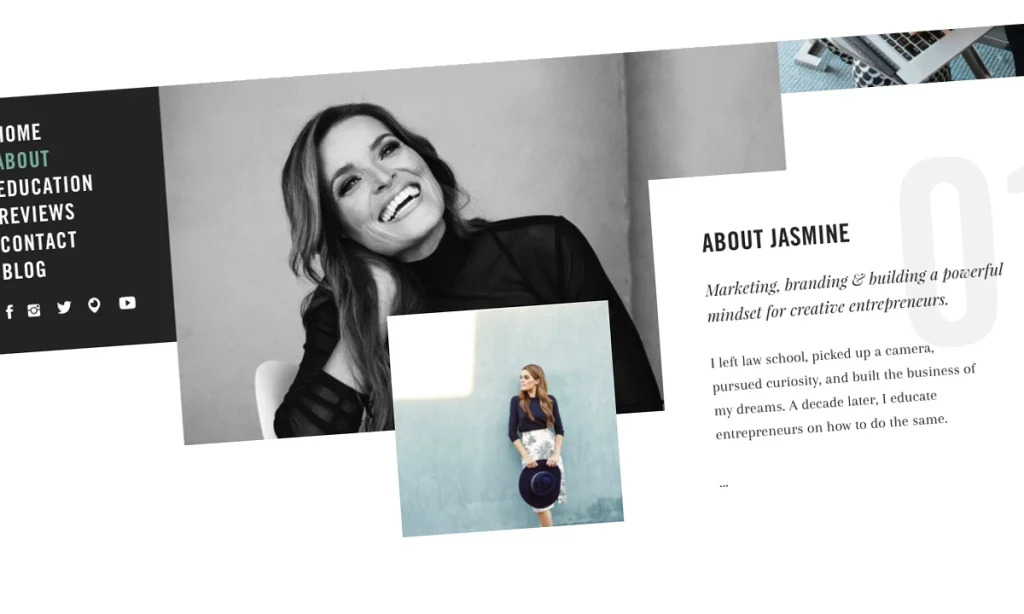
You don’t need to be a pop star or a tech billionaire. You just need a system. For an entrepreneur, a personal brand is about being known for the right thing by the right people (i.e., your customers).
Step 1: Start with Strategy, Not Selfies.
Stop posting and start planning.
- What is your “Why”? (Thanks, Simon Sinek). What is your single, ownable idea?
- Who are you for? (And who are you not for?)
- What is your brand promise? When someone hires you or buys your product, what do they really get?
Step 2: Define Your Visual Identity.
This is where 90% of entrepreneurs fail. They grab a $50 logo, use 10 different fonts, and pick colours they “like.” This is not a strategy. You need a professional system.
- Logo/Brand Mark: A simple, memorable mark.
- Colour Palette: A primary, secondary, and accent colour. (See Neil Patel. It works.)
- Typography: One font for headlines, one for body text. That’s it. Keep it simple.
- Photography Style: What should your photos look like? Gritty? Clean? Warm?
A sloppy visual identity signals a sloppy business. A cohesive, professional brand identity signals that you are an authority. This is not a “nice-to-have “; it is a core business asset.
Step 3: Define Your Verbal Identity.
How do you sound? Are you the witty expert? The warm nurturer? The direct challenger? Write down 3-5 words that define your tone and stick to them.
Step 4: Execute with Relentless Consistency.
Use your visual and verbal identity everywhere. Your website. Your email signature. Your social media profiles. Your invoices. Your proposals. Everywhere.
This is how you move from being just another “consultant” or “founder” to being “the” person people think of for your specific expertise.
The Personal Branding Playbook
Your personal brand is a liability because you’ve let everyone else write your story. That’s why you’re just an option, not the option. This book is the playbook to take control. Learn the system to turn your personality into a competitive advantage and attract inbound opportunities that chase you.
As an Amazon Partner, when you buy through our links, we may earn a commission.
Your Brand Is an Asset, Not an Accident
We’ve analysed 25 famous personal brands, and the core lesson is this: not one of them is an accident.
Each one is a system of deliberate choices, strategic positioning, and relentless consistency. They are assets, built with the same care as a product line or a balance sheet.
As an entrepreneur, your personal brand is often the first thing a client or customer interacts with. If that identity looks cobbled together, unprofessional, or inconsistent, you are losing trust and equity before you’ve even had a conversation.
We’ve seen how a clear, professional brand identity can turn a person into an icon. If your brand feels more ‘accidental’ than ‘architected,’ it might be time to refine it. We build the brand identities that make businesses recognisable and trusted.
If you’re ready to build a system, not just a profile, let’s talk.
Request a Brand Identity Quote Today
Or, if you’re still exploring, you can see more of our insights on the Inkbot Design blog.
💬 Frequently Asked Questions (FAQs)
How much does a professional personal brand identity cost in the UK?
A comprehensive brand identity—including logo, typography, colour palette, and verbal guidelines—typically ranges from £3,000 to £15,000 for independent specialists, while top-tier agencies like Pentagram command much higher fees. The investment reflects the long-term Brand Equity you are building.
Can I use AI to manage my personal brand?
Yes, but with caution. In 2026, AI is best used for “process” rather than “personality.” Use AI to transcribe your thoughts, format your content, and analyse data, but never let it replace your unique Verbal Identity. Authenticity is your only defence against AI-generated noise.
What is the “80/20 rule” of personal branding?
The Pareto Principle suggests that 80% of your brand’s impact comes from 20% of your activities. Usually, this 20% is your “hero content” (a book, a major speech, or a definitive guide) and your core visual consistency.
How is a personal brand different from just being “online”?
Being “online” is just “being visible.” A “personal brand” is being visible for a specific reason. It’s the difference between random posting (noise) and a calculated strategy (signal).
Do I need a “uniform” like Steve Jobs?
Not literally. The “uniform” is a metaphor for consistency. Your “uniform” might be your colour palette, your logo, the way you sign off emails, or the filter you use on your photos. It’s your recognisable, non-negotiable brand asset.
How do I choose my personal brand colours?
Don’t just pick your “favourite” colour. Think about strategy. What do you want people to feel? (e.g., Neil Patel’s orange is high-energy, Chris Do’s black-and-white is authoritative and minimalist).
What is a “verbal identity”?
It’s your brand’s “voice.” Are you direct and witty (like our voice at Inkbot Design)? Are you warm and empathetic (like Brené Brown)? Or are you energetic and loud (like GaryVee)? You must define it and stick to it.
How long does it take to build a personal brand?
Years. A brand is built on equity and trust, which are byproducts of relentless consistency over time. There are no shortcuts.
Can my personal brand change or evolve over time?
Yes, but it should be a strategic evolution, not a chaotic reaction. Taylor Swift’s “Eras” are a perfect example of a planned, chapter-based evolution that brings the audience along for the ride, allowing them to follow the story.
What is the single most important part of a personal brand?
Consistency. A mediocre idea executed consistently will beat a brilliant idea executed sporadically every single time.