Is Graphic Design a Good Career Choice? The Ultimate Guide
As someone in the design game for over a decade, I can confidently say that graphic design is a career path worth considering.
I know what you might think: “But I can barely draw a stick figure! How on earth could I ever become a graphic designer?”
Graphic design is about so much more than just drawing. It’s about understanding typography, colour theory, composition, and the art of visual communication. And the best part? These are all skills that can be learned and honed over time.
🔰 TL;DR: In this comprehensive guide, I will show you how you can become a successful graphic designer, even if you think you don’t have a creative bone in your body. We’ll cover everything from the ins and outs of the industry to practical tips and tricks to help you stand out in the crowd. So, whether you’re just starting or looking to take your career to the next level, strap in – this will be a wild ride!
- Graphic design involves more than just drawing; it requires skills in typography, colour theory, and composition.
- The global graphic design market is set to reach £45 billion by 2027, indicating strong demand for skilled designers.
- Creative thinking, strong technical skills, and effective communication are essential to succeed as a graphic designer.
- Building a solid portfolio and networking are crucial for finding clients and advancing in your graphic design career.
The Lowdown on Graphic Design as a Career
Before diving into the nitty-gritty, let’s look at the bigger picture. What exactly is graphic design, and why should you consider it a career choice?
Graphic design is the art of visual communication. It’s about using typography, images, and other design elements to convey a message or evoke a specific emotion. Graphic designers work on various projects, from branding and marketing materials to web design and book covers.
One of the biggest draws of graphic design as a career is the sheer variety of work you can get involved in. No two days are ever the same, and you’ll constantly be tackling new challenges and pushing your creative boundaries.
But it’s not just the creative aspect that makes graphic design a great career choice. The demand for skilled designers is constantly growing significantly as more and more businesses recognise the importance of strong visual branding. In fact, according to a recent report, the global graphic design market is expected to reach a staggering £45 billion by 2027.
And let’s not forget about the financial rewards. While salaries vary depending on location, experience, and work type, graphic designers can earn a decent living. In the UK, the average salary for a graphic designer is around £30,000 per year, with senior-level positions commanding even higher pay.
Of course, it’s not all sunshine and rainbows. Like any career, graphic design has its fair share of challenges. Long hours, tight deadlines, and demanding clients are all par for the course. But the rewards can be remarkable if you’re passionate about your craft and willing to work hard.
The Essential Skills for Graphic Design Success
Okay, so you’re convinced that graphic design is the way to go. But what skills do you need to succeed in this field?
Well, let me tell you, it’s not all about being a master of Adobe Creative Cloud (although that certainly helps). The most successful graphic designers I know have diverse skills beyond the job’s technical aspects.
1. Creative Thinking and Problem-Solving
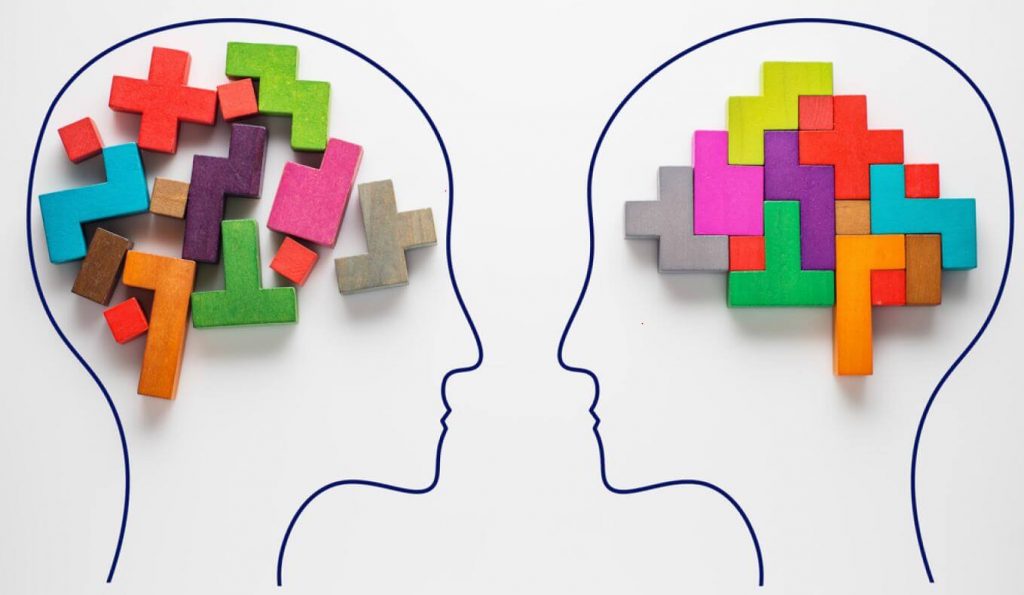
At the heart of graphic design is the ability to think creatively and develop innovative solutions to design challenges.
This means looking at a problem from multiple angles, exploring different ideas and concepts, and ultimately developing a great design that effectively communicates the desired message.
One of the best ways to improve your creative thinking is to constantly expose yourself to new ideas, inspirations, and experiences.
Read design blogs, follow influential designers on social media, and try your hand at different creative hobbies like photography or illustration. The more you immerse yourself in the creative world, your ideas and problem-solving abilities will flourish.
2. Strong Technical Skills
While creative thinking is the foundation of graphic design, you’ll also need to have a solid understanding of the technical aspects of the craft. This includes proficiency in design software like Adobe Creative Cloud (Photoshop, Illustrator, InDesign, etc.) and a working knowledge of web design, motion graphics, and 3D modelling.
The great thing about design software is that it’s pretty user-friendly once you get the hang of it. And there are many resources, from online tutorials to hands-on workshops, to help you develop these essential technical skills.
I recommend aspiring designers start with the basics and gradually build their skills. Don’t try to become a Photoshop wizard overnight – focus on mastering the core tools and techniques first and then expand your knowledge.
3. Typography and Layout
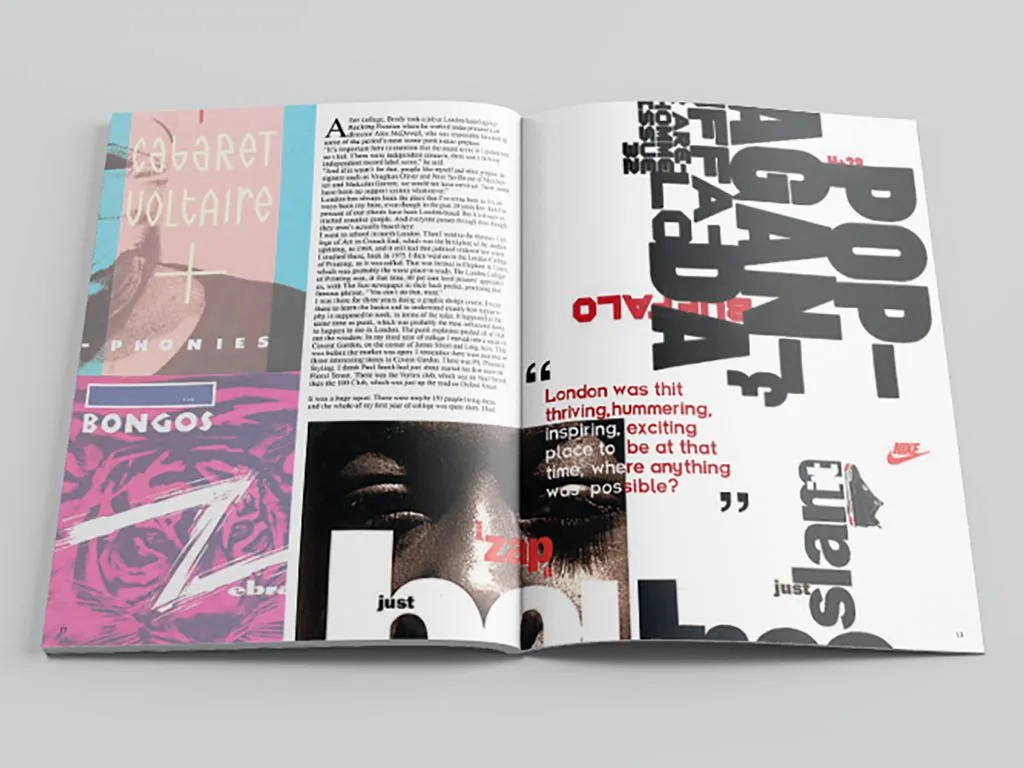
As a graphic designer, your ability to work with typography and layout is crucial.
After all, effective communication is at the heart of what we do, and how you arrange text and visual elements on a page or screen can make all the difference.
What’s more important is having an eye for aesthetics and a deep understanding of how different typefaces, font sizes, and layout techniques can be used to enhance the overall design.
One of the best ways to improve your typography and layout skills is to study the work of other designers, both in your industry and beyond. Pay attention to how text, images, and white space create visually striking and easy-to-read designs. And don’t be afraid to experiment with different approaches yourself – the more you practice, the better you’ll become.
4. Collaboration and Communication
As a graphic designer, you’ll often be working as part of a larger team, whether it’s with other designers, marketers, or clients. This means that strong collaboration and communication skills are essential.
One of the best ways to improve your collaboration and communication skills is to actively seek opportunities to work with others, whether on a client project or a personal design challenge. Practice presenting your work, soliciting feedback, and incorporating that feedback into your design process. The more you do it, the more comfortable and confident you’ll become.
5. Business Acumen
Finally, as a graphic designer, it’s essential to have a strong understanding of the industry’s business side. This includes pricing your services, managing client relationships, and staying up-to-date with industry trends and best practices.
One of the best ways to develop your business acumen is to seek opportunities to work with experienced designers or business owners. Consider internships, freelance work, or even starting your design studio. The more you can learn about the industry’s business side, the better equipped you’ll be to navigate the challenges and opportunities that come your way.
Graphic Design Specialties: Choosing Your Niche
Okay, so you’ve got the essential skills down – now what? Well, the great thing about graphic design is that there’s a wide range of specialities and niches to choose from, each with unique challenges and opportunities.
1. Brand Identity and Branding

Brand identity and branding are among the most popular and in-demand areas of graphic design. This involves creating the visual elements representing a company or organisation, such as logos, colour palettes, typography, and brand guidelines.
As a brand identity designer, you’ll work closely with clients to understand their unique brand story and values and then translate that into a cohesive and visually striking visual identity. This can be a highly rewarding and lucrative speciality, as strong branding is essential for any business looking to stand out in a crowded marketplace.
Entry-Level Positions
- Brand Marketing Coordinator
- Junior Brand Designer
- Content Marketing Coordinator
- Graphic Designer
- Brand Specialist
Mid-Level Positions
- Brand Marketing Manager
- Brand Strategist
- Brand Designer
- Creative Marketing Manager
- Content Marketing Manager
- Product Marketing Manager
Senior-Level Positions
- Senior Brand Marketing Manager
- Senior Brand Designer
- Senior Content Marketing Manager
- Art Director
- Creative Director
Executive-Level Positions
- Brand Director
- Vice President of Brand Strategy
- Chief Brand Officer (CBO)
- Director of Brand Marketing
2. Editorial Design

If you’re a bit of a bookworm, then editorial design might be your perfect speciality. This involves designing the layout and visual elements for print and digital publications, such as magazines, newspapers, and books.
As an editorial designer, you’ll need a keen eye for typography, a strong understanding of layout and composition, and the ability to work with various image and text-based content. The result should be a visually compelling and easy-to-navigate publication that engages the reader and enhances the overall reading experience.
Entry-Level Positions
- Junior Editorial Designer
- Graphic Designer
- Assistant Graphic Designer
- Layout Designer
- Production Artist
Mid-Level Positions
- Editorial Designer
- Senior Graphic Designer
- Print Designer
- Visual Designer
- Content Designer
Senior-Level Positions
- Art Director
- Creative Director
- Lead Editorial Designer
- Design Manager
- Senior Editorial Designer
Executive-Level Positions
- Director of Editorial Design
- Vice President of Design
- Chief Creative Officer (CCO)
3. Packaging Design
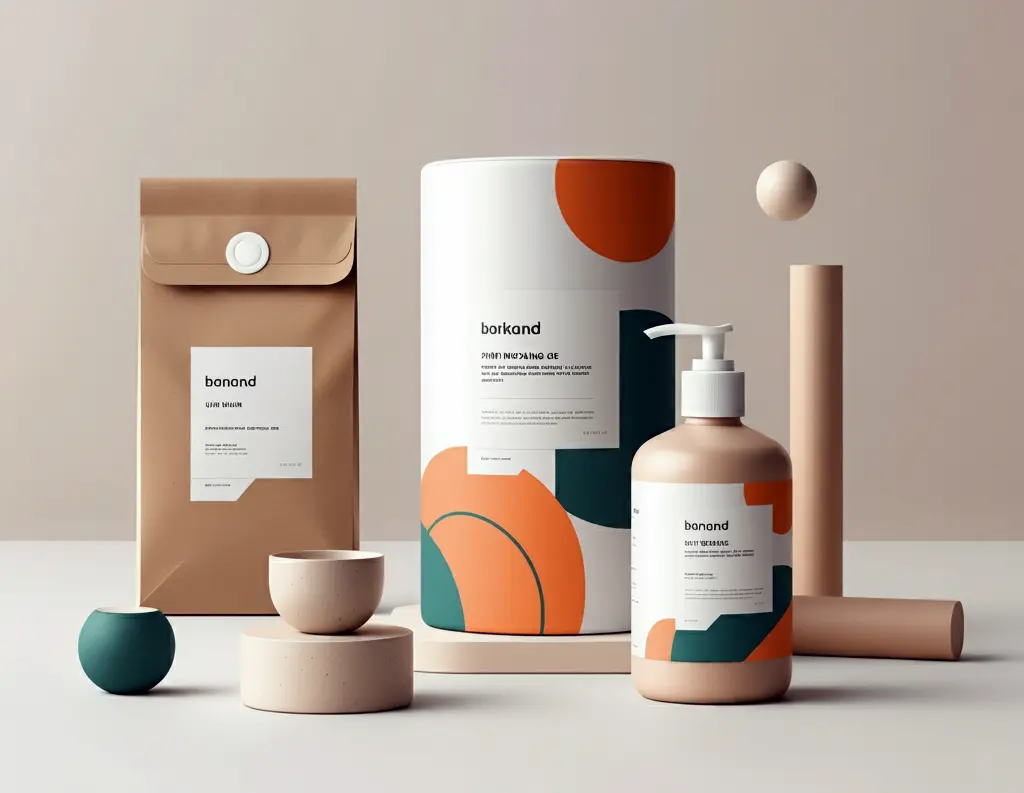
Another popular area of graphic design is packaging design. This involves creating the visual elements of product packaging, such as labels, boxes, and containers.
As a packaging designer, you’ll need to understand branding and the practical considerations of manufacturing and distribution. You’ll also need to be able to work within tight constraints and specifications, all while creating designs that are visually striking and engaging.
Entry-Level Positions
- Junior Packaging Designer
- Graphic Designer
- Production Artist
- Packaging Assistant
- Layout Designer
Mid-Level Positions
- Packaging Designer
- Packaging Engineer
- Brand Designer
- Visual Designer
- Art Director (Packaging)
Senior-Level Positions
- Senior Packaging Designer
- Lead Packaging Designer
- Creative Director (Packaging)
- Design Manager (Packaging)
- Senior Graphic Designer
Executive-Level Positions
- Director of Packaging Design
- Vice President of Packaging Development
- Chief Creative Officer (CCO)
- Global Packaging Director
4. Web and UI/UX Design

In today’s digital-first world, web and UI/UX (user interface/user experience) design have become increasingly essential in graphic design.
As a web or UI/UX designer, you’ll create the visual and interactive elements of websites, mobile apps, and other digital products. This includes page layouts, colour schemes, typography, and user flow.
One of the key things that sets web and UI/UX design apart is the need to balance aesthetics with functionality and usability. You’ll need to have a deep understanding of how people interact with digital products and be able to create designs that are both visually appealing and highly intuitive.
Entry-Level Positions
- Junior Web Designer
- Junior UX Designer
- Junior UI Designer
- Graphic Designer
- Design Intern
Mid-Level Positions
- Web Designer
- UX Designer
- UI Designer
- Interaction Designer
- Product Designer
- Visual Designer
- Front End Developer
Senior-Level Positions
- Senior UX Designer
- Senior UI Designer
- Lead Product Designer
- Art Director (Digital)
- Creative Lead
Executive-Level Positions
- Director of UX Design
- Director of Product Design
- Chief Experience Officer (CXO)
- Vice President of Design
5. Motion Graphics and Animation
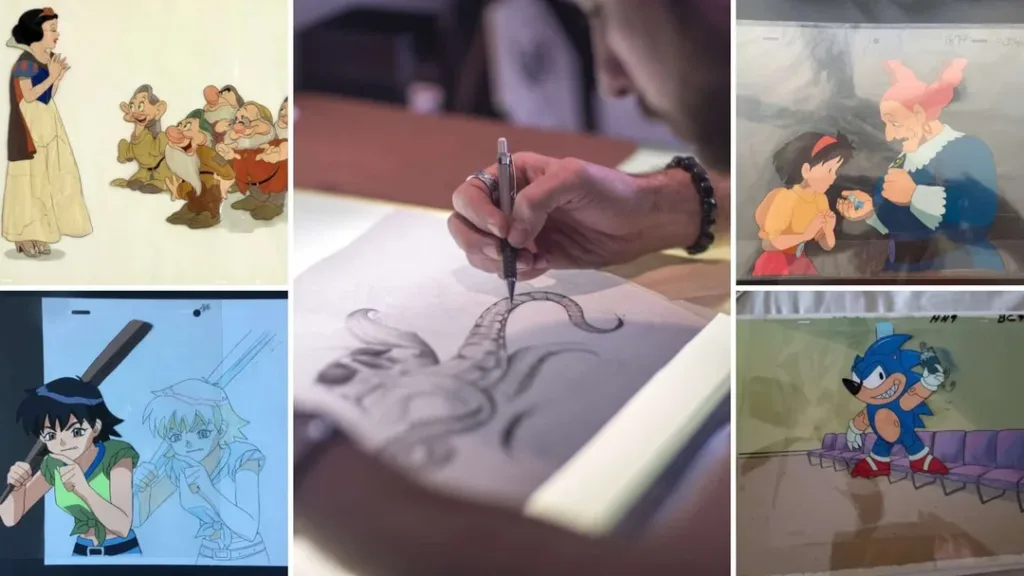
If you’re the type of person who loves to bring design to life, then motion graphics and animation might be the perfect speciality for you.
As a motion graphics designer, you’ll create animated visuals like title sequences, explainer videos, and motion-based infographics. This requires a unique blend of design, storytelling, and technical skills, as you’ll need to be able to bring your ideas to life through the use of software like After Effects and Cinema 4D.
One of the great things about motion graphics and animation is that it’s a constantly evolving field, with new technologies and techniques always emerging. This means there’s always room for innovation, creativity, and the potential for truly unique and engaging work.
Entry-Level Positions
- Junior Motion Designer
- Animation Intern
- Graphic Designer
- Production Assistant
- Junior Animator
Mid-Level Positions
- Motion Graphics Designer
- Animator
- Compositor
- Visual Effects Artist
- 3D Animator
- Concept Artist
Senior-Level Positions
- Senior Motion Graphics Designer
- Lead Animator
- Art Director (Motion Graphics)
- Senior Compositor
- Creative Director (Animation)
Executive-Level Positions
- Director of Animation
- Vice President of Motion Graphics
- Chief Creative Officer (CCO)
- Animation Supervisor
Navigating the Graphic Design Landscape

Okay, so you’ve got the skills and chosen your speciality – now it’s time to start navigating the graphic design landscape. And it can be daunting, especially if you’re just starting.
1. Building Your Portfolio
One of the most important things you can do as a graphic designer is to build a strong portfolio of work. This is your calling card, showcasing your skills, creativity, and design sensibilities.
Consider creating personal projects, re-branding your favourite companies, or even offering pro-bono work to local businesses or non-profits.
The key is ensuring that your portfolio reflects the type of work you want to do. If you’re interested in packaging design, include plenty of examples. If you’re more passionate about web design, focus on showcasing your best digital work.
2. Finding the Right Clients
Once you’ve sorted your portfolio, it’s time to start hunting for clients. This can be tricky, as you’ll need to figure out how to effectively market your services and stand out in a crowded field.
One of the best ways to find clients is to network online and offline. Attend industry events, join design-focused communities, and use platforms like LinkedIn to connect with potential clients and collaborators.
Another great way to find clients is to get involved with the local design community. Consider contacting small businesses or non-profits in your area and offering your services. This can be a great way to build your portfolio and get your name out there.
And, of course, remember the power of your website and online presence. Ensure your website is up-to-date, showcases your best work, and communicates the value you can offer potential clients.
3. Pricing Your Services
One of the biggest challenges that many graphic designers face is figuring out how to price their services. After all, it’s a delicate balance between charging enough to make a living and being competitive in a crowded market.
The truth is, there’s no one-size-fits-all answer. Factors like your location, experience level, and the type of work you’re doing can all significantly determine your rates.
One thing I always recommend is to do your research. Look at what other designers in your area are charging and use that as a starting point. You can also consider factors like the complexity of the project, the timeline, and the value you’re providing to the client.
And don’t be afraid to negotiate. Clients often try to lowball you, so you must be confident in your worth and willing to stand your ground. Remember, your time and expertise are valuable, and you deserve compensation.
Graphic Design – A Good Career Choice?
So there you have it, my friend – a comprehensive guide to graphic design as a career. As you can see, it’s a diverse and exciting field that offers plenty of opportunities for creativity, growth, and financial success.
Now, I know that becoming a graphic designer might still feel daunting, especially if you don’t consider yourself a “creative” person. But trust me, with the right mindset, skills, and determination, it’s possible to thrive in this industry.
So, what are you waiting for? Start building your portfolio, networking with other designers, and exploring graphic design’s many specialities and niches. One day, you’ll run your design agency, like the one I founded, Inkbot Design.
And remember, if you ever need a helping hand or a little design inspiration, you know where to find me. I’m always happy to lend an ear (or a pen) to fellow designers, whether you’re just starting or looking to take your career to the next level.
So, what are you waiting for? Go out there and design your path to success!
FAQs
Do I need to be a fantastic artist to be a successful graphic designer?
No, not at all! While strong drawing and illustration skills can be helpful, graphic design is about much more than just art. The most critical skills are creative thinking, problem-solving, and understanding typography, layout, and visual communication.
How much can I expect to earn as a graphic designer?
Salaries for graphic designers can vary quite a bit depending on factors like location, experience, and speciality. In the UK, the average salary for a graphic designer is around £25,000 per year, with senior-level positions often commanding higher pay. However, some specialised or highly experienced designers can earn significantly more.
Do I need a degree in graphic design to be successful?
A formal education in graphic design can undoubtedly be helpful, but it’s optional. Many successful designers are self-taught or have degrees in other fields. The most important thing is to develop a strong portfolio of work that showcases your skills and abilities.
How do I build a solid graphic design portfolio?
The key to building a solid portfolio is to carefully curate your best work and present it in a cohesive, visually striking way. Include personal projects, client work, and existing brand or product redesigns. Make sure to tailor your portfolio to the type of work you want, whether branding, web design, or something else.
What software do I need to learn as a graphic designer?
The industry standard software for graphic designers is the Adobe Creative Cloud suite, which includes programs like Photoshop, Illustrator, and InDesign. However, depending on your focus area, you may also want to familiarise yourself with other tools like Figma, Sketch, and Canva.
How do I find clients as a graphic designer?
Online and offline networking is crucial in finding clients as a graphic designer. Attend industry events, join design-focused communities, and use platforms like LinkedIn to connect with potential clients. You can also contact local businesses or non-profits and offer your services pro bono or at a competitive rate.