Logo Governance: Protecting Your Visual Identity
Walk into any mid-sized firm and ask three different departments for a high-resolution version of their company logo.
- The marketing team will send a grainy JPEG they ripped from a 2022 email signature.
- The sales lead will provide a stretched PNG with a white box around it.
- The CEO’s PA will offer a Word document containing an outdated icon.
The market moves too fast in 2026 for “visual debt” to be ignored. When your brand looks different on LinkedIn than it does on your storefront, you signal a lack of internal discipline.
Sceptical customers notice. They might not be able to name the font, but they can feel the inconsistency.
- Digital Asset Management (DAM) as the Single Source of Truth ensures access to current, legally cleared, and optimised logo files.
- Four-pillar framework: Taxonomy & metadata, RBAC, dynamic transformation, and an API layer for consistent global deployment.
- Technical sanitisation of SVGs: path simplification, precision rounding, ID stripping, and attribute-based styling to improve performance.
- Legal and provenance governance: secure IP transfers, font licences, chain of title, and optional blockchain signatures for authenticity.
- Accessibility and responsive identity: WCAG/VCAM compliance, dark-mode optical adjustments, and governed responsive logo variants.
What is Logo Governance?
In 2026, the bedrock of logo governance is no longer a static PDF but a Digital Asset Management (DAM) system.
A DAM acts as the “Single Source of Truth” (SSoT), ensuring that the most recent, legally cleared, and technically optimised versions of your logo are accessible to those who need them—and restricted from those who don’t.
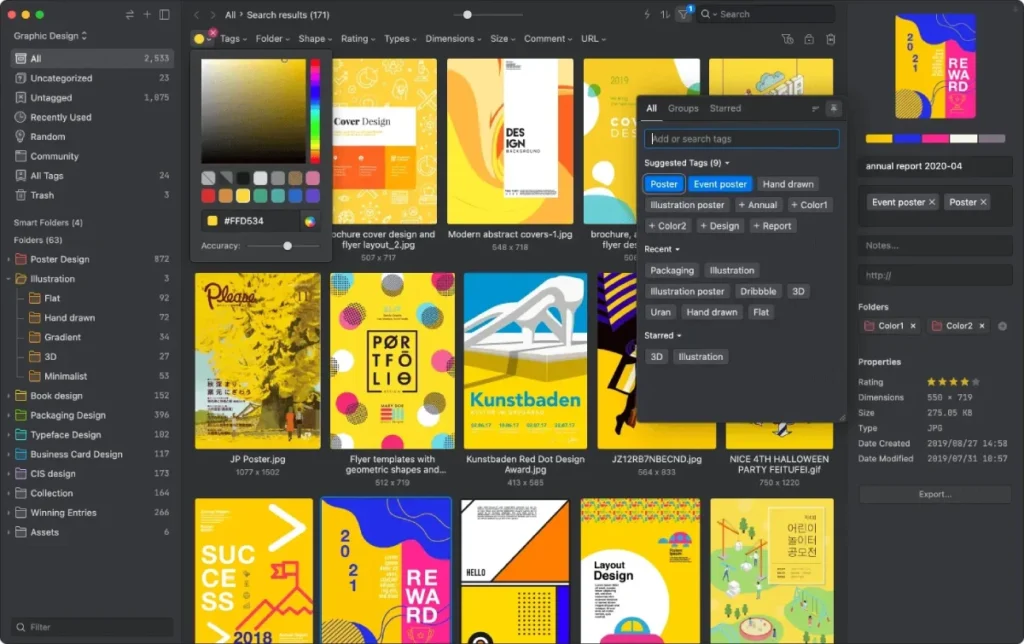
Implementing a global framework requires a four-pillar approach:
- Taxonomy and Metadata: Every logo asset must be tagged with persistent metadata. This includes version numbers, creator credits, and, crucially, IP expiration dates. If a logo uses a licensed font or element with a limited term, the DAM must automatically “grey out” the asset upon expiry to prevent accidental infringement.
- Role-Based Access Control (RBAC): Your internal marketing team needs high-res SVG and EPS files. Your external PR agency needs press kits. Your general staff only need a “Self-Service” portal that generates a correctly sized PNG for a specific PowerPoint template. A governed DAM enforces these boundaries, preventing a junior salesperson from accidentally downloading and stretching a 50MB master file.
- Dynamic Transformation: Modern governance systems use “Transform-on-the-Fly” technology. Instead of storing 500 different versions of a logo, you store one master vector file. When a user requests a “social media profile picture,” the DAM uses a predefined governance script to crop, resize, and optimise the file in real time, ensuring it meets the brand’s safe-zone requirements.
- The API Layer: Governance must extend into the tools your team already uses. By connecting your DAM to Figma, Adobe Creative Cloud, and Microsoft 365 via API, you ensure that when the “Master Logo” is updated by the Creative Director, it automatically updates across every active design project and corporate template worldwide. This eliminates “Visual Debt” at the source.
For small businesses, the primary barrier to logo governance is time. In 2026, you don’t need a £100k DAM; you need Automation.
- The “Brand Folder” Trigger: Use Zapier or Make.com to monitor a specific Google Drive folder. Whenever a new file is uploaded, the automation can run it through a “Size Checker.” If the file is >1MB, the system sends an automated Slack alert saying: “This logo is too large for web use. Please run it through the optimiser.”
- Canva Brand Kits: For firms using Canva, governance means locking the “Brand Kit.” Staff should be restricted from using any colours or fonts not pre-approved in the kit. This “Hard-Rail” governance prevents the #1 cause of logo drift: creative staff trying something new.
The Financial Risk of Logo Drift
McKinsey & Company research demonstrates that brands with high consistency across all platforms are significantly more likely to experience superior growth.
Conversely, “Logo Drift”—the gradual, unauthorised alteration of a logo by well-meaning but untrained staff—erodes trust.

I once audited a client who had nineteen different shades of “Navy Blue” across their fleet of vehicles and digital ads. They couldn’t figure out why their logo design and branding felt “cheap” compared to their competitors.
The issue wasn’t the design; it was the lack of a colour governance protocol. They were losing an estimated 12% in brand recognition recall simply because their blue wasn’t their blue.
“Visual Debt” Financial Modelling
Just as developers face technical debt, brands accumulate Visual Debt.
This is the compounded cost of inconsistent brand application, which results in consumer confusion, lost trust, and eventual rebranding expenses.
To calculate your Visual Debt, use the following framework:
VD = (A × C) + (E × R)
- A (Auditor Cost): The annual hours spent by staff manually correcting logo usage or hunting for files.
- C (Customer Acquisition Friction): The estimated % drop in conversion rate when a lead encounters an inconsistent brand touchpoint (estimated at 2.4% in 2026).
- E (Equity Erosion): The cost of a total rebrand, amortised over the years the brand was “drifting.”
- R (Risk Factor): The potential legal cost of IP infringement or “Chain of Title” failures during an exit or M&A.
Professional governance isn’t an expense; it is a debt-reduction strategy.
Stuart Crawford
A firm with high Visual Debt might appear “unstable” to investors. During a Series B funding round, for instance, a clean, governed brand portfolio signals operational discipline.
Conversely, a fragmented identity suggests a “move fast and break things” culture that has moved too fast and broken its own reputation.
Technical Governance: Beyond the PDF
Most agencies hand over a “Style Guide” PDF and walk away. That is a failure of service. A PDF is where brand standards go to die. Professional logo design and branding require a dynamic approach to technical specifications.
SVG Sanitisation & Web Performance Tech
In 2026, Core Web Vitals will remain a dominant factor in online visibility.
Your logo is usually one of the first elements to load in a browser (the Largest Contentful Paint). If your logo governance doesn’t include a technical sanitisation protocol, you are sabotaging your site’s performance.

The Anatomy of a Governed SVG
Most SVGs exported directly from Adobe Illustrator are “dirty.”
They contain XML bloat: hidden layers, editor metadata (adobe:ns:meta), and unnecessary precision in coordinate paths.
A 12KB logo can often be sanitised to 2KB without a single pixel difference.
The 2026 Sanitisation Protocol:
- Path Simplification: Reducing the number of anchor points to the mathematical minimum required to maintain the curve.
- Precision Management: Rounding coordinate points to 1 or 2 decimal places. A browser doesn’t need to know a point is at 12.3456789; 12.35 is sufficient.
- ID Stripping: Removing the unique IDs Illustrator generates (e.g., id=”Layer_1″), which can cause CSS conflicts when multiple SVGs are used on a page.
- Inline CSS vs Attributes: Governance should dictate that SVGs use attributes (fill=”#000″) rather than internal <style> blocks to prevent global CSS pollution.
Variable Fonts in Logos
A significant shift in 2026 governance is the use of Variable Fonts within the logo’s SVG structure.
Instead of “expanding” text into shapes, keeping the text as a variable font path allows the logo to subtly adjust its “weight” based on the user’s screen resolution, ensuring maximum legibility at every size without needing separate files.
The Myth of the “One Size Fits All” Logo
There is a common, outdated belief that a logo should look identical regardless of its size. This is a technical fallacy.
Small-scale applications (like a 16px favicon or a mobile app icon) require a different version of the logo than a billboard.
Proper governance involves a responsive logo design strategy. This means creating “Simplified,” “Stacked,” and “Icon-only” variants that are mathematically balanced for their specific use cases.
If your governance doesn’t specify which version to use at 32px, your staff will just “shrink” the complex primary logo, resulting in a blurred, illegible mess.
Legal Governance: IP and Chain of Title
Your logo is a piece of property. If you haven’t governed the legal aspects of its creation, you might not even own it.
I frequently see SMB owners who used a “cheap” designer on a freelance platform but never secured a formal Transfer of Intellectual Property (IP) agreement.
If that designer disappears, and you want to sell your company in five years, the lack of a “Chain of Title” for your logo can derail the entire M&A process.
Licensing and Font Governance
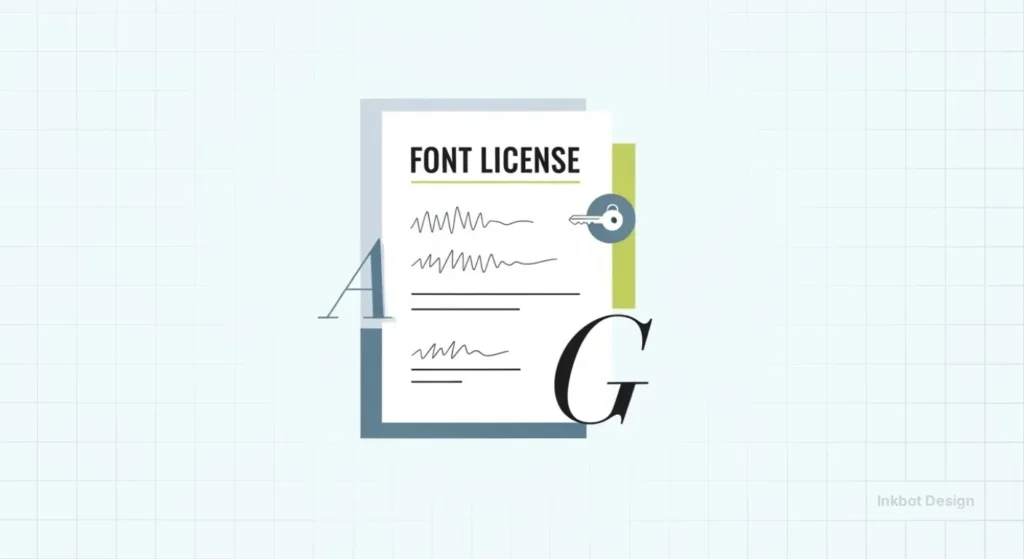
Logo governance extends to the typography within the mark. If your logo uses a commercial font, do you have the license to use that font in perpetuity for a logo?
Many “Standard” font licenses explicitly forbid their use in a trademarked logo without an “Enterprise” upgrade. Ignoring this is a ticking legal time-bomb.
A proper governance audit involves checking every logo file format and ensuring the underlying assets are legally compliant.
Decentralised Identity & Brand Provenance
In an era of deepfakes and AI-generated misinformation, Brand Provenance is critical. High-value brands are now using Blockchain-based Content Credentials to “sign” their official logos.
When your logo is used in a high-stakes environment (like a corporate press release or an SEC filing), it should carry a “Digital Signature.”
If a bad actor tries to use your logo on a fake “phishing” site, a modern browser can check the blockchain record. If the “Chain of Title” doesn’t match the official brand wallet, the browser can display a “Unverified Brand” warning to the user.
This is the ultimate evolution of logo governance: turning your visual identity into a security protocol.
The State of Logo Governance in 2026
The last 18 months have seen a massive shift in how we manage visual identities, primarily driven by AI and the proliferation of Dark Mode.
- AI Asset Generation: Midjourney and DALL-E 3 are now used by junior marketing staff to “create quick graphics.” Without strict governance, these AI tools often hallucinate versions of your logo that are almost right but subtly wrong. Governance in 2026 must include a “No AI-Generated Logo Usage” policy unless the assets are run through an internal verification tool.
- Systemic Dark Mode: We are no longer in a “White Background First” world. Governance now requires a “Negative Space” variant for every asset. This isn’t just “inverting the colours.” It’s about adjusting the vector vs raster images to ensure optical weights remain consistent when the background flips from #FFFFFF to #000000.
- Variable Brand Systems: Modern governance is moving away from static marks toward “Variable Identities” that can react to the user’s environment while remaining governed by a central algorithm.
Optical Weight Math for Dark Mode
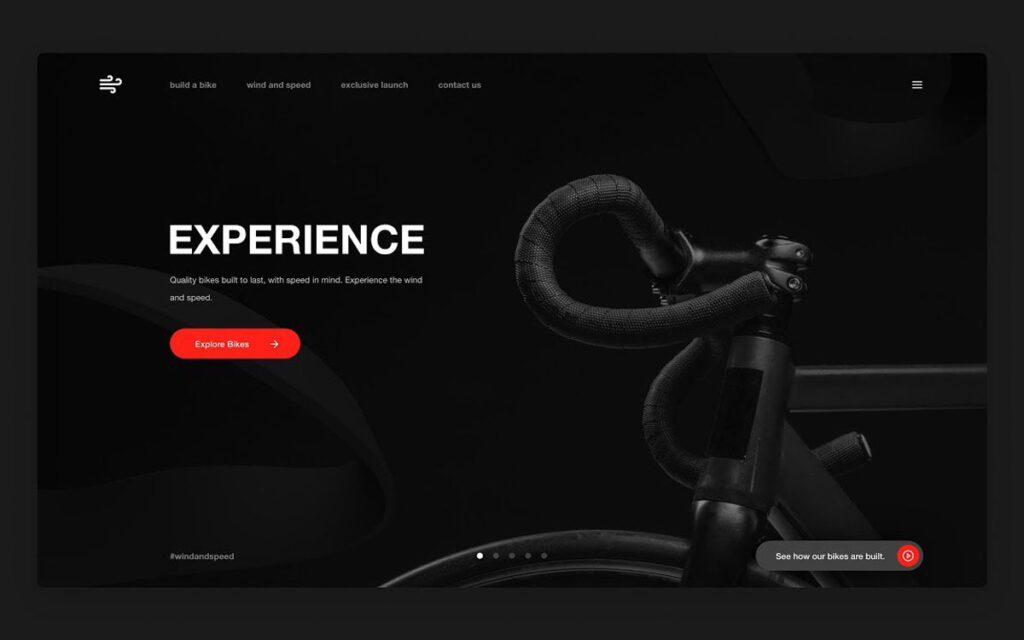
When a white logo is placed on a black background, it appears visually “thicker” than a black logo on a white background.
This is due to halation—the light from the white pixels bleeding into the surrounding dark pixels on the screen.
Professional logo governance in 2026 requires an Optical Weight Adjustment protocol. You cannot simply “invert” the colours.
If your primary logo uses a 2pt stroke, your “Negative Space” variant should likely use a 1.8pt stroke to compensate for the halation.
Dark Mode Compensation
| Use Case | Light Mode Stroke | Dark Mode Stroke (Governed) | Rationale |
| Primary Wordmark | 100% (Medium) | 92% (Book/Light) | Prevents letterforms from “clogging” on OLED screens. |
| Technical Iconography | 1.5px | 1.3px | Maintains “airiness” and prevents visual vibration. |
| Small Scale (Favicon) | 2.0px | 1.75px | Critical for legibility in high-contrast environments. |
Governance should specify that the prefers-color-scheme: dark CSS media query doesn’t just swap a hex code; it swaps the entire SVG asset for the “optically corrected” version.
This is the difference between an amateur “white-version” and a professional “governed-identity.”
Operational Governance: The “Single Source of Truth”
Stop emailing logo files. The moment a file is attached to an email, you have lost control of your governance.
Operational governance requires a Digital Asset Management (DAM) system. This is a centralised hub where the most recent, approved versions of the logo live.
If the Creative Director updates the logo’s kerning, the update should automatically propagate to every team member’s access point.
The Role of the Brand Guardian
Every organisation, regardless of size, needs a “Brand Guardian.” This isn’t necessarily a full-time role, but it is a specific responsibility. Their job is to say “No.”
- “No, you cannot use the logo on a busy photographic background without a semi-transparent scrim.”
- “No, you cannot stretch the logo to fit that PowerPoint slide.”
- “No, we aren’t using the ‘Old’ logo just because you have it saved on your desktop.”
Without a guardian, governance is just a suggestion. And suggestions don’t build £100m brands.
Inclusive Governance: Accessibility and Global Standards
In 2026, the W3C moved closer to full implementation of WCAG 3.0 (Silver), shifting the focus from simple contrast ratios to the Visual Contrast Adaptive Model (VCAM).
Logo governance that ignores these standards is not only exclusionary—it is a legal liability.

The 3-Step Accessibility Governance Protocol:
- Luminance Contrast: While logos are often exempt from strict contrast rules in older standards, 2026 best practices dictate that any “informative” part of a logo (the wordmark or a critical icon) must maintain a 4.5:1 ratio against its background. Your governance framework must provide “High Contrast” versions for users with low vision.
- Colour-Blindness Stress Testing: Governance requires that every logo variant be tested against Protanopia, Deuteranopia, and Tritanopia simulations. If your brand relies on a red-green distinction that disappears for 8% of men, your governance must provide a “Texture” or “Shape-based” alternative.
- Screen Reader Metadata: A logo is not just an image; it is an entry point. Governance should specify the exact aria-label or alt text for every logo use case. For example, a header logo should be labelled “Home: [Company Name] Brandmark,” whereas a footer logo might simply be “[Company Name] official logo.”
Detailed Table: Logo Accessibility Standards (2026)
| Feature | WCAG 2.1 (Old) | WCAG 3.0 / VCAM (2026) | Governance Requirement |
| Contrast Ratio | 4.5:1 (Fixed) | Contextual Luminance | Provide “Dynamic Contrast” SVG versions. |
| Text-in-Logo | Often Exempt | High-legibility required | Wordmark must use accessible font weights. |
| Animation | No specific rule | Must support prefers-reduced-motion | “Motion-governed” CSS for animated logos. |
| Scalability | Must scale to 200% | Must be “Vector-pure” to 400% | No raster elements in the master logo. |
| Focus States | N/A | Logos as links must have a 3px focus ring | Define brand-compliant focus CSS in the DAM. |
Debunking the “Strict Consistency” Myth
Here is an uncomfortable truth: Absolute consistency is a trap.
Traditional branding experts will tell you the logo must never change. They are wrong.
In the digital-first environment of 2026, a logo that refuses to adapt is a liability. This is the difference between Consistency and Coherence.
Consistency is doing the same thing every time. Coherence is making sure everything feels like it belongs to the same family. A sustainable logo design must be fluid.
If your logo is too complex to work as a 1-bit embroidery on a staff cap, the solution isn’t to “force” it. The solution is to have a governed “Sub-mark” explicitly designed for that medium.
Rigid adherence to a single “Primary Logo” is an amateur mistake that ignores the technical limitations of physical and digital production.
The Verdict
Logo Governance is not a creative exercise; it is an operational necessity. It is the invisible infrastructure that prevents your brand from dissolving into a sea of “good enough” JPEGs.
In 2026, the brands that win are those that treat their visual identity as a precision instrument rather than a decoration.
Protect your equity. Centralise your assets. Enforce your standards. If your current “governance” consists of a forgotten PDF in a Dropbox folder, it’s time to grow up.
Ready to stop the drift?
If you want to ensure your visual identity is future-proof and technically flawless, request a quote today. Let’s audit your assets and build a governance framework that actually works.
You can also explore our logo design services to see how we build brands with governance baked into the DNA.
FAQ: Logo Governance
What is the difference between a style guide and logo governance?
A style guide is a static document outlining rules. Logo governance is the active process and system (like a DAM) used to ensure that those rules are followed, assets are managed, and the brand remains coherent across all touchpoints.
Why is logo governance important for small businesses?
Small businesses often lack the marketing headcount to police every asset. A governance framework automates the process, ensuring that, even with limited resources, the brand maintains and professional, consistent look, thereby building trust with sceptical customers.
How often should we audit our logo governance?
We recommend a full brand audit every 12-18 months. This ensures your assets continue to perform well on new devices, social platforms, and browsers that may have updated rendering standards.
What are the most common logo design mistakes in governance?
The biggest logo design mistakes include failing to provide a dark-mode variant, using unoptimised file formats, and not having a “Chain of Title” document proving you own the IP.
Does logo governance affect SEO?
Yes. Properly governed logos are exported as optimised SVGs or WebP files. This improves page load speed (LCP), which is a direct ranking factor for Google.
Who is responsible for logo governance?
In a small firm, it is usually the founder or a dedicated “Brand Guardian.” In larger organisations, it falls under the remit of the Brand Manager or Creative Director.
How do I handle third-party requests for my logo?
Never email files directly. Use a governed “Brand Portal” or PR kit where partners can download the specific minimum viable branding assets they need, accompanied by clear usage instructions.
What is “Logo Drift”?
Logo drift occurs when staff or partners make unauthorised changes to your logo—such as stretching it, changing the colours, or adding effects—because they don’t have access to the correct files or guidelines.
How do I manage logos for different sub-brands?
Governance should include a “Brand Architecture” section that defines the relationship between the parent logo and sub-brands, ensuring they appear to belong to the same family while maintaining their unique identifiers.
Can AI help with logo governance?
AI can be used to audit your digital presence to find “rogue” versions of your logo. However, AI should not be allowed to “generate” or “upscale” your logo without manual professional oversight.
What are the latest logo design trends in governance for 2026?
The latest logo design trends include “Motion-first” marks and “Variable Brand Systems” that automatically adjust for accessibility and screen brightness.
What happens if I don’t have a Transfer of IP for my logo?
Technically, the designer may still own the copyright. This can create massive legal hurdles if you try to trademark the logo, sue for infringement, or sell your business. Always secure a written transfer.