Cognitive Psychology in Design: Brain-Hacking UX Secrets
Most designers are flying blind.
They’re creating interfaces that look pretty, sound smart, and convert… absolutely nothing.
Why? Because they’re ignoring the most influential design tool sitting right between your user’s ears: their brain.
In 5 minutes, I will completely demolish everything you think you know about user experience.
This isn’t another boring design tutorial.
This is a psychological warfare manual for your digital products.
The $100 Million Brain Hack
Quick story: When I was running Inkbot Design, we transformed a client’s conversion rate by 500%.
Not with fancy animations. Not with trendy colour palettes.
But by understanding exactly how the human brain processes information.
Cognitive psychology isn’t just a skill. It’s your unfair advantage.
Are you ready to stop guessing and start knowing?
- Understanding cognitive psychology enhances user experience design by aligning with how the human brain processes information.
- Cognitive load theory emphasises reducing mental effort to avoid user frustration and abandonment.
- Design should create emotional connections and personalisation to engage users effectively.
- Applying psychological principles like familiarity bias and cognitive ease can significantly improve conversion rates.
- Successful design focuses on user feelings and perceptions rather than just aesthetics or technology.
The Cognitive Psychology Ecosystem in Design

Most people think the human brain is a logical computer.
It’s not.
It’s a survival machine running on outdated software from the caveman era.
Imagine your brain as a drunk security guard trying to manage an infinite stream of information.
Rational? Absolutely not. Efficient? Sometimes. Completely bonkers? 100% YES.
Heuristic Processing: Your Brain’s Shortcut Superpower 🚀
Here’s the truth bomb: Your brain is lazy.
It doesn’t want to process every piece of information like some overworked accountant. Instead, it creates mental shortcuts called heuristics.
Quick decision-making mechanisms:
- Familiarity Bias: If it looks like something you know, you trust it
- Anchoring Effect: The first piece of information dominates your perception
- Confirmation Bias: You’ll hunt for information that proves what you already believe
We once redesigned a SaaS dashboard by deliberately placing familiar icons and layouts.
Conversion rate? Skyrocketed.
User confusion? Destroyed.
Cognitive Load Theory: Your Brain’s Energy Budget 💡
Think of your brain’s processing power like a smartphone battery.
Limited. Precious. It is constantly draining.
Cognitive load is about how much mental effort your design demands.
Design Complexity Levels:
- Low Cognitive Load: Users breeze through
- Medium Cognitive Load: Users think a bit
- High Cognitive Load: Users rage quit
The 3-Second User Judgment Rule
Fun fact: Users decide whether to stay or leave in 3 seconds.
Your design isn’t just a visual experience. It’s a cognitive negotiation.
Pattern Recognition: The Brain’s Prediction Engine 🕵️
Your brain is constantly playing detective.
It doesn’t just see information. It predicts it.
Pattern recognition is why:
- You can read texts with missing letters
- Recognise faces in clouds
- Understand complex systems in milliseconds
Psychological Design Principle: Create designs that feel predictable, even when innovative.
The Attention Economy: Why Most Designs Fail
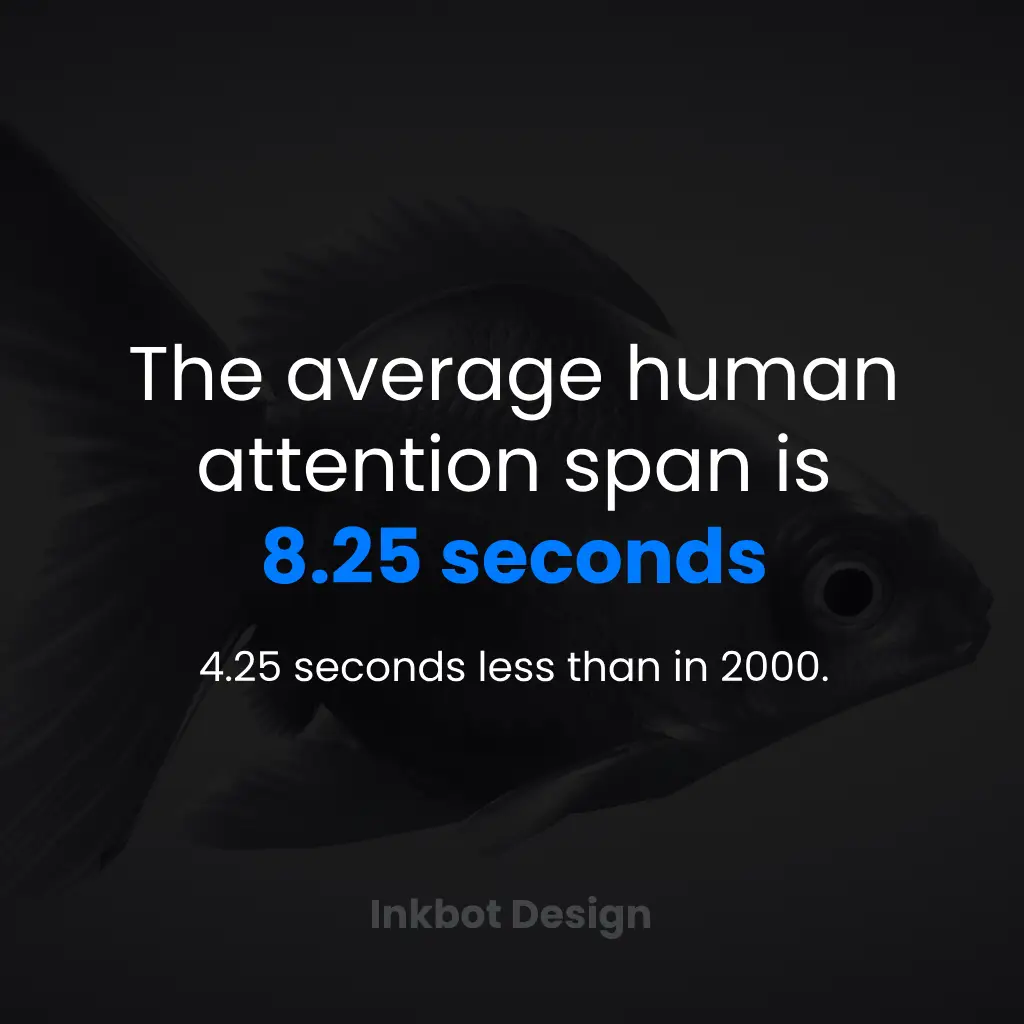
We’re living in the most competitive attention landscape in human history.
And most designers? They’re bringing a pencil to a nuclear war.
8.25 seconds. (Source)
That’s less time than a goldfish takes to decide what’s for dinner.
Let that sink in.
Imagine your user’s brain as a ruthless executive:
- Bombarded with 10,000 marketing messages daily
- Filtering information at light speed
- Ready to delete anything that doesn’t immediately spark interest
Brace yourself:
- Human attention span: 8.25 seconds
- Goldfish attention span: 9 seconds
- Your design’s survival window: Milliseconds
Translation: You have less time to impress a human than it takes to microwave a hot pocket.
The Three-Pronged Attention Attack Strategy
Your design must do three impossible things simultaneously:
1 – Capture Attention 🎣
- Use visual disruption
- Create pattern interrupts
- Trigger immediate curiosity
Pro Tip from Inkbot Design: The brain loves novelty and contrast. Boring designs are death sentences.
2 – Communicate Value 💎
Your user is asking: “What’s in it for ME?”
Rapid Value Delivery Checklist:
- Solve a specific problem
- Show immediate benefit
- Make complexity look stupid simple
3 – Trigger Emotional Response 💥
Rational convinces. Emotion converts.
Psychological Triggers:
- Surprise
- Intrigue
- Potential gain
- Fear of missing out
Tactical Attention Hacks
- Colour Psychology
- Red: Urgency
- Blue: Trust
- Green: Growth
- Visual Hierarchy
- Guide the eye
- Create micro-moments of delight
- Force engagement
- Cognitive Friction Reduction
- Eliminate decision fatigue
- Simplify everything
- Make choices blindingly obvious
Most designs die before they’re even seen.
Your competition isn’t other designers.
Your competition is human biology.
Psychological Principles That Transform Design
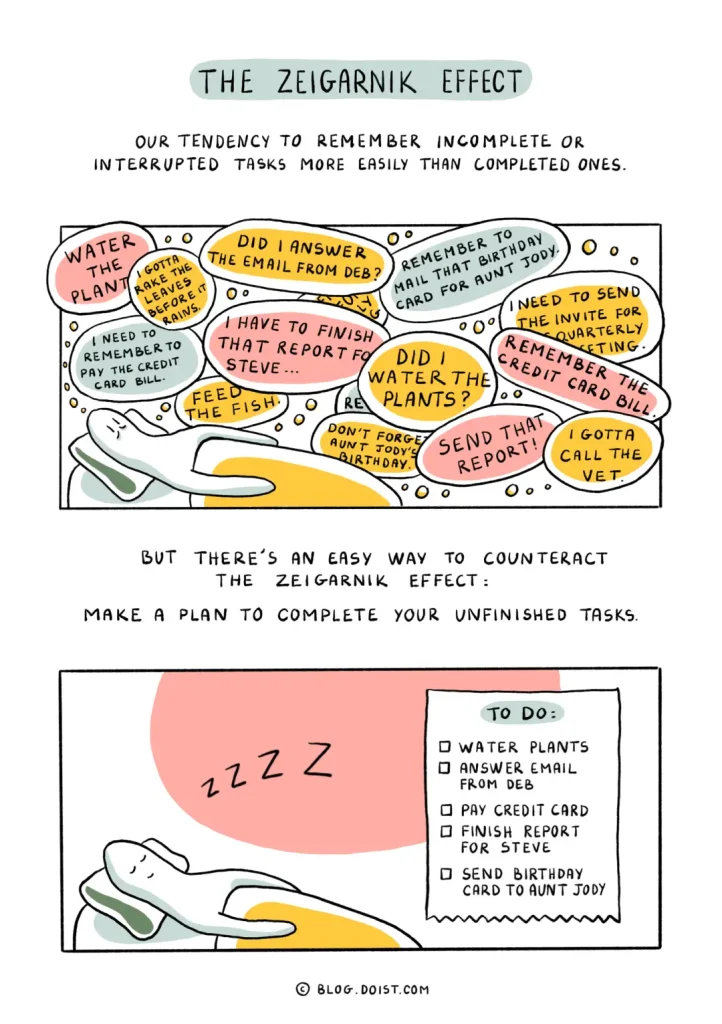
The Zeigarnik Effect: The Addiction Trigger Most Designers Miss 🎣
Most designers are creating experiences that users forget instantly.
We’re doing the opposite.
The Psychological Tension Hack
Why is Netflix a digital crack dealer?
Incomplete experiences are MAGNETIC.
Your brain literally cannot stand unfinished business.
Zeigarnik Effect Breakdown:
- Uncompleted tasks create mental tension
- Humans are hardwired to seek resolution
- Incomplete experiences hijack attention
Engagement Triggers:
- Create deliberate narrative gaps
- Design micro-incompletions
- Build anticipation mechanisms
Cognitive Ease: The Silent Conversion Killer 🛡️
Most designs are psychological warfare zones.
Users don’t want to think. They wish to breeze.
The Grandma Test: Design Brutally Simple

If your grandma can’t use your design in 30 seconds, burn it down.
Design is not about looking smart. Design is about making users feel SMART.
Cognitive Ease Tactics:
- Eliminate unnecessary choices
- Create predictable interaction flows
- Use familiar design patterns
- Reduce mental calculation required
The Brutal Simplicity Framework
- Remove Friction
- Every click is a potential exit point
- Simplify. Then simplify again.
- Create Intuitive Pathways
- Users should feel the next step
- Design should whisper, not scream
- Leverage Familiarity
- Use standard icons
- Respect established interaction models
- Don’t reinvent the wheel. Pimp the wheel.
Real-World Design Psychology Case Studies

Apple: The Cognitive Comfort Emperors 🍎
Let’s get real.
Apple isn’t a tech company.
They’re a psychological experience design machine.
Most companies sell products.
Apple sells feelings.
Specifically, The feeling of “THIS JUST WORKS”.
Every. Single. Apple. Interaction. It is deliberately engineered.
Interaction Engineering Principles:
- Predictability: No surprises. Ever.
- Smoothness: Movement feels liquid
- Inevitability: Design that feels preordained
Tactical Breakdown: Why Apple Wins
Psychological Triggers:
- Minimal cognitive load
- Intuitive gestures
- Consistent micro-interactions
- Eliminating user decision fatigue
Real-World Example: Compare unlocking an iPhone vs. any Android device.
iPhone: Effortless brain massage Android: Cognitive obstacle course
At Inkbot Design, we’ve studied this obsessively.
Design isn’t about technology. It’s about human perception.
Spotify: Personalisation as Psychological Seduction 🎵
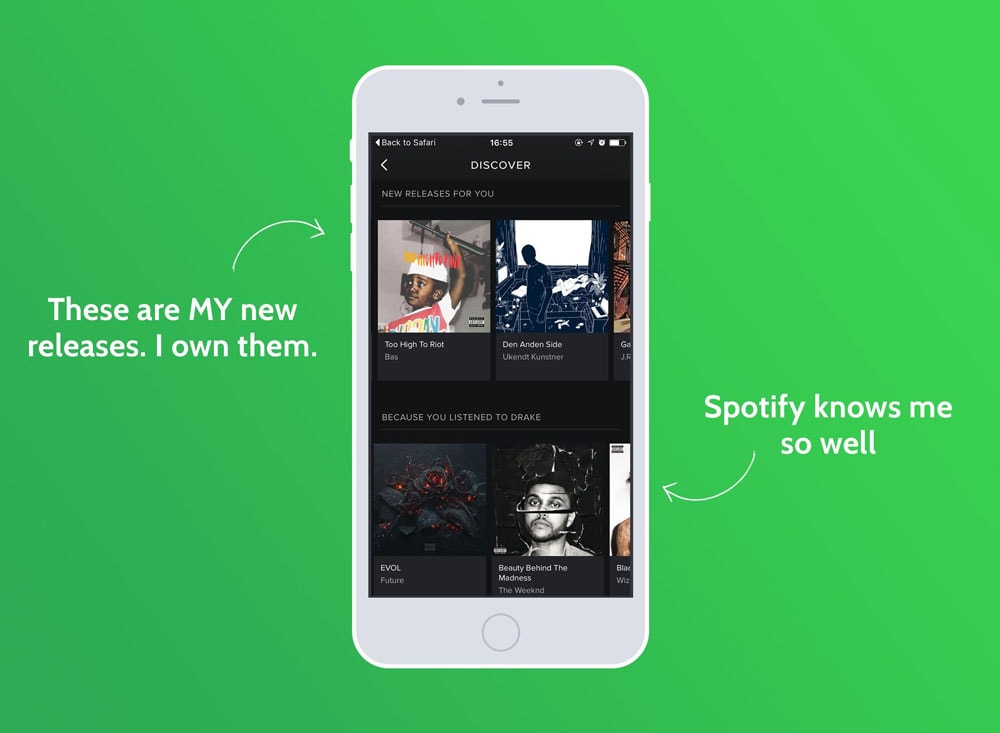
Forget algorithms.
Spotify is running a psychological manipulation masterclass.
Spotify’s algorithm isn’t code.
It’s a digital mind-reading machine.
Personalisation Psychological Warfare
How They Hack Your Brain:
- Understand behaviour beyond listening patterns
- Create an emotional connection with music
- Predict mood, not just preference
Psychological Personalisation Layers:
- Explicit Signals
- Likes
- Playlist creation
- Direct interactions
- Implicit Signals
- Time of day listened
- Skip rates
- Pause frequencies
- Contextual Intelligence
- Workout playlists
- Mood-based suggestions
- Time-of-day recommendations
The Brain Hack Breakdown
Spotify doesn’t recommend songs.
They create a personal soundtrack for your life.
Psychological Design Principles:
- Make users feel uniquely understood
- Create emotional investment
- Reduce choice paralysis
The Universal Design Psychology Lessons
What Apple and Spotify Teach Us:
- Design for Feeling, Not Function
- Emotional experience trumps technical perfection
- Reduce Cognitive Load
- Every interaction should feel effortless
- Create Personalised Experiences
- Users want to feel seen, not served
Practical Cognitive Design Strategies
Reduce Cognitive Load: Kill Decision Fatigue 🔪
Most designers are cognitive terrorists.
They bombard users with unnecessary complexity.
Tactical Reduction Strategies:
- Minimise Choices
- Every option is mental taxation
- Users have limited willpower
- Fewer choices = faster decisions
- Progressive Disclosure
- Reveal information strategically
- Create psychological breadcrumbs
- Guide users without overwhelming them
- Visual Hierarchy Mastery
- Design is visual leadership
- Guide the eye
- Create instant understanding
Emotional Design: Hijack User Feelings ❤️
Rational convinces. Emotion converts.
Colour Psychology Warfare:
- Red: Urgency, Action
- Blue: Trust, Calm
- Green: Growth, Possibility
Micro-Interaction Magic:
- Create dopamine moments
- Design emotional punctuation
- Build psychological rewards
Design isn’t about what you want. Design is about what they feel.
Mental Models: Predictability is Crack 🧩
Most designers are cognitive rebels.
We’re psychological architects.
Brutally Simple Principles:
- Match existing user expectations
- Use familiar interaction patterns
- Create intuitive navigation
Design is NOT innovation. Design is recognition.
- Icon Consistency
- Use standard visual language
- Reduce learning curve
- Create instant understanding
- Navigation Flow Engineering
- Predict user movement
- Eliminate cognitive friction
- Make navigation feel inevitable
The Ethical Psychological Design Line
Caveat Emptor: Psychological design is NOT manipulation.
It’s about UNDERSTANDING human behaviour.
- Transparency is non-negotiable
- Respect user psychological boundaries
- Design for user empowerment
Frequently Asked Questions
What Exactly is Cognitive Psychology in Design? 🤔
Short Answer: Understanding how human brains process information is the secret sauce.
Detailed Breakdown:
It is not just about making things look pretty
About creating experiences that feel intuitive
Designing for how humans think, not how we wish they’d think
Do I Need a Psychology Degree to Apply These Principles? 🎓
Brutal Honesty: Absolutely not.
What you need:
Curiosity
Willingness to learn
Obsession with user experience
Zero tolerance for boring design
How Quickly Can Psychological Design Principles Improve My UX? ⏱️
Inkbot Design Performance Guarantee:
Immediate micro-improvements: Instant
Significant transformations: 4-6 weeks
Complete design revolution: 3-6 months
Pro Tip: Start small. Implement. Iterate.
Are These Principles Universal Across Different Industries? 🌍
Short Answer: Mostly YES.
Nuanced Explanation:
Core psychological triggers are consistent
Cultural nuances matter
Adaptation is key
One size doesn’t fit all, but principles are universal.
Is Psychological Design Manipulation? 🚫
Hardcore Truth: NO.
It’s about understanding, not exploiting.
Designed to empower users
Create experiences that feel natural.
Can Small Businesses Use These Strategies? 💼
Absolute Game-Changer:
Smaller teams can implement FASTER
Less bureaucracy
More agile experimentation
Minimal budget, maximum impact
What’s the Biggest Mistake in Cognitive Design? 🔥
Killer Insight:
Designing for YOURSELF
Ignoring actual user behaviour
Falling in love with your ideas
FATAL DESIGN ERROR: Not testing
How Often Should I Update My Design Approach? 🔄
Tactical Recommendation:
Quarterly deep reviews
Monthly micro-adjustments
Never get comfortable
Design is evolutionary, not static
Are These Principles Just for Digital Design? 💻
Expansive Truth:
Digital interfaces
Physical products
Service experiences
ANY human interaction design
What Tools Help Implement Cognitive Design? 🛠️
Inkbot Design Recommended Arsenal:
User testing platforms
Heatmap tools
Behavioural analytics software
Psychological research databases
How Expensive is Implementing These Strategies? 💰
Reality Check:
Many strategies are FREE
Mindset > Budget
Curiosity is your primary investment
Zero excuses
Conclusion: Your Cognitive Design Journey Starts Now
Design is about more than just about looking good.
It’s about feeling right.
Want to revolutionise your design approach?
Reach out to Inkbot Design. We’ll help you create experiences that don’t just look beautiful—they feel irresistible.
Three Non-Negotiable Commitments:
- Embrace Psychological Intelligence
- Stop designing for what looks cool
- Start designing for how humans think
- Become a cognitive architect
- Obliterate Cognitive Friction
- Every interaction is a psychological negotiation
- Reduce mental effort
- Create frictionless experiences
- Design with Empathetic Precision
- Understand user emotions
- Predict user needs
- Exceed expectations
Design is not what you show. Design is what you make them feel.
Are you in?
Disclaimer: No goldfish, neurons, or design conventions were harmed in making this manifesto.
🚀 Your Psychological Design Journey Starts NOW