Louis Vuitton Logo Design: Lessons from a Luxury Icon
Ever stared at a Louis Vuitton bag and wondered, “How the hell did they make that LV so damn recognisable?”
I have. And let me tell you, it’s not just about slapping two letters together and calling it a day.
When I started Inkbot Design, I was obsessed with creating logos that could stand the test of time. I’d spend hours analysing the greats, trying to crack their code.
Louis Vuitton? They were the holy grail.
So, buckle up. We’re about to dive deep into the world of luxury branding, dissect the LV logo, and extract lessons you can use to elevate your brand, even if you’re working with a shoestring budget and a free design tool.
Let’s get started, shall we?
| Company Name | Louis Vuitton |
| Founded | 1854 |
| Founder | Louis Vuitton |
| Headquarters | Paris, France |
| Estimated Value | Approximately $130 billion (2024) |
| Parent Company | LVMH Moët Hennessy Louis Vuitton |
| Number of Employees | Approximately 20,000 |
| Primary Business Model | Luxury goods (fashion, leather goods, accessories) |
| CEO | Bernard Arnault (LVMH Group) |
| Annual Revenue (2023) | Approximately $86 billion (LVMH Group) |
- Timeless Design: The Louis Vuitton logo exemplifies lasting branding, combining simplicity with deep meaning to ensure recognisability.
- Consistent Evolution: Louis Vuitton's core logo has remained unchanged since 1896, proving consistency builds trust while innovation keeps it relevant.
- Cultural Icon: The LV logo is a status symbol and cultural phenomenon, sparking discussions around luxury and consumerism.
- Practical Logo Lessons: Key takeaways for logo design include simplicity, storytelling, versatility, long-term thinking, and maintaining brand consistent identity.
The Birth of an Icon: Louis Vuitton’s Logo Origins
From Trunk Maker to Fashion Powerhouse
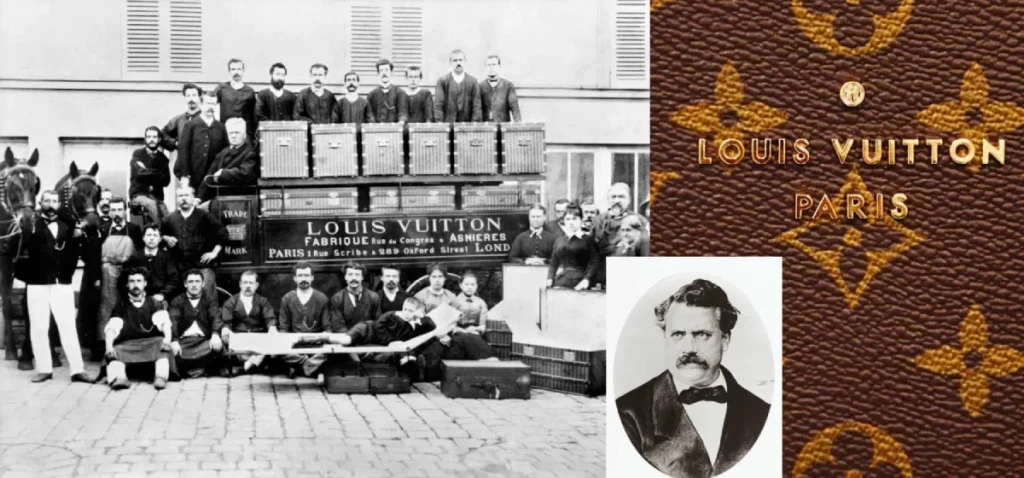
Paris, 1854. A young man named Louis Vuitton opens a small luggage shop. His goal? To create travel-friendly, flat-topped trunks that could be easily stacked.
Little did he know, he laid the foundation for a global fashion empire.
But here’s the kicker: the iconic LV monogram we know today? It didn’t exist yet.

The Genesis of the LV Monogram
Fast forward to 1896. Louis Vuitton has passed away, and his son, Georges Vuitton, is at the helm. He faces a problem: counterfeiters are copying their designs left and right.
His solution? Create a distinctive, intricate pattern that would be nearly impossible to replicate.
And thus, the LV monogram was born.

Let’s break it down:
- The interlocking L and V
- The floral pattern (inspired by the trend of Japanese and Oriental designs in the late Victorian era)
- The quatrefoils
- The four-petal flowers
Each element was carefully crafted to create a beautiful and functional pattern as an anti-counterfeiting measure.
Genius, right?
Deconstructing the Louis Vuitton Logo
The Power of Simplicity
Here’s the thing about the LV logo: it’s simple. But don’t mistake simplicity for lack of thought.
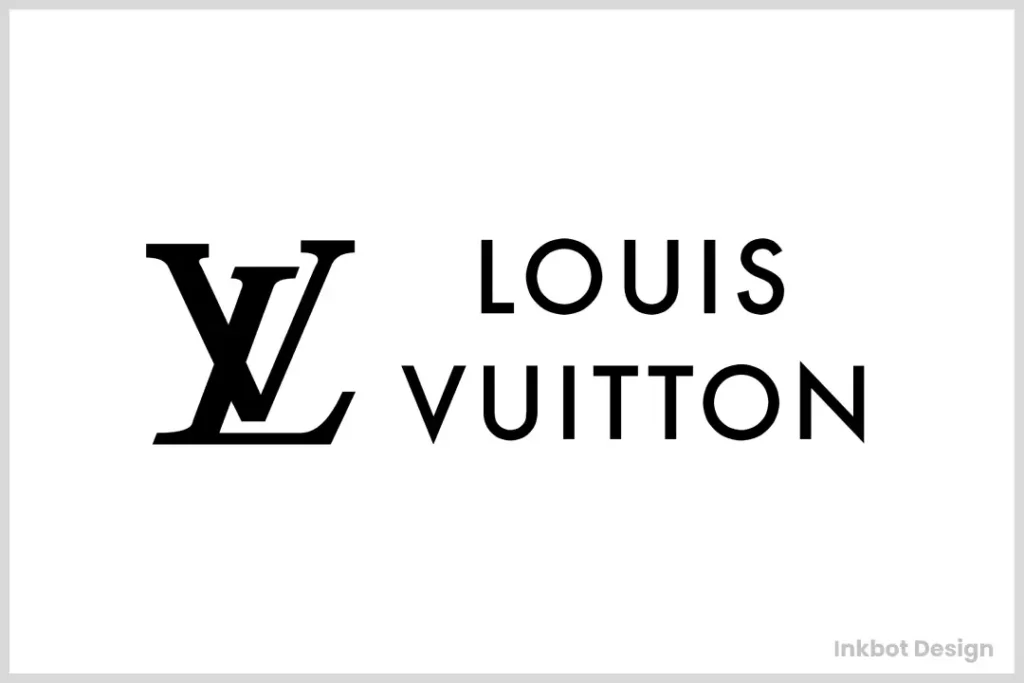
The interlocking L and V are a masterclass in negative space usage. The letters are perfectly balanced, creating a symbol that’s instantly recognisable, whether blown up on a billboard or shrunk down on a zipper pull.
Colour Psychology: Why Brown and Gold?
Have you ever wondered why Louis Vuitton sticks to that classic brown and gold colour scheme?
It’s not just because it looks fancy (although it does).
- Brown: Represents earthiness, reliability, and durability. Perfect for a brand that started with travel trunks.
- Gold: Symbolises luxury, prestige, and timelessness.
Together, they create a visual shorthand for “luxury that lasts”. Clever, eh?
Typography: More Than Just Letters
The LV logo isn’t just about the monogram. The full logotype “Louis Vuitton” is just as important.
It uses a custom serif font that exudes elegance and tradition. The letterforms are well-spaced, creating a sense of airiness and exclusivity.
Pro tip: Don’t just focus on the symbol when designing a logo. The typography can be just as powerful in conveying your brand’s personality.
The Evolution of the Louis Vuitton Logo
Consistency is Key (But Don’t Be Afraid to Play)
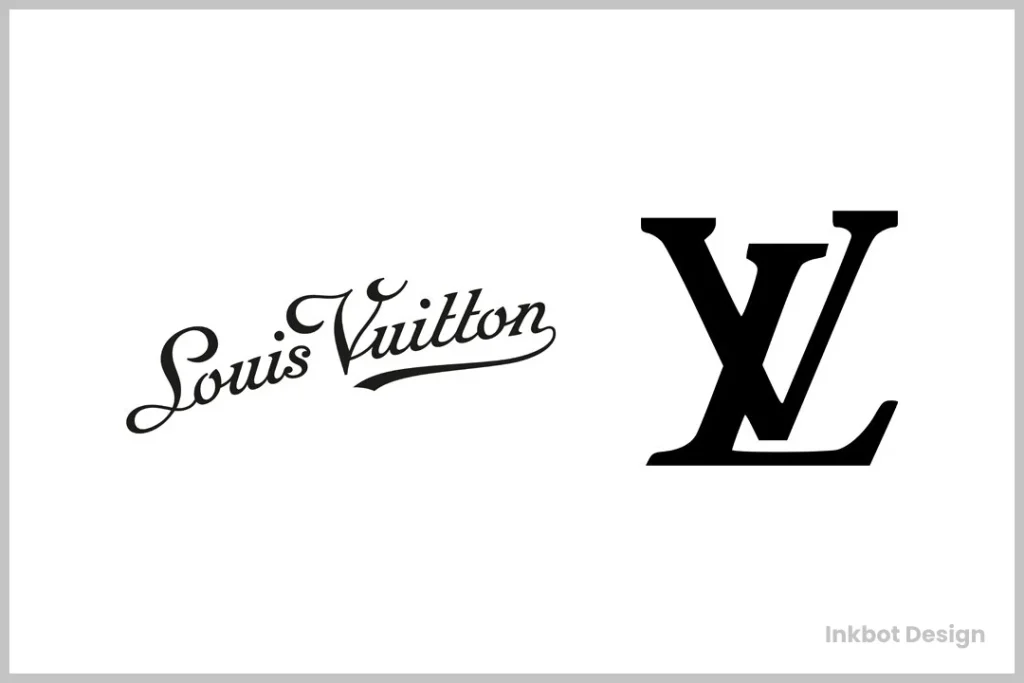
Here’s where it gets interesting. The core LV monogram has remained essentially unchanged since 1896. That’s over 125 years of consistent branding!
But Louis Vuitton isn’t afraid to play with their iconic design:
- Multicolour Collection (2003): Designed by Takashi Murakami, this vibrant reinterpretation breathed new life into the classic monogram.
- Stephen Sprouse Collaboration (2001): Graffiti-style text overlaid on the traditional pattern, blending high fashion with street art.
- Yayoi Kusama Partnership (2012): Polka dots met monogram in this playful collection.
Each of these collaborations respected the core identity while pushing creative boundaries.
The lesson? Consistency builds recognition, but calculated risks keep your brand fresh and exciting.
Impact on Brand Recognition and Value
The Numbers Don’t Lie
Let’s talk cold, hard cash for a moment.
According to Interbrand’s Best Global Brands 2023 report, Louis Vuitton’s brand value is $124 billion. That’s a 17% increase from the previous year.
In 2023, LVMH (Louis Vuitton’s parent company) reported revenue of €79.2 billion. Louis Vuitton itself? It contributes about 20% of that.
It’s not too shabby for a company that started selling trunks, right?
Beyond the Bottom Line: Cultural Impact
But the LV logo’s impact goes beyond financial statements. It’s become a cultural icon in its own right.
- It’s a status symbol, instantly communicating luxury and exclusivity.
- It’s a frequent subject in art, from Andy Warhol’s paintings to contemporary street art.
- It’s been celebrated and criticised, sparking discussions about consumerism and luxury.
Love it or hate it, you can’t ignore it. And that’s the power of genuinely iconic branding.
Lessons for Your Logo Design

All right, let’s get practical. What can you learn from LV’s logo success for your brand?
1. Simplicity is Sophisticated
The LV monogram is simple enough to be recognisable at a glance yet complex enough to be interesting. Aim for that sweet spot.
2. Think Long-Term
Louis Vuitton created a logo that’s lasted over a century. When designing, ask yourself: “Will this still look good in 10, 20, 50 years?”
3. Make it Versatile
The LV logo works on everything from tiny bag clasps to massive storefronts. Ensure your logo is scalable and works in various contexts.
4. Tell a Story
Every element of the LV logo has meaning. What story does your logo tell about your brand?
5. Be Consistent (But Not Boring)
Stick to your core design, but be bold and play with it for special collections or collaborations.
Creating Your Iconic Logo (Without Breaking the Bank)
Now, I know what you’re thinking. This is all great, but I don’t have Louis Vuitton’s resources!
Fair point. But here’s the thing: creating an iconic logo isn’t about how much money you spend. It’s about the thought and creativity you put into it.
When I started Inkbot Design, I was working with a shoestring budget. But that constraint forced me to be creative. Here’s what I learned:
- Start with Research: Understand your brand’s values, target audience, and competition. This doesn’t cost a penny but provides invaluable insight.
- Sketch, Sketch, Sketch: Before touching digital tools, sketch your ideas on paper. It’s free, fast, and helps you explore multiple concepts quickly.
- Keep it Simple: Remember, some of the world’s most recognisable logos (think Apple or Nike) are straightforward.
- Use Free Tools: Platforms like Canva or Figma offer free versions that can create professional-looking logos.
- Get Feedback: Show your designs to friends, family, and potential customers. Their input can be invaluable.
- Iterate: Don’t expect to nail it on the first try. Be prepared to refine and improve your design over time.
Remember, Nike’s iconic swoosh was initially purchased for just $35. It’s not about the price tag; it’s about the concept and execution.
The Future of Logo Design: Trends and Predictions

As we wrap up our deep dive into the Louis Vuitton logo, let’s take a moment to look forward. What’s next in the world of logo design?
1. Adaptable Logos
With the rise of digital platforms, logos must be more flexible than ever. We’re seeing a trend towards logos that can shape-shift to fit different contexts while maintaining their core identity.
2. Minimalism Continues to Reign
The “less is more” philosophy isn’t going anywhere. Simple, clean designs that work well across all mediums will continue to be popular.
3. Retro and Nostalgic Designs
What’s old is new again. We’re seeing a resurgence of logos inspired by vintage aesthetics, appealing to consumers’ nostalgia.
4. Animated Logos
As digital platforms become more sophisticated, animated logos are becoming more common. They add an extra layer of engagement and can dynamically tell a brand’s story.
5. Sustainable and Eco-Friendly Themes
As consumers become more environmentally conscious, we see more logos incorporating natural elements or sustainable themes.
Conclusion: Your Logo, Your Legacy
The Louis Vuitton logo isn’t just a design; it’s a legacy. It’s a testament to the power of thoughtful, strategic branding.
But here’s the thing: You don’t need to be a 150-year-old luxury brand to create a powerful logo. You just need to understand your brand, your audience, and the principles of good design.
Whether you’re a startup founder sketching ideas on a napkin or a marketing manager looking to refresh your brand, remember this: your logo is often the first thing people see. Make it count.
Ready to create your iconic logo? Or you can give your existing logo a Louis Vuitton-level makeover.
Don’t let budget constraints hold you back. With creativity, research, and the right approach, you can create a logo that stands the test of time – just like that famous LV monogram.
And if you need a hand? Well, that’s what we’re here for at Inkbot Design. We may not be Louis Vuitton, but we know something about creating logos that make an impact.
So, what’s your brand’s story? And how are you going to tell it through your logo?
FAQs
How much did the original Louis Vuitton logo cost to design?
The exact cost is unknown, but Georges Vuitton designed it in-house in 1896, likely at minimal external cost.
Has the Louis Vuitton logo ever changed?
The core monogram has remained unchanged since 1896, but LV has created variations for special collections and collaborations.
Why is the Louis Vuitton logo so effective?
Its simplicity, versatility, and rich history make it instantly recognisable, and it is associated with luxury and quality.
Can I use the LV monogram pattern in my designs?
No, the LV monogram is a registered trademark and using it without permission could result in legal action.
How often should a company update its logo?
There’s no set rule, but major rebrands typically occur every 7-10 years, with minor updates more frequently.
Is it true that the Louis Vuitton logo was designed to prevent counterfeiting?
The intricate design was partly created to make it difficult for counterfeiters to replicate.
How important is colour in logo design?
Colour is crucial as it evokes emotions and affects brand perception. LV’s brown and gold scheme signifies luxury and durability.
Can a good logo increase a company’s value?
Absolutely. A strong logo contributes to brand recognition and loyalty, which can significantly impact a company’s value.
How long does designing a logo like Louis Vuitton’s typically take?
While the design time varies, developing an iconic logo often involves months of research, conceptualisation, and refinement.
Is it better to design a logo in-house or hire a professional?
While in-house design can work, professional designers bring expertise in creating timeless, compelling logos that align with brand strategy.