Poor Packaging Design: The Silent Profit Killer
Have you ever unboxed a product and felt a wave of immediate regret? Perhaps the box was unnecessarily massive, the plastic was impossible to pierce, or the item arrived shattered because it was rattling around in a sea of “air.”
You aren’t alone. In 2026, poor packaging design is no longer just a minor marketing oversight; it is a systemic drain on the global economy, costing brands an estimated $40 billion annually in preventable returns, shipping surcharges, and regulatory penalties.
While most leadership teams obsess over Customer Acquisition Cost (CAC) and conversion rate optimisation, they often ignore the physical touchpoint that determines Customer Lifetime Value (LTV): the package.
Your packaging is your “silent salesperson,” yet for many businesses, it’s actively sabotaging the bottom line.
In this guide, we move beyond “pretty boxes” to look at the cold, hard metrics of packaging failure.
We will explore how Dimensional (DIM) Weight is inflating your logistics costs, why the 2026 UK Plastic Packaging Tax has made “cheap” materials expensive, and how the psychology of haptics can either build brand equity or trigger “wrap rage” that destroys your reputation on social media.
If you want to protect your margins and future-proof your brand against the rising tide of Extended Producer Responsibility (EPR) laws, you must stop treating packaging as an afterthought. It is time to treat your design as a financial asset.
- Poor packaging inflates costs through DIM weight, returns, and regulatory fees, silently eroding profit margins.
- Design must balance protection, accessibility, and recyclability to meet ISTA tests, EPR rules, and customer expectations.
- Sustainability and smart features (DPP, NFC) are now essential for compliance, brand trust, and future-proofing sales.
The Real Cost of Poor Packaging Design
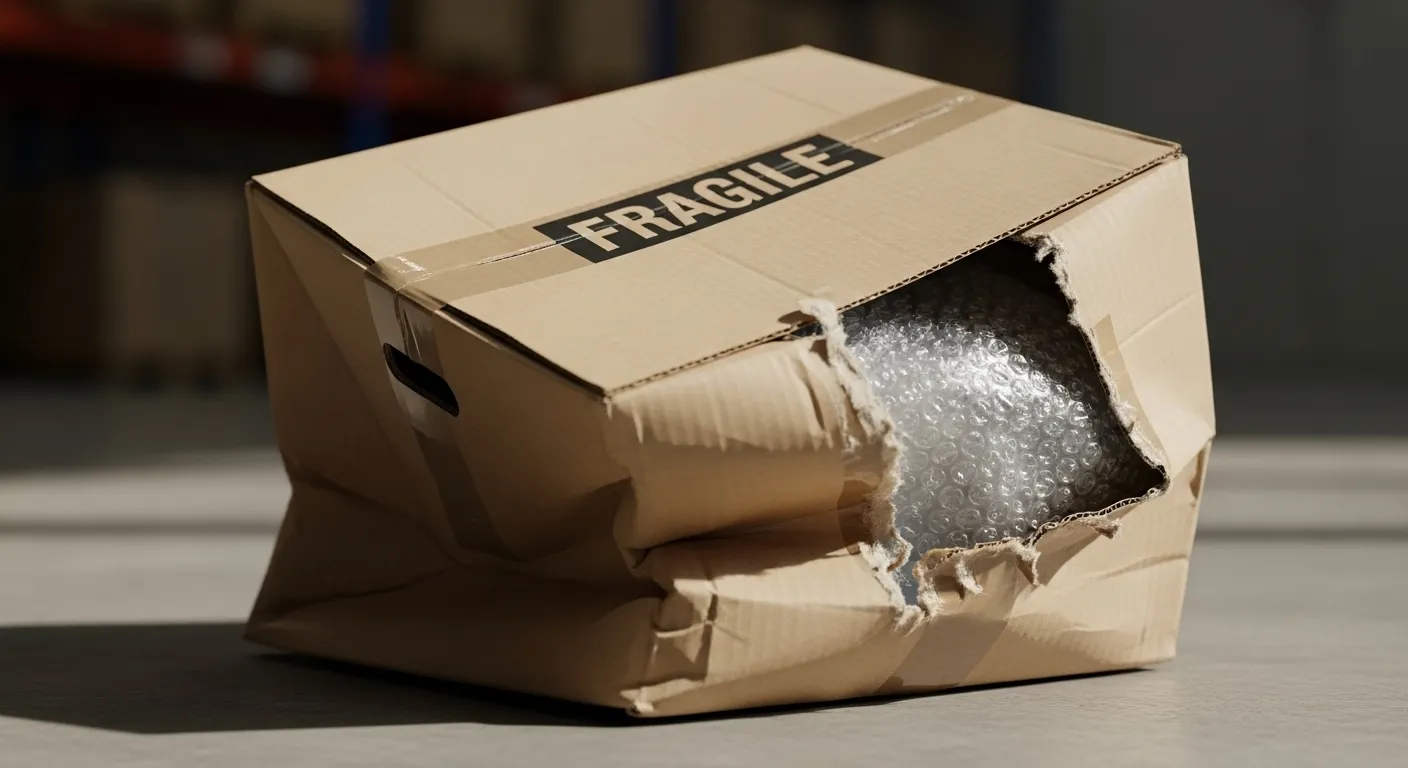
In 2026, the definition of “poor packaging” has shifted from an aesthetic failure to a regulatory liability.
If your packaging design does not account for the UK Plastic Packaging Tax (PPT) or the Extended Producer Responsibility (EPR) framework, your profit margins are being eroded by the state before the customer even sees the product.
As of 2026, the PPT applies to plastic packaging produced in or imported into the UK that contains less than 30% recycled plastic. The rate has been adjusted to account for inflation and now represents a significant overhead for high-volume retailers.
Poor design that relies on virgin plastics or non-recyclable multi-material laminates (like foil-lined plastic pouches that cannot be separated) triggers these higher tax brackets.
Furthermore, Extended Producer Responsibility (EPR) legislation now requires businesses to pay the full cost of managing their packaging once it becomes waste. This is a “polluter pays” principle.
If your design is bulky, difficult to recycle, or uses excessive “void fill,” your EPR fees will be significantly higher than a competitor using a “right-sized” mono-material approach.
Key Compliance Checklist:
- Recycled Content: Does your plastic packaging meet the 30%+ Post-Consumer Recycled (PCR) threshold?
- Material Simplification: Are you using mono-materials (e.g., all-polyethene) to ensure easy kerbside recycling?
- Data Reporting: Do you have the weight and material breakdown ready for your annual EPR return?
The 7 Deadly Sins of Packaging Design
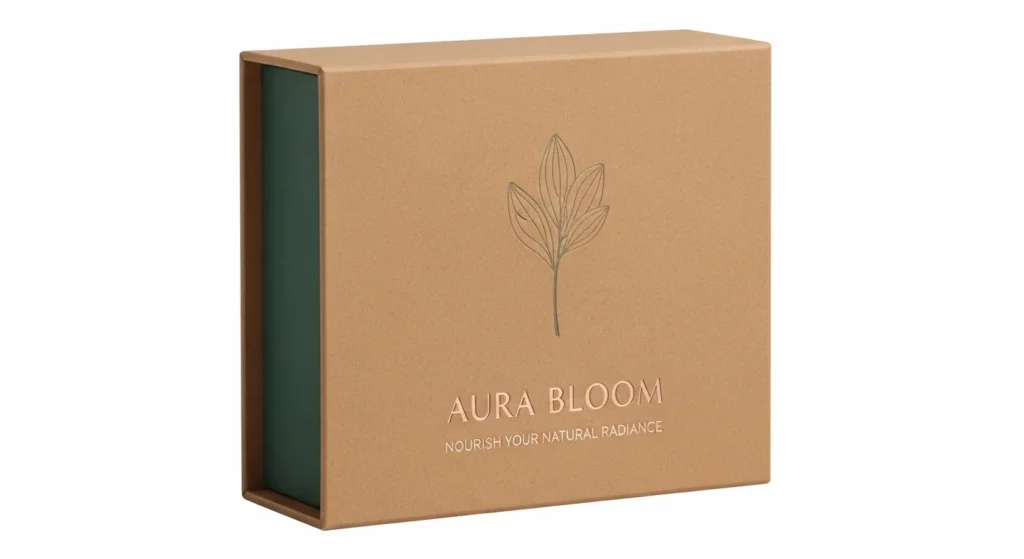
So, what exactly constitutes “poor packaging design”?
Let’s break it down into the “7 Deadly Sins of Packaging Design”.
1. Overpackaging: The Environmental Nightmare
Overpackaging is like showing up to a casual dinner in a tuxedo. It’s excessive, unnecessary, and makes everyone uncomfortable.
- It wastes resources
- Increases shipping costs
- Frustrates environmentally conscious consumers
A 2023 study by the Environmental Protection Agency found that packaging accounts for 28% of municipal solid waste.
That’s not just bad for the planet—it’s terrible for your brand image.
2. Engineering for the “Last Mile”: Moving Beyond “Good Enough”
Underpackaging is a mathematical failure, not just a lack of bubble wrap.
To truly eliminate the “silent killer” of damaged goods, businesses must design for the International Safe Transit Association (ISTA) standards.
The most common cause of profit loss is a failure to account for the “last mile” of delivery—the chaotic journey from a local sorting hub to a customer’s doorstep.
The ISTA 1A Drop Test Protocol
Before a product is launched, the packaging must survive a rigorous simulation of the supply chain. A professional design audit includes the ISTA 1A test, which involves:
- Vibration Testing: Simulating the constant movement of a delivery van for 60 minutes.
- Drop Testing: Dropping the packaged product from a height determined by its weight (usually 30 inches for products under 10kg) onto all six sides, three edges, and one corner.
If your design fails at the “corner drop,” it doesn’t matter how beautiful the graphics are; you are effectively shipping a future refund.
In 2026, high-performing brands use Finite Element Analysis (FEA) software to simulate these stresses digitally before a single prototype is cut. This reduces material waste and ensures that every gram of corrugated cardboard performs its intended function.
Common Protection Failure Points:
- Adhesive Fatigue: Using low-grade tape that loses its grip in humid sorting centres.
- Compressive Strength: Designing boxes that can’t be stacked more than two high without the bottom one buckling.
- Internal Migration: Not securing the product inside the box, allowing it to act as its own “wrecking ball” during transit.
3. Poor Functionality: The User Experience Disaster
Have you ever tried opening a package and needed a chainsaw?
That’s poor functionality.
- Frustrates customers
- This leads to negative reviews
- Decreases repeat purchases
A study by Package InSight found that 40% of consumers have injured themselves trying to open packaging.
That’s not just bad design—it’s borderline criminal.
4. Lack of Brand Consistency: The Identity Crisis
Your packaging is often the first physical interaction a customer has with your brand.
You send mixed messages if it doesn’t align with your brand identity.
- Confuses customers
- Weakens brand recognition
- Reduces perceived value
According to a report by Lucidpress, consistent branding across all channels can increase revenue by up to 23%.
That’s a significant chunk of change you leave on the table with inconsistent packaging.
5. Information Overload: The Confusion Generator
Trying to cram every bit of information onto your packaging is like teaching someone calculus in 30 seconds.
- Overwhelms customers
- Obscures key information
- Reduces purchase likelihood
A study in the Journal of Consumer Research found that excessive information on packaging can decrease purchase intent by up to 30%.
Sometimes, less really is more.
6. Ignoring Accessibility: The Exclusion Blunder
Accessibility isn’t just about being inclusive—it’s about expanding your market.
- Alienates potential customers
- It opens you up to legal issues
- Damages brand reputation
According to the World Health Organisation, over 1 billion people globally live with some form of disability.
That’s a massive market you’re potentially excluding with inaccessible packaging.
7. Copycat Design: The Originality Vacuum
Mimicking your competitors’ packaging might seem like a safe bet, but it’s a fast track to invisibility.
- Blends into the crowd
- Fails to differentiate your product
- This can lead to legal issues
A Nielsen study found that distinctive packaging can increase brand recognition by up to 70%.
Stand out or get left behind.
8. Deceptive Design: The Trust Breaker
This one should be obvious, but you’d be surprised how many companies get this wrong.
Deceptive design is basically lying to your customers with your box.
It’s a con.
Ever opened a massive bag of crisps to find it’s mostly air and disappointment?
That’s “slack-fill,” and it’s a one-way ticket to infuriating your customers and making you look like a cheapskate.
- Makes customers feel properly cheated
- Destroys any brand trust you’ve built, instantly
- Attracts the wrong kind of attention from regulators like the Advertising Standards Authority (ASA)
Don’t just take it from me.
A 2021 study in the Journal of Business Ethics found that people see slack-fill as straight-up unethical. No shock there.
And when they feel cheated, they don’t just get annoyed and write a bad review. They walk. And they tell their mates you’re a rip-off.
The Psychology of Packaging: Why It Matters More Than You Think

Now, let’s dive into why packaging profoundly impacts consumer behaviour.
It’s not just about looks—it’s about psychology.
The First Impression Phenomenon
You’ve heard the saying, “Don’t judge a book by its cover”.
Well, consumers do precisely that with products.
A Paper and Packaging Board study found that 72% of consumers agree that packaging design influences purchasing decisions.
That first glance at your packaging triggers a cascade of psychological responses:
- Visual appeal activates the reward centres in the brain
- Colour choices evoke specific emotions and associations
- Shape and texture create tactile expectations
This happens in a fraction of a second before the conscious mind registers the product name.
The Trust Factor
Packaging isn’t just about attracting attention—it’s about building trust.
- High-quality packaging signals a high-quality product
- Transparent packaging (literally and figuratively) builds credibility
- Eco-friendly packaging appeals to values-driven consumers
A 2023 study by Ipsos found that 75% of consumers say product packaging affects their perception of a brand’s quality.
That’s three-quarters of your potential customers judging your entire brand based on a box or a bottle.
Beyond Sight: The Haptics and Acoustics of Design
We often focus on the visual “shelf appeal,” but poor packaging design is frequently a sensory failure.
In the luxury sector, the “sound” and “feel” of a package are just as important as the logo. This is known as Sensory Branding.
- The Acoustic Signature: High-end brands like Apple or Samsung engineer the “hiss” of air escaping a box as it slides open. A cheap, corrugated “crunch” or the screech of low-grade plastic shrink-wrap sends a subconscious signal of low value.
- Haptic Feedback: The texture of the paper (e.g., soft-touch laminate vs. rough uncoated stock) influences the perceived quality of the product inside.
- Combatting “Wrap Rage”: This is a quantified metric in 2026. “Wrap rage” occurs when packaging is so difficult to open that it requires tools or excessive force. This leads to Inclusion Exclusion. If an elderly customer or someone with limited dexterity cannot open your product without a knife, your design has failed.
Inclusive Design Checklist:
- Pull Tabs: Are they large enough to grip?
- Perforations: Do they actually tear, or do they rip the box?
- High Contrast: Is the opening instruction visible to those with visual impairments?
Real-World Packaging Wins: Learning from the Best
Look at some brands that have nailed their packaging design and reaped the rewards.
Apple: The Master of Minimalism

Apple’s packaging is legendary for a reason.
- Clean, simple design
- High-quality materials
- Carefully choreographed unboxing experience
The result?
- Enhances the perceived value of products
- Creates a sense of occasion around each purchase
- Encourages social sharing and word-of-mouth marketing
According to a report by Shorr Packaging, 40% of consumers say they would share an image of a delivery on social media if it came in a unique, branded, or gift-like box.
Apple’s packaging ticks all these boxes.
Lush Cosmetics: The Champion of Sustainability
Speaking of brands that just get it, let’s talk about Lush. They are on a whole other level.
Their whole game is built on a packaging strategy that’s completely different from everyone else on the high street.
How? By getting rid of it.
Loads of their best-selling products are sold “naked”. That means no box, no wrapper, nothing. Just the product.
It’s brave, and it works.
And when they do use packaging, it’s iconic. Think of their signature black pots, all made from 100% post-consumer recycled plastic.
But here’s the masterstroke, the real genius of it. This isn’t some token green effort. It’s the core of their brand identity. It speaks directly to their audience who genuinely care about this stuff. And they’ve turned it into a killer loyalty scheme that other brands can only dream of.
Bring back five empty black pots, and you get a free fresh face mask.
Simple.
They’re not just selling bath bombs. They’re selling a belief system and rewarding customers for being part of it. They’ve gamified recycling. That’s how you build a tribe that will defend you to the death.
Coca-Cola: The Personalisation Pioneer

Coca-Cola’s “Share a Coke” campaign is a masterclass in personalised packaging.
- Replaced logo with popular names
- Created a sense of individual connection
- Encouraged social sharing
The results were staggering:
- Increased Coca-Cola consumption from 1.7 to 1.9 servings per household
- Boosted Facebook traffic by 870%
- Drove a 2% increase in sales
All from a simple packaging tweak.
Glossier: The Instagram Darling
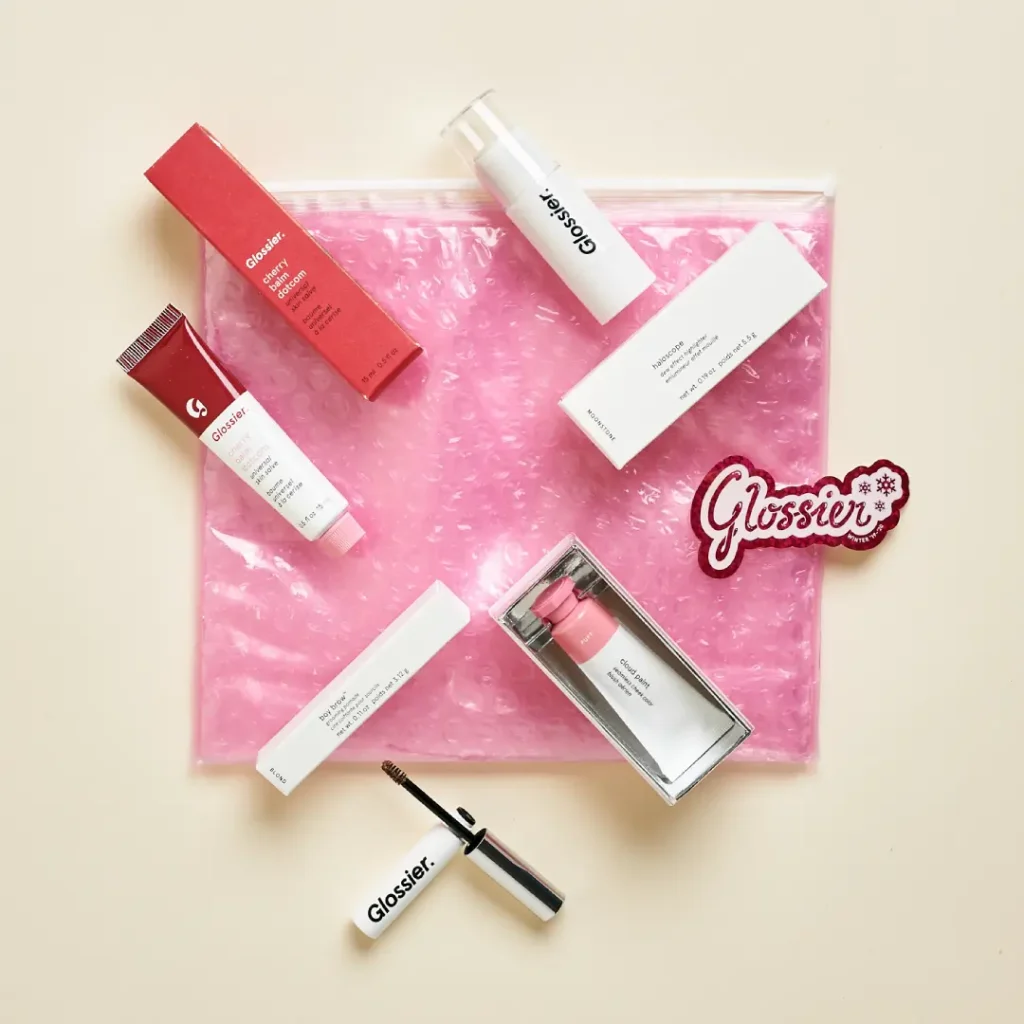
Glossier’s packaging is designed for the social media age.
- Minimalist, Instagram-friendly design
- Reusable pink bubble wrap pouches
- Stickers for personalisation
The impact?
- Peer-to-peer recommendations drive 70% of online sales
- 1 million followers on Instagram
- Valued at over $1 billion in 2023
Proof that packaging must look good on shelves and screens in the digital age.
The Future of Packaging Design: Trends to Watch
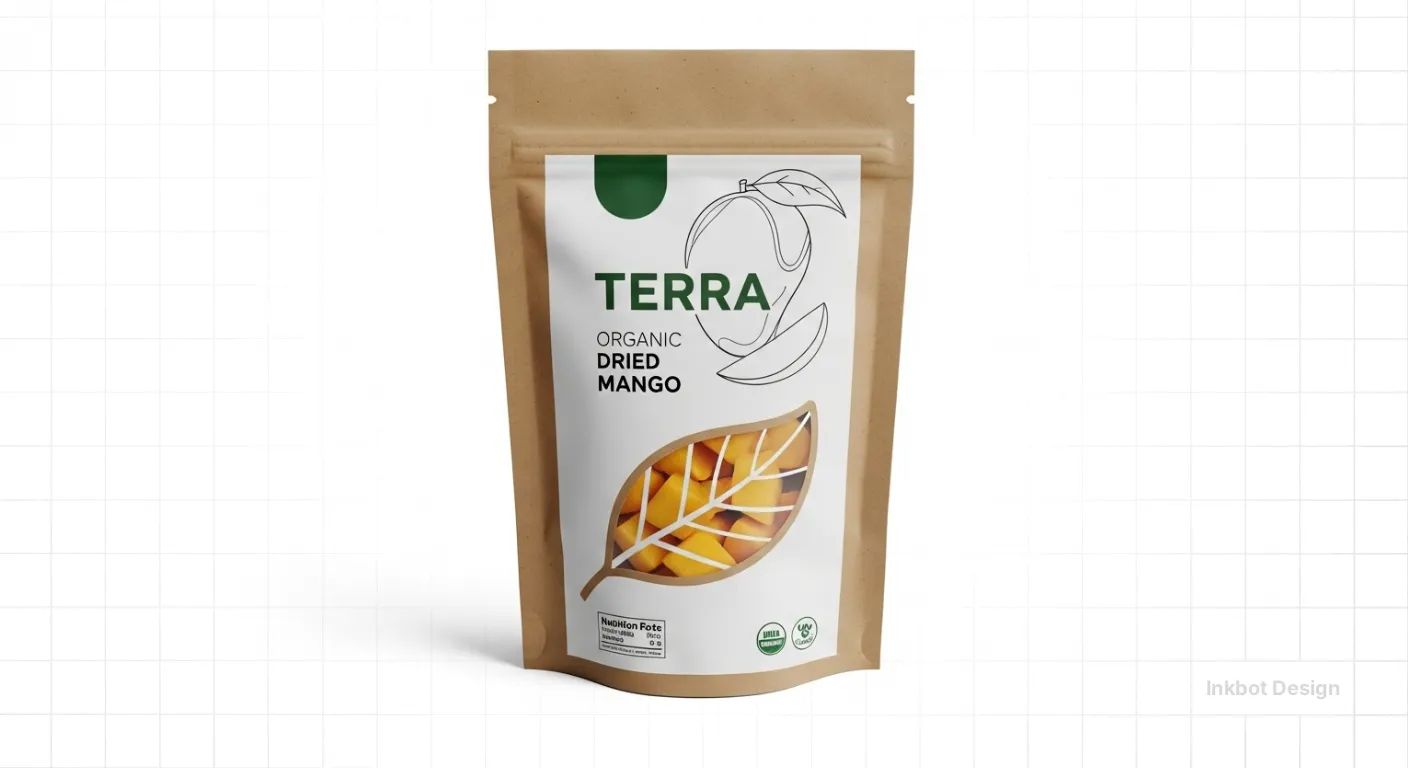
Several key trends are shaping the packaging design world as we look to the future.
1. Sustainability: The New Normal
Eco-friendly packaging isn’t just a nice-to-have—it’s becoming a must-have.
- Biodegradable materials
- Minimal packaging
- Recycled and recyclable components
According to a 2023 McKinsey report, 60-70% of consumers say they would pay more for sustainable packaging.
It’s not just good for the planet—it’s good for business.
Sustainable Materials 2026
| Material Type | Profit Impact (Cost) | Environmental Impact | Ideal Use Case | The “Poor Design” Trap |
| Mushroom Packaging (Mycelium) | High (Premium) | Carbon Negative | Luxury electronics / Fragile ceramics | Using it for low-margin goods with a cost-to-weight ratio that’s too high. |
| Seaweed-based Film | Medium | Home Compostable | Food / Single-use sachets | Failing to test moisture barriers leads to a soggy product. |
| Recycled Cardboard (PCR) | Low | High (if 100% recycled) | General eCommerce | Ignoring the “burst strength” – recycled fibres are shorter and weaker. |
| Bioplastics (PLA) | Medium | Variable (Industrial Compost) | Cosmetics / Rigid containers | Marketing as “Green” when it requires specific industrial facilities to rot. |
2. Smart Packaging: The Tech Revolution
Technology is transforming packaging from passive to active.
- NFC chips for product authentication
- QR codes for additional information
- Thermochromic inks for temperature indication
A study by Smithers predicts that the smart packaging market will reach $46.7 billion by 2024.
It’s a brave new world, and packaging is leading the charge.
3. Personalisation at Scale: The Mass Customisation Movement
Advances in digital printing are making mass customisation a reality.
- Variable data printing for personalised labels
- On-demand packaging production
- AI-driven design customisation
According to a Deloitte report, 20% of consumers who express interest in personalised products are willing to pay a 20% premium.
That’s a significant opportunity for brands willing to invest in personalised packaging.
4. Digital Product Passports (DPP): The 2026 Transparency Standard
The most significant shift in packaging design for 2026 is the integration of Digital Product Passports (DPP).
Under new EU and UK directives, packaging is no longer just a container; it is a data carrier.
A DPP is a digital record accessible via a QR code or NFC chip on the packaging that provides customers and recyclers with detailed information about the product’s lifecycle.
What a DPP-Ready Design Includes:
- Material Origins: Where the raw materials were sourced (e.g., FSC-certified forests).
- Recyclability Instructions: Hyper-local guidance on how to dispose of each component.
- Repairability Data: Links to manuals and spare parts that extend the product’s life.
- Carbon Footprint: The total $CO_2e$ generated from production to shelf.
Poor packaging design in 2026 ignores this digital real estate.
By failing to include a scannable DPP, brands risk being delisted from major European marketplaces and alienating “Generation Alpha” consumers who demand radical transparency.
Smart packaging isn’t a gimmick; it’s a legal and social requirement for brand trust.
Action Plan: Transforming Your Packaging Design
So, how do you take all this information and turn it into action?
Here’s a step-by-step plan to revolutionise your packaging design:
- Audit Your Current Packaging
- Assess durability, functionality, and aesthetic appeal
- Gather customer feedback
- Analyse competitor packaging
- Define Your Packaging Goals
- Identify critical areas for improvement
- Set measurable objectives (e.g., reduce damage rates by 50%)
- Align packaging goals with overall brand strategy
- Invest in Professional Design
- Hire experienced packaging designers
- Conduct market research to inform design choices
- Develop multiple concepts for testing
- Test, Test, Test
- Conduct focus groups for consumer feedback
- Run A/B tests with different designs
- Perform durability and shipping tests
- Implement Gradually
- Start with a small product line or limited-release product
- Gather real-world data and feedback
- Refine and adjust based on results
- Monitor and Iterate
- Track critical metrics (sales, returns, customer feedback)
- Stay informed about new packaging technologies and trends
- Continuously refine and improve your packaging design.
Remember, packaging design isn’t a one-and-done process. It’s an ongoing journey of improvement and innovation.
The Bottom Line: Packaging is Your Silent Salesperson
Your packaging is often the first and last interaction a customer has with your product.
It’s your 24/7 salesperson, brand ambassador, and product protector all rolled into one.
Ignore it at your peril.
Invest in it wisely, and watch your profits soar.
Because, in the end, it’s not just about selling a product.
It’s about creating an experience.
An experience that begins the moment a customer lays eyes on your packaging.
Make it count.
Frequently Asked Questions (FAQs)
How does poor packaging design impact my carbon footprint?
Poor design leads to “over-packaging,” which increases the weight and volume of shipments. This requires more fuel for transport. Additionally, if a product is damaged due to “under-packaging,” the carbon cost is doubled because a replacement must be sent, and the original item often ends up in a landfill.
What is “Slack-fill” and why is it considered poor design?
Slack-fill is the intentional or unintentional empty space in a package. While some “headspace” is needed to protect products like crisps, excessive slack-fill is seen as deceptive by 2026 consumers. Regulators now monitor the “product-to-package ratio” to prevent environmental waste.
Can I use AI to improve my packaging design?
Yes. In 2026, AI is used for Generative Design, where algorithms suggest the strongest box structure using the least amount of material. AI also helps in “Eye-Tracking Simulation” to see which parts of your packaging customers look at first.
What are the most common accessibility failures in packaging?
The most common failures include “clamshell” plastic heat-seals that require scissors, tiny “peel-and-reseal” tabs that lack grip, and 6pt font sizes on essential safety or dosage information.
How do I transition to sustainable packaging without increasing costs?
The most effective way is “Right-Sizing.” By reducing the dimensions of your box to eliminate void fill, the savings in shipping costs (DIM weight) often completely offset the higher cost of premium sustainable materials like FSC-certified cardboard or compostable mailers.
What’s the biggest mistake companies make with packaging design?
Overcomplicating things. Many companies try to cram too much information or design elements onto their packaging. Remember, simplicity often has the most impact.
How important is packaging for eCommerce products?
Extremely important. In eCommerce, your packaging is often the first physical interaction a customer has with your brand. It must protect the product during shipping, create a positive unboxing experience, and reinforce your brand identity.
Can I design my own packaging, or should I hire a professional?
While designing your packaging is possible, hiring a professional is often worth the investment. They bring expertise in design principles, manufacturing processes, and industry trends that can significantly improve your packaging’s effectiveness.
How do I balance aesthetics with functionality in packaging design?
Start with functionality as your foundation. Ensure your packaging adequately protects and presents your product. Then, work on aesthetics within those functional constraints. The best packaging seamlessly blends form and function.
What role does packaging play in brand identity?
Packaging is a crucial part of your brand identity. It should visually align with your other brand elements and communicate your brand values. Consistent, well-designed packaging helps build brand recognition and loyalty.
How can I make my packaging more accessible?
Consider easy-open features, clear and large print for important information, and tactile elements for the visually impaired. Also, ensure any warnings or usage instructions are prominently displayed and easily understood.
What emerging technologies should I be aware of in packaging design?
Keep an eye on smart packaging technologies like NFC chips and QR codes, and advancements in sustainable materials. Augmented reality is also becoming increasingly popular for creating interactive packaging experiences.