The 5 Key Stages of the Branding Process Explained
Most entrepreneurs get it wrong.
They believe branding starts with a logo. They rush to a designer with a vague idea, spend a few hundred quid, and slap the result on a website.
Then they wonder why nobody “gets” them. Why don’t they attract the right customers? They’re competing on price.
Here’s the unvarnished truth: Your brand is not your logo. Your logo is just an avatar for your brand.
A proper branding process isn’t a creative whim. It’s a rigorous, five-stage strategic framework that builds a resilient, valuable business asset. Skipping a stage isn’t a shortcut; it guarantees you’ll get lost.
This is that map. Let’s walk through the five non-negotiable stages.
- A strong brand starts with thorough research, not just a logo; it lays the foundation for future stages.
- Strategic choices define your brand's mission, vision, and unique position in the market.
- Identity design translates strategy into tangible elements like logos and visual aesthetics.
- Implementation ensures brand consistency across all customer touchpoints for effective recognition.
- Continuous management and evolution are essential to maintain brand relevance and integrity over time.
Stage 1: Discovery & Research – Stop Guessing, Start Knowing
This is the least glamorous stage, so many people skip it. It’s also the most critical. Getting this wrong makes every subsequent stage a waste of time and money.

The Goal: Uncover the Truth
The entire point of the Discovery phase is to build a foundation of objective facts. It’s about systematically stripping away the founder’s assumptions and biases to see the landscape for what it truly is.
Key Activities: What You Actually Do
This isn’t about navel-gazing. It involves specific, fact-finding actions.
- Analyse the Business: Define clear, measurable business goals. Where do you want to be in 1 year? 5 years? How does the brand need to support that? A brand for a business aiming for a £50 million exit looks very different from one aiming for stable local profit.
- Interview Stakeholders: Talk to the founders, key employees, and existing customers. What do they believe the company stands for? You’ll be surprised by the lack of alignment.
- Analyse Competitors: Map out who you’re up against. What are their strengths? Where are their weaknesses? How do they talk to their customers? Your goal is to find the open space, the gap in the market that they aren’t filling.
- Research the Target Audience: Build a detailed profile of your ideal customer. Not just demographics (age, location), but psychographics (values, fears, aspirations, what they read, where they hang out online).
The Output: A Foundation of Fact
The deliverable from this stage is a concise research document. Call it a Brand Brief or a Discovery Report. It’s a short, clear summary of the market, the competition, the audience, and the business goals. It’s the single source of truth against which every future decision will be measured.
Running Example: Oak & Anvil’s Discovery
Imagine a startup, “Oak & Anvil,” making high-end, handcrafted leather goods. In discovery, they find their main competitors are mass-produced brands competing on price, using cheap materials. Their target customer isn’t a fashion-chaser; they’re a 30-something professional, a “discerning creator,” who values heritage, sustainability, and tools that last a lifetime. This single insight changes everything.
The Common Mistake: The “I Am The Customer” Trap
The most dangerous phrase in business is, “Well, I wouldn’t buy that.” This is the founder’s ego talking. You are not your target audience. Your personal preferences are irrelevant. Ignoring real data because you have a “gut feeling” is lazy, arrogant, and the fastest way to build a brand nobody wants. Do the work.
Stage 2: Strategy & Positioning – Defining Your Place in the World
With a foundation of facts from Stage 1, you can now make deliberate choices. Strategy is the act of saying “no.” It’s about choosing a specific hill to die on.
The Goal: Make Deliberate Choices
The objective is to use the research to define who you are, who you serve, and, most importantly, why you’re the only viable choice. It’s about drawing a line in the sand.
Key Activities: Building the Strategic Blueprint
This is where you translate raw data into a coherent plan.
- Define Your Purpose: Articulate your Mission (what you do) and Vision (why it matters). Go beyond “sell more products.” What’s the change you want to make?
- Craft Your Value Proposition: A simple statement that explains the tangible benefit you provide.
- Establish Brand Positioning: Write a single sentence defining your target audience, category, and key point of differentiation. The classic template is: “For [target audience], [your brand] is the [category] that [point of differentiation].”
- Develop Brand Personality & Voice: If your brand walked into a room, who would it be? Are you the wise mentor, the witty rebel, or the dependable carer? This defines your tone of voice—the words you use and how you use them. Brand Archetypes can be a handy tool here.
The Output: Your Brand’s Constitution
The deliverable is a Brand Strategy Document. This is your brand’s constitution. It outlines your positioning, core messaging pillars, brand personality, and tone of voice. From this point on, if an idea doesn’t align with this document, you don’t do it. Simple.
Running Example: Oak & Anvil’s Strategy
Based on their research, Oak & Anvil’s positioning becomes: “For discerning creators who value lifelong tools over disposable fashion, Oak & Anvil is the only handcrafted leather goods brand that guarantees its products for life.” Their personality is the “Craftsman”—knowledgeable, respectful, rugged, and honest. Their voice is direct, educational, and free of marketing fluff.
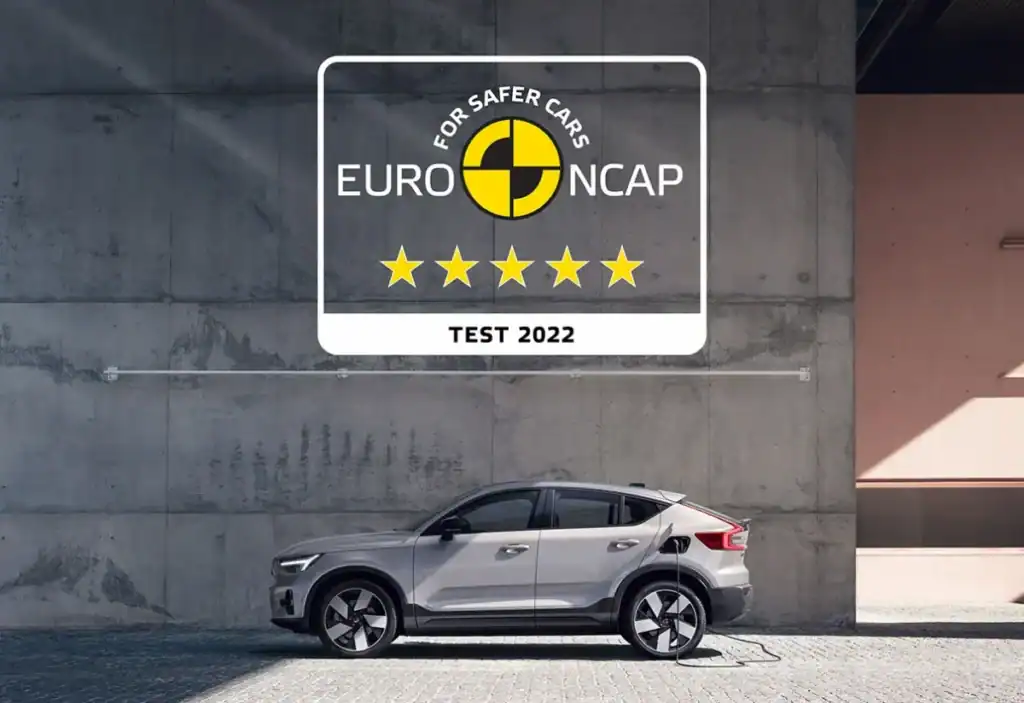
The Real-World Example: Volvo Owns “Safety”
For decades, Volvo has built its entire brand on the strategic pillar of safety. Every piece of engineering, advertisement, and design choice reinforces this idea. They don’t try to be the fastest or the sexiest. They are the safest. That is a strategic choice.
Stage 3: Identity Design – Giving Your Strategy a Face and Voice
Now, and only now, do we talk about logos.
This is the stage everyone thinks is “branding.” But notice it’s stage three. The design results from the research and strategy, not the starting point.

The Goal: Translate Strategy into Senses
The objective is to create the tangible, sensory cues—the visuals, the words, the feelings—that communicate your strategy instantly. You’re turning your brand’s constitution into something people can see, read, and recognise.
Key Activities: The Creative Expression
This is the bridge from abstract to concrete.
- Mood Boarding: A curated collection of images, textures, and colours to establish a clear aesthetic direction that aligns with the brand’s personality.
- Logo & Mark Design: Developing a unique, memorable, versatile logomark and logotype that visually represents the brand’s essence.
- Colour Palette Selection: Choosing a primary, secondary, and accent palette that evokes emotions and differentiates from competitors.
- Typography System: Selecting fonts for headlines, body copy, and accents that are legible and reflect the brand’s personality (e.g., a traditional serif vs. a modern sans-serif).
- Visual Elements: Defining a consistent photography, illustration, and iconography style.
The Output: The Brand Identity Toolkit
The deliverable is a full suite of brand assets. This includes the final logo files in all necessary formats, defined colour codes (CMYK, RGB, HEX), typography guidelines, and mockups showing the identity applied to key items like a website homepage or a piece of packaging.
This is the stage where strategy becomes tangible. Getting the brand identity right is critical; it’s the uniform your business will wear daily.
Running Example: Oak & Anvil’s Identity
The strategy called for “rugged, honest, heritage.” The design reflects this. The logo combines a stylised oak leaf (longevity) with an anvil (craftsmanship). The colour palette is earthy and natural—deep browns, forest greens, charcoal grey.
The primary font is a strong, traditional serif that feels established and trustworthy. Photography is rich and detailed, showing the product in use, not in a sterile studio.
The Common Mistake: “Make it Pop”
This is the most useless piece of feedback in the creative world. Subjective comments like “I don’t like that green” or “Can you make it more edgy?” derail the entire process. Why? Because they aren’t tied to the strategy.
Good feedback is objective. Instead of “I don’t like it,” try “Does this colour align with our brand personality of being ‘dependable and calm’ as defined in the strategy document?” Always, always tie design decisions back to the strategy.
Stage 4: Implementation & Launch – Bringing the Brand to Life
You have a strategy and an identity. Now you have to roll it out. A beautiful brand that lives only in a PowerPoint deck is worthless.
The Goal: Create a Cohesive Experience
The objective is to consistently apply the new brand identity across every touchpoint where a customer might interact with your business. Consistency is what builds recognition and trust.
Key Activities: Rolling It Out
This is a logistical exercise in attention to detail.
- Website Design: The digital flagship of the brand.
- Packaging: The first physical interaction a customer has with the product.
- Marketing Collateral: Business cards, brochures, email signatures, presentation templates.
- Social Media Profiles: Avatars, banners, and post templates that are instantly recognisable.
- Launch Campaign Planning: How will you introduce the new brand to the world?
The Output: The Brand Guidelines
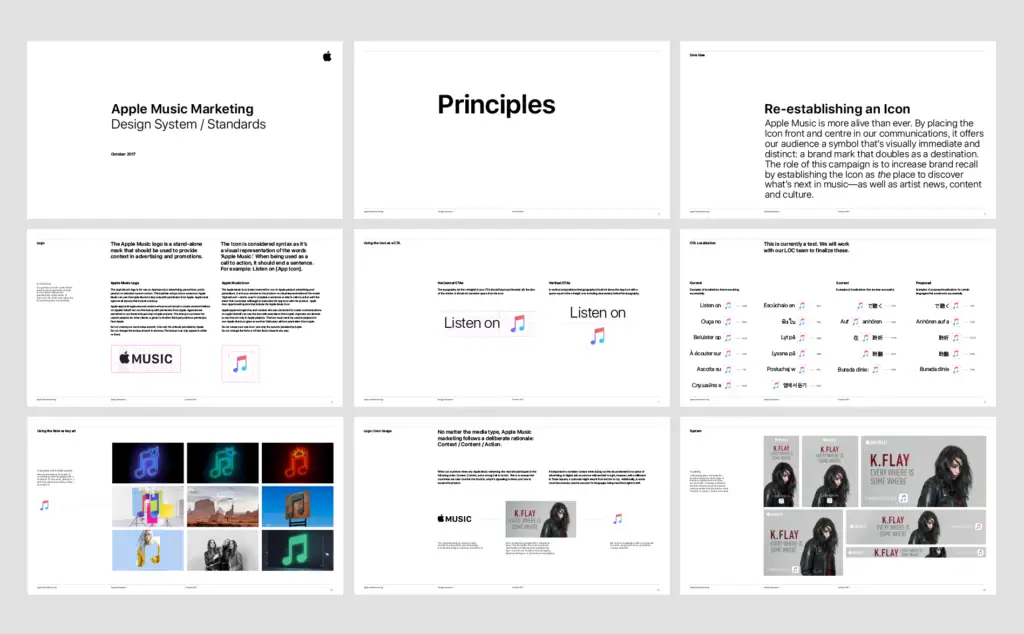
This stage’s most important deliverable is the Brand Style Guide (or Brand Book). This document is the instruction manual for your brand.
It clearly explains how to use the logo, the colours, the fonts, and the tone of voice. It also shows what not to do—how not to stretch the logo, what colours not to use, etc.
If you don’t have one, you don’t have a brand; you have a collection of suggestions. If you’re ready to build a brand that works, you should request a quote and see how a professional process makes the difference.
Running Example: Oak & Anvil’s Launch
Oak & Anvil applies its identity everywhere. The website uses the defined fonts and photography style. The product packaging is a sturdy cardboard box stamped with the logo, wrapped in kraft paper. The thank you card inside uses the brand’s “honest and rugged” tone. Their first Instagram posts are not just product shots, but behind-the-scenes images of the workshop, reinforcing the “handcrafted” part of their strategy.
The Real-World Example: Dollar Shave Club’s Voice
The launch video for Dollar Shave Club is a masterclass in implementation. The script, the deadpan delivery, the visuals—every second of it perfectly executed their irreverent, no-BS brand voice defined in their strategy. They didn’t just design a logo; they launched a fully-formed personality.
Stage 5: Management & Evolution – Protecting and Growing Your Asset
Branding is not a “set it and forget it” project. Launching the brand is the starting line, not the finish line.
The Goal: Maintain Consistency and Relevance
The objective now is twofold: protect the consistency of the brand you just built, and ensure it remains relevant as your business and the market evolve.
Key Activities: The Long Game
This is about stewardship.
- Be the “Brand Police”: Someone in the organisation must be responsible for ensuring the brand guidelines are followed by everyone, from the marketing intern to the CEO.
- Conduct Brand Audits: Once a year, review all your brand touchpoints. Is everything still consistent? Is the message still resonating?
- Gather Customer Feedback: Listen to what your customers are saying. Their perception is your brand’s reality.
- Plan for Evolution: Strong brands don’t change their core strategy but evolve their identity over time to avoid looking dated. This should be a careful, incremental process, not a radical whim.
The Output: Enduring Brand Equity
The result of good brand management isn’t a physical document. It’s brand equity—the intangible value your brand holds in the minds of your customers. It’s why people choose you over a cheaper alternative. Trust, loyalty, and recognition are built over years of consistent delivery.
Running Example: Oak & Anvil a Year Later
A year post-launch, Oak & Anvil onboards a new marketing employee. The first thing they do is give them the brand guidelines to read. They review customer emails and notice people are asking more about their sustainable sourcing, so they tweak their website copy to highlight it more—an evolution based on feedback, not a change in strategy.
The Common Mistake: The Guideline Graveyard
This is the most tragic mistake. A company spends thousands on a brilliant strategy and beautiful identity, receives a comprehensive 100-page brand book… and saves it to a server where it’s never seen again. Within six months, the marketing team uses the wrong fonts, the sales team has a distorted logo in their presentations, and the brand’s voice is all over the place. The brand guidelines must be a living document that is used daily.
The Gold Standard: Apple’s Meticulous Control
Look at Apple. For over 40 years, through different leaders, products, and markets, their brand has remained ruthlessly consistent in its core principles of simplicity and innovation. They are the ultimate example of long-term brand stewardship. That doesn’t happen by accident.
Your Brand is Your Business, Not Just Your Logo
The branding process is work. It requires thinking, research, and discipline.
But it’s the foundational work that separates fleeting businesses from enduring brands. Following these five stages turns your brand from a superficial coat of paint into the structural framework of your entire business.
Skipping stages to the “fun part” isn’t a shortcut. It’s a guaranteed detour to mediocrity.
Frequently Asked Questions about the Branding Process
How long does the entire branding process take?
For a small to medium-sized business, a comprehensive process from discovery to launch typically takes 3 to 6 months. Rushing it is a false economy that leads to poor results.
Can I do the branding process myself?
You can attempt the initial research and strategy stages yourself, but professional execution of the identity design and implementation requires specialised design and strategic skills. A DIY approach often looks unprofessional and fails to connect with audiences.
What’s the difference between branding and marketing?
Branding is who you are—your core identity, values, and strategy. Marketing is how you tell people about the campaigns, ads, and promotions you run. You need a solid brand before you can market it effectively.
How much does professional branding cost?
Costs vary wildly. A simple logo from a freelancer might be a few hundred pounds, while an agency’s branding process can range from £5,000 to £50,000+, depending on the scope and complexity.
What is a “brand touchpoint”?
A brand touchpoint is any interaction a customer or potential customer has with your brand. This includes your website, social media, packaging, customer service emails, physical store, and advertisements.
Why is brand consistency so important?
Consistency builds recognition and trust. When your brand looks and sounds the same everywhere, customers learn to recognise you and feel you are reliable and professional.
When should a business consider a rebrand?
A business should consider a rebrand if its current brand no longer reflects its strategy, if it’s targeting a new audience, if its reputation is damaged, or if the identity looks outdated and unprofessional.
What are brand archetypes?
Brand archetypes are 12 universal personality types based on Jungian psychology (e.g., The Hero, The Sage, The Jester). They provide a valuable framework for defining a brand’s personality in a way that resonates with fundamental human motivations.
What is the most critical stage of the branding process?
Stage 1: Discovery & Research. Every other stage is built upon this foundation. A flawed discovery phase guarantees a flawed brand.
Is a tagline the same as a value proposition?
No. A value proposition is an internal strategic statement about the value you deliver. A tagline is an external, catchy marketing slogan communicating a key brand idea (e.g., Nike’s “Just Do It.”).
Ready to Build a Brand, Not Just a Logo?
The process is straightforward, but execution is everything. If you’re an entrepreneur serious about building a valuable asset, you understand that shortcuts lead nowhere. A disciplined, strategy-led process is the only way to create a brand that connects, persuades, and endures.
We don’t just design logos. We guide businesses through this entire process. Explore our branding services to see the work or visit our blog at https://inkbotdesign.com/ for no-nonsense advice.