Branding for Startups: Innovate, Differentiate, Dominate
You’re a startup. You’re hungry. You’re ready to change the world.
But here’s the cold, hard truth: No one cares about your product.
Yet.
Branding isn’t just some fancy logo or a catchy slogan. It’s your battle cry in a crowded marketplace. It’s how you turn indifference into obsession.
It’s the difference between being forgotten and becoming unforgettable.
In the next few minutes, I will show you how to craft a brand that doesn’t just speak to your audience – it screams at them. A brand that doesn’t just stand out – it stands alone. A brand that doesn’t just compete – it dominates.
This isn’t about playing nice. This is about winning. Because in the startup world, second place is just the first loser. So buckle up. It’s time to innovate, differentiate, and dominate
- Branding is essential for startups to turn indifference into obsession, differentiating them in a crowded market.
- A compelling Unique Value Proposition (UVP) and authentic storytelling can effectively connect brands with their target audiences.
- Consistent messaging and emotional connections foster customer loyalty, enhancing long-term brand equity and competitive advantage.
Understanding Brand Identity: More Than Just a Logo
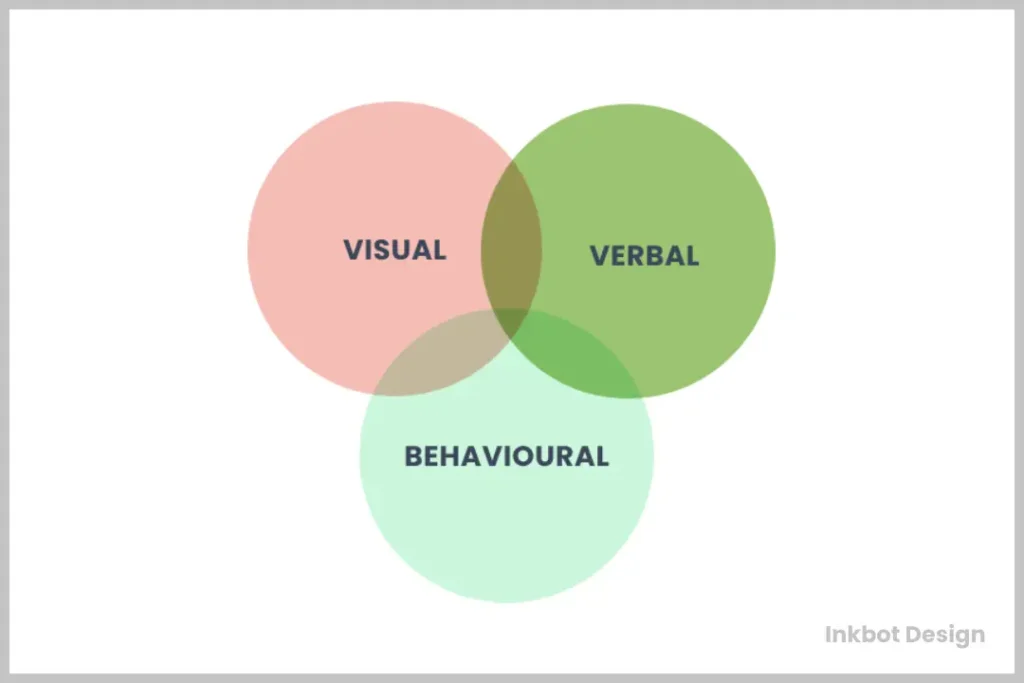
Picture this: you walk into a cafe, and immediately, the aroma of freshly brewed coffee, the rustic decor, and the friendly barista whisking away at the counter transport you. That’s brand identity in action. It’s not just about visuals; it’s about experiences and emotions.
Each brand should strive to establish a clear identity that resonates with its target audience. Here are some components to consider:
- Core Values: What does your business stand for? Are you all about sustainability, innovation, or customer happiness?
- Mission Statement: Why does your company exist? This could be as simple as “Make the world’s best cup of coffee” or as complex as “Revolutionise transportation for urban areas.”
- Personality: Is your brand quirky and fun or serious and professional? Your tone and voice should be consistent across all platforms.
For instance, consider your brand identity if you’re launching a fashion startup. Could it be an eco-friendly vibe? It may target the chic urbanite or the laid-back beach lover.
Defining Your Unique Value Proposition
Next up is your Unique Value Proposition (UVP). Think of your UVP as the secret sauce that distinguishes you from your competitors.
Ask yourself:
- What problems does your product solve?
- Why should consumers choose you over others?
Here’s a quick exercise. Jot down your competitors and analyse their offerings. What sets you apart?
For example, if your startup focuses on meal prep delivery, does your UVP lie in locally sourced ingredients, flexibility in diet plans, or perhaps an emphasis on reducing food waste? Find that golden nugget.
A compelling UVP often combines these elements:
- Specific features of your offering
- Benefits that matter to your audience
- Emotional or experiential elements that create a connection
Crafting a Compelling Brand Story
Now, onto brand storytelling. This is where the magic happens; let me tell you, it’s a game-changer.
You want your audience to connect with you on a personal level. That’s why a relatable narrative can drive consumer loyalty. Consider this—people don’t just buy products; they buy stories.
When I launched Inkbot Design, I shared tales of the struggles and triumphs. Those stories didn’t just resonate; they built trust.
Here’s how to craft your brand story:
- Identify a Central Theme: What’s the underlying message? Are you challenging the status quo or celebrating innovation?
- Share Challenges: Don’t be afraid to talk about setbacks. Authenticity often leads to deeper connections with customers who relate to those struggles.
- Create a Vision: Paint a picture of where you want to go. Inspire others to join your journey.
Remember, storytelling is about authenticity. Your audience craves real connections, so make sure your story genuinely reflects who you are as a brand.
Visual and Verbal Brand Elements That Resonate
Finally, let’s get into those visual and verbal elements. In everyday communications, you’ll use these tools to convey your brand identity, UVP, and story.
Visuals include:
- Logo: A well-designed logo conveys professionalism and helps instil brand recognition. Please keep it simple but meaningful.
- Colour Palette: Different colours trigger various emotions. Reds might signify boldness, while blues might evoke trust.
- Typography: Your font choices should reflect your brand’s personality. Is it playful or sophisticated?
On the verbal side, think about:
- Taglines: A catchy tagline can encapsulate your UVP and create lasting impressions.
- The tone of Voice: Is your language casual, formal, playful, or serious? Consistency is key, so stick to one tone.
- Key Messages: Create short phrases encompassing your brand’s mission or product benefits.
Visual and verbal brand elements must resonate with your audience to be effective. Regularly assess and tweak them based on feedback and trends.
So, what next? Use these strategies to lay a solid foundation for your branding efforts. Remember, in the noisy world of early-stage companies, standing out starts with a strong brand identity. You don’t just want to fish in the pond but be the biggest, flashiest fish there. 🌊🎣
In the next section, we’ll explore strategic branding approaches that can drive your startup to success. Stay tuned!
Strategic Branding for Startups

Now that you have a solid understanding of brand identity, unique value propositions, and storytelling, it’s time to dive into some strategic branding approaches to help your startup survive and thrive. Every startup wants to grab its audience’s attention and convert it into loyalty, right? Well, let’s break it down step-by-step.
Identifying Your Target Audience
Let’s begin with the cornerstone of effective branding: knowing your target audience. Without this insight, you might as well be throwing darts blindfolded—lucky if you hit anything at all.
The first thing you need to do is research. Get to know who you’re writing for. This isn’t just about demographic data like age or location; it’s about understanding their interests, pain points, and what makes them tick.
Here’s a simple framework to get you started:
- Demographics: Identify age, gender, income level, education, etc.
- Psychographics: What are their values? Hobbies? Lifestyle choices?
- Pain Points: What problems do they have that your product can solve?
For instance, I was once part of a startup focusing on sustainable packaging. Initially, we thought our audience was just environmentally-conscious consumers. But once we dug deeper, we found niche segments—from eco-minded parents to small businesses looking to improve their green credentials. This insight shaped our marketing approach and messaging.
Got a few personas in mind? Great! Now, tailor your messaging and branding specifically to resonate with these groups.
Developing a Consistent Brand Voice
Now that you know who you’re talking to, it’s time for the voice that will echo your brand message. Your brand voice should be consistent across all communication channels—your website, social media posts, or newsletters.
Why is this essential? Consistency builds familiarity and trust with your audience. If your brand voice is everywhere, you risk confusing potential customers and diluting your message.
Here’s how to nail it:
- Define Your Tone: Decide if your voice should be friendly, approachable, authoritative and professional. Pick one and stick to it.
- Create a Style Guide: Document your brand voice guidelines. Include dos and don’ts to smooth out the process for anyone who creates content or communicates with your audience.
- Use Real Examples: Showcase “good” vs “bad” examples of brand messaging to provide clarity.
For example, a casual, witty tone might resonate better than stiff corporate jargon if you’re a tech startup targeting millennials. Compare a sentence like:
“Discover innovative solutions for your business,” versus “We make your business life easier. Let’s get started today!”
Which one feels warmer? Exactly.
Leveraging Emotional Connection in Brand Messaging
Last but not least— let’s talk about the power of emotional connections in your brand messaging. Humans are emotive beings; that’s just how it is. You might have the best product on the market, but customers may not stick around if you can’t connect on a deeper level.
Think of your messaging as a bridge. You want to create an emotional pathway between your brand and your audience.
Here’s how to leverage that connection:
- Tell Relatable Stories: As mentioned earlier, share stories that reflect your audience’s experiences. Emotional anecdotes tug at heartstrings and keep your brand memorable.
- Use Visual Elements: Images and videos evoke feelings too. A picture of a happy family using your eco-friendly product? That can speak volumes.
- Create a Sense of Belonging: Let your audience know they’re part of something bigger. This is why brands that champion social causes often do well. Customers want to align themselves with brands that have values they believe in.
Take Nike, for instance. Their campaigns often highlight stories of perseverance and triumph. Do you think someone will forget the “Just Do It” slogan anytime soon? Not a chance!
By leveraging emotions, you’re not just selling a product; you’re selling an experience—which is worth its weight in gold.
Bringing It All Together
So there you go! By focusing on these three strategic branding approaches—identifying your target audience, developing a consistent brand voice, and leveraging emotional connection—your startup can create a powerful, resonant brand that attracts and retains customers.
Next, we’ll dive into practical branding strategies tailored for limited budgets—because, let’s be real, every penny counts when you’re starting. So buckle up, and let’s get into it! 💪✨
Practical Branding Strategies for Limited Budgets

You’ve identified your audience, developed a consistent voice, and understood the importance of emotional connections. But here’s the kicker—how do you make all this work on a tight budget? In today’s digital age, you don’t need a fortune; you need innovative strategies. Let’s roll up our sleeves and get into practical branding techniques that are budget-friendly yet effective.
Cost-Effective Branding Techniques
First things first—let’s talk about some cost-effective branding techniques. You don’t have to break the bank to create a memorable brand. Some of the best strategies come at a low cost or, even better, no fee!
Here’s a list to help you get started:
- DIY Design: Countless tools like Canva or Adobe Spark allow you to create stunning graphics without fancy software skills. Seriously, you can whip up professional-looking designs for everything from social media posts to flyers.
- User-Generated Content: Encourage your customers to create content featuring your products. This not only saves you money but also fosters a sense of community. Incentives like giveaways can motivate participation!
- Leverage Free Publicity: Reach out to local bloggers or influencers for collaborations. Often, they’re looking for fresh content, too. A little shout-out could go a long way.
- Focus on Organic Growth: Instead of pouring cash into ads, create valuable content that attracts your audience. Think of helpful blog posts, insightful videos, or engaging social media content.
I remember launching Inkbot Design on a shoestring budget and focusing on user-generated content. Our early customers shared their experiences online, which drove significant organic growth and laid the groundwork for our brand.
Digital Platforms for Brand Building
Next on our journey is understanding the various digital platforms available for brand building. Maybe you can’t afford a billboard, but with the internet, the world is your oyster!
Here are some effective platforms to consider:
- Website: Start with a simple, user-friendly website. Use platforms like WordPress or Wix, which offer low-cost hosting and easy design options. Your website is your storefront—make sure it tells your brand story.
- Email Marketing: Never underestimate the power of email. Services like Mailchimp offer free plans for small audiences. Send newsletters showcasing your offerings, customer testimonials, and value content. You’ll nurture leads at practically no cost.
- Freemium Tools: Take advantage of tools like Grammarly for writing, Hootsuite for social media scheduling, or Buffer for analytics. Many offer free tiers that can bring excellent value.
Digital is where the action is. But remember, it’s all about consistency across these platforms.
Leveraging Social Media and Content Marketing
Now, let’s dive into the dynamic worlds of social media and content marketing. These channels are perfect for startups with limited budgets because they offer assertive outreach at little to no cost.
Here’s how to make the most of them:
- Choose the Right Platforms: Not every platform is right for every business. Research where your target audience hangs out—Instagram, X, or LinkedIn—and focus your efforts there.
- Engage and Interact: It’s not enough to post and ghost! Actively engage with your audience. Respond to comments, ask for feedback, and run polls to involve them in your brand journey.
- Create Quality Content: Value-driven content is king. Write blogs, create how-to guides, or share behind-the-scenes videos to connect with your audience. People appreciate authenticity, and it’ll establish you as an industry thought leader.
- Scheduling Tools: Never miss a beat! Tools like Buffer can help you schedule posts in advance to maintain an effective online presence without daily hassle.
Relatable content can pique interest. One simple post with a humorous twist or an educational infographic can spread like wildfire, drawing in new and repeat customers alike.
The ROI of Strong Branding
Now, let’s chat about the return on investment (ROI) of strong branding. You might wonder—does all this effort pay off? Spoiler alert: yes, it does!
Here’s why solid branding is worth every penny (even when that penny is scarce):
- Increased Recognition: A strong brand becomes instantly recognisable. Whether it’s a logo or a brand message, consistency makes you memorable and encourages customers to return.
- Customer Loyalty: People love brands they trust. A strong brand identity and connection lead to repeat customers—often willing to pay more for the style and quality they trust.
- More Referral Business: Satisfied customers become brand advocates. When they feel connected to your brand, they’re more likely to recommend you to friends, and we all know word-of-mouth is the best form of advertising.
Studies suggest that brand loyalty can lead to 5–25% of customers being willing to pay more for a brand they love. Now, that’s the type of ROI we can all get behind!
What’s the takeaway here? You don’t need a massive budget to establish a memorable brand. With cost-effective techniques, strategic use of digital platforms, and a savvy social media presence, your startup can carve out its niche—and do it well!
Next, we’ll explore how effective branding can drive customer acquisition, making all your efforts worthwhile. Ready for the next chapter? Let’s keep the momentum going! 🚀✨
How Effective Branding Drives Customer Acquisition

Now that we’ve discussed practical branding strategies on a budget, it’s time to dive into a significant aspect of branding that can lead to real growth—customer acquisition. You might be wondering how effective branding plays a role in attracting and retaining customers. Stick around as we explore how strong branding builds trust and credibility and ultimately contributes to long-term brand equity.
Building Trust and Credibility
Let’s face it—trust is everything in business. If customers don’t trust you, you’re just another name on a long list of competitors. This is where effective branding comes into play. A well-crafted brand doesn’t just present a product; it communicates your values and reassures customers that they are making the right choice.
Here’s how branding builds trust:
- Consistency: A consistent brand message across all channels reinforces your reliability. Everything should feel cohesive, from your website design to social media posts. A friendly note on your Instagram is great, but if your website screams corporate jargon, you’ll confuse your audience. Be yourself everywhere!
- Quality Presentation: Have you ever heard the saying, “You can’t judge a book by its cover”? Well, people do it all the time when it comes to brands. An eye-catching logo, professional design, and high-quality content make a strong first impression, which can influence purchase decisions immediately.
- Testimonials and Reviews: Customers love to see what others think about your brand. Share testimonials prominently on your website, post customer reviews on social media, and showcase user-generated content. This creates a community around your brand and resonates with potential customers.
I remember launching Inkbot Design and showcasing our past clients’ testimonials prominently on the homepage. Within a couple of months, curious leads turned into conversions simply by seeing the positive experiences shared by others!
- Transparency: Today’s consumers crave authenticity. Share your brand’s mission, its story, and the challenges you’ve overcome. Honesty and openness in your branding can create a connection that draws customers in.
- Social Proof: Humans often look to others for validation as social creatures. Partnering with influencers or securing endorsements from respected figures in your industry can boost your credibility. For instance, the impact can be enormous if a well-known entrepreneur shares a positive experience with your product.
By fostering these elements, businesses can build a trustworthy image, encouraging customers to take the leap and try your offerings. When people trust you, they’re more likely to choose you over the competition—even if your prices are slightly higher!
Long-Term Brand Equity and Valuation
Next, let’s delve into long-term brand equity and how it affects your overall valuation. Brand equity is the value added to your product or service based on your brand’s reputation. You cannot measure it overnight—it’s built over time through consistent branding and positive customer experiences.
Here’s what long-term brand equity looks like:
- Brand Loyalty: Strong branding fosters loyalty. Happy customers are more likely to return, but they’ll also talk about you! A loyal customer is worth more over time than a one-time buyer.
- Competitive Advantage: If your brand is solidified and your audience is loyal, you can easily withstand market fluctuations and competition. Branding creates a barrier for competitors—when customers associate quality with your name, they’ll be less swayed by a lower-priced option.
- Increased Valuation: Investors are drawn to companies with strong brands. If your brand has built equity in the market, it can significantly increase the overall valuation of your business. Franchise operations and brand expansions become more feasible with a trusted name on the line.
- More straightforward Introductions of New Products: A well-regarded brand makes it easier to introduce new offerings. If consumers trust you, they will likely try another product under the same umbrella. Think about how Apple seamlessly launches new devices or services—customers are eager to trust it based purely on the brand’s credibility!
I often relate this to my entrepreneurial journey. After laying a solid foundation with Inkbot Design, we expanded into related services. And guess what? Our existing customers were eager to explore those new offerings simply because they trusted our brand!
- Positive Reputation: Finally, long-term brands can enjoy the fruits of a positive reputation. Being known as a go-to solution in your industry will yield recommendations, referrals, and, naturally, more leads.
Effective branding is your ticket to stand out in a world overflowing with options. It builds trust, nurtures relationships, and results in long-term brand equity that significantly elevates your business’s value.
Typical Branding Mistakes Startups Should Avoid

So, here’s the deal: after establishing your foundation in effective branding, it’s crucial to clear the common pitfalls that could derail your startup’s success. While every brand makes mistakes, some can be disastrous for new businesses. Let’s dig into the common branding mistakes startups often make and how you can avoid them.
Inconsistent Messaging
Let’s start with inconsistent messaging. Imagine walking into a restaurant where the menu changes every time you visit. One day, they offer sushi and the next, they promote classic Italian dishes. Confusing, right? The same principle applies to your brand. If your messaging varies across platforms—your website, social media, or email—you risk losing your audience’s trust.
Here’s why consistency matters:
- Brand Recognition: Consistent messaging helps your audience recognise your brand quickly. Use the same tone, style, and visuals across all channels. Whether you’re crafting a tweet or designing a brochure, ensure they feel like part of the same family.
- Trust Building: If messaging varies, it raises red flags. A customer might wonder, “Which version of this brand is the real deal?” This doubt can lead to a lack of trust and, ultimately, lost sales.
- Clear Value Proposition: Your audience needs to understand what you offer immediately. Potential customers may overlook or misunderstand your core offerings if your messaging is unclear or inconsistent.
When I first launched Inkbot Design, we faced a hiccup with our messaging. Different team members crafted social media posts using various tones—some were lighthearted, while others seemed overly formal. Thankfully, we quickly realised we needed a unified voice. After establishing a clear messaging framework, everything fell into place, boosting our brand recognition and engagement.
So, before you post or communicate, ask yourself: “Does this reflect our brand’s voice?” If not, revise it.
Trying to Appeal to Everyone
Next, we have the common blunder of trying to appeal to everyone. The old “If you try to please everyone, you’ll end up pleasing no one” adage rings true in branding. Many startups feel pressured to cast a wide net to attract customers, but this approach can dilute your message.
Why should you avoid this mistake?
- Lack of Focus: If you try positioning your brand for every demographic, your message can be vague and unremarkable. Stand for something specific, or else your brand might get lost in the crowd.
- Competitive Disadvantage: Specialising offers a unique advantage. Brands that find their niche can develop a distinctive voice and better connect with their target audience. Think about how Coca-Cola focuses on happiness and positivity—a theme, not just a drink!
- Wasted Resources: Marketing can be expensive. By trying to target everyone, you spread yourself thin and waste money on unproductive campaigns. Focus your budget on honing in on your specific market segment for a higher return on investment.
In my experience, narrowing down what we offered at Inkbot Design was a game-changer. Initially, we dabbled in everything from logo design to web development. However, once we specialised in branding strategy, our messaging became sharper, and we attracted clients looking for exactly what we offered.
So, take a close look at your target audience. Find a niche where you can stand out and deliver tailored solutions.
Neglecting Brand Evolution
Finally, let’s tackle the mistake of neglecting brand evolution. Your brand is not a static entity; it’s a living, breathing thing. As trends change and customer preferences evolve, your brand must also adapt. Ignoring this reality can lead your brand to become outdated.
Here’s what to keep in mind:
- Stay Relevant: The marketplace is ever-changing. Research industry trends and evolve your brand accordingly. If you keep your brand unchanged for years, you risk losing touch with your audience’s desires.
- Listen to Feedback: Gather customer feedback and insights regularly. What do they love? What can be improved? Ignoring customer opinions can lead to stagnation. Proactive brands know the value of constructive criticism!
- Revamp When Needed: Don’t fear a rebrand if it’s necessary. Whether it’s refreshing your logo or updating your message, embrace change. Look at Starbucks—a simple coffee shop that has evolved into a global lifestyle brand.
At Inkbot Design, we learned the importance of brand evolution first-hand. After two years, we decided to refresh our logo and tweak our messaging to better align with our audience’s growing values of sustainability and innovation. This revitalisation attracted new customers and connected our existing clients to our brand evolution.
Your Brand, Your Competitive Advantage
As we wrap up our journey through the ins and outs of branding, let’s take a moment to reflect on one crucial takeaway: your brand is your competitive advantage. Building a strong, recognisable brand in today’s fast-paced marketplace can mean the difference between success and mediocrity.
It’s not just about what you sell but how you make your customers feel. A powerful brand resonates with your target audience, fostering loyalty and encouraging referrals that can significantly bolster your growth.
Let’s dive into the final steps on this branding odyssey—taking those crucial first steps and committing to continuous brand development.
Taking the First Steps in Strategic Branding
Starting with strategic branding may be daunting. After all, where do you even begin? Fear not! Here’s a roadmap to guide you through those early steps:
- Define Your Mission and Values: What’s your purpose? What principles drive your business? Craft a clear mission statement and outline your core values. These elements will become the foundation of your brand identity.
- Understand Your Audience: As we’ve discussed before, knowing your target audience is essential. Create customer personas that detail their demographics, behaviours, and preferences. This will help you tailor your messaging and product offerings effectively.
- Design Your Visual Identity: Start working on your logo, colour palette, and typography, reflecting your brand’s personality. Even if you don’t have a designer, tools like Canva can help you create a perfect, polished look.
- Craft Your Brand Messaging: Develop a consistent tone of voice and messaging strategy. Think about how you want to communicate with your audience across all platforms—from social media to email marketing.
- Begin Building an Online Presence: Choose the digital platforms that best suit your audience. Create an engaging website and set up social media profiles. Focus on creating value-driven content to draw in your audience immediately.
When I launched Inkbot Design, following these steps was transformative. By focusing on our mission to empower businesses through branding, we created cohesive messaging that resonated with our audience—resulting in genuine connections and real growth.
Getting started can be overwhelming, but remember: start small and iterate. Take concrete steps, but prioritise authenticity in your brand journey.
Continuous Brand Development and Adaptation
Now that you’ve laid the groundwork, developing and adapting your brand is essential. Branding is not a one-time event; it’s a lifelong commitment. Here’s why ongoing development is vital:
- Stay Relevant: The market is constantly changing, and consumer preferences evolve. Regularly reassess your brand strategy and make necessary adjustments. This ensures that you remain aligned with your audience’s values and needs.
- Monitor Your Brand’s Performance: Use analytics tools to understand how your branding efforts pay off. Pay attention to website traffic, social media engagement, and customer feedback. Are your messages resonating? If not, pivot your approach.
- Embrace Innovation: Don’t be afraid to explore new trends or technologies that could enhance your brand. From incorporating augmented reality into marketing strategies to embracing sustainability practices—innovate when possible to keep your brand fresh and forward-thinking.
- Solicit Feedback: Regularly engage with your audience and ask for their feedback. Use surveys, polls, or focus groups to gather insights on what they feel your brand is doing well and what could be improved. This connection can guide your evolution as a brand.
- Revisit Your Brand Vision: Now and then, take a step back to reflect on your initial mission. Are you still aligned with your core values? Adapting doesn’t mean losing your essence; it simply means evolving to drive progress.
During my time building Inkbot Design, we faced several turning points where brand adaptation was crucial. As market demands shifted toward digital branding and sustainability, we recalibrated our offerings to remain relevant. Client feedback played a significant role in this evolution—our willingness to adapt helped us grow and serve our customers better.
In Summary
Effective branding isn’t just about standing out; it’s about connecting with your audience. By taking those first steps in strategic branding and committing to continuous development, you’ll establish a brand that attracts and retains customers.
Ultimately, your brand can be your most significant competitive advantage—if you nurture it thoughtfully and adapt wisely. So, what’s stopping you? Start today, and watch your brand grow into something meaningful and powerful.
Let’s get out there and transform your brand into the success story you’ve envisioned! 🌟🚀